
T H E D E S I G N E D I T
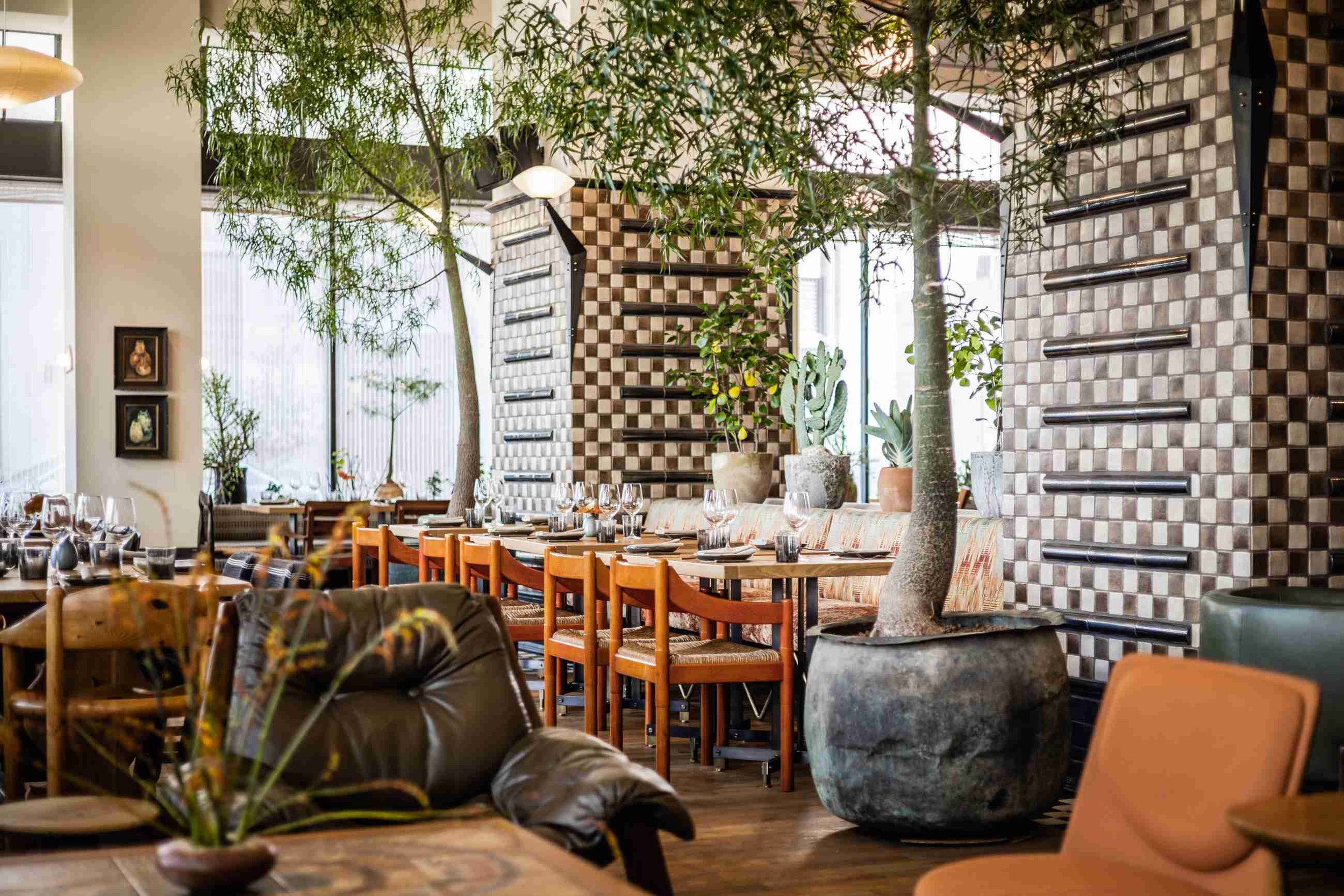
What Makes Spaces Feel Mentally Draining?
Your anxiety might not be your personality. It might be your environment.
Before you buy another supplement, planner, or meditation app, take a look around. Your space could be contributing more to your stress than you realize.
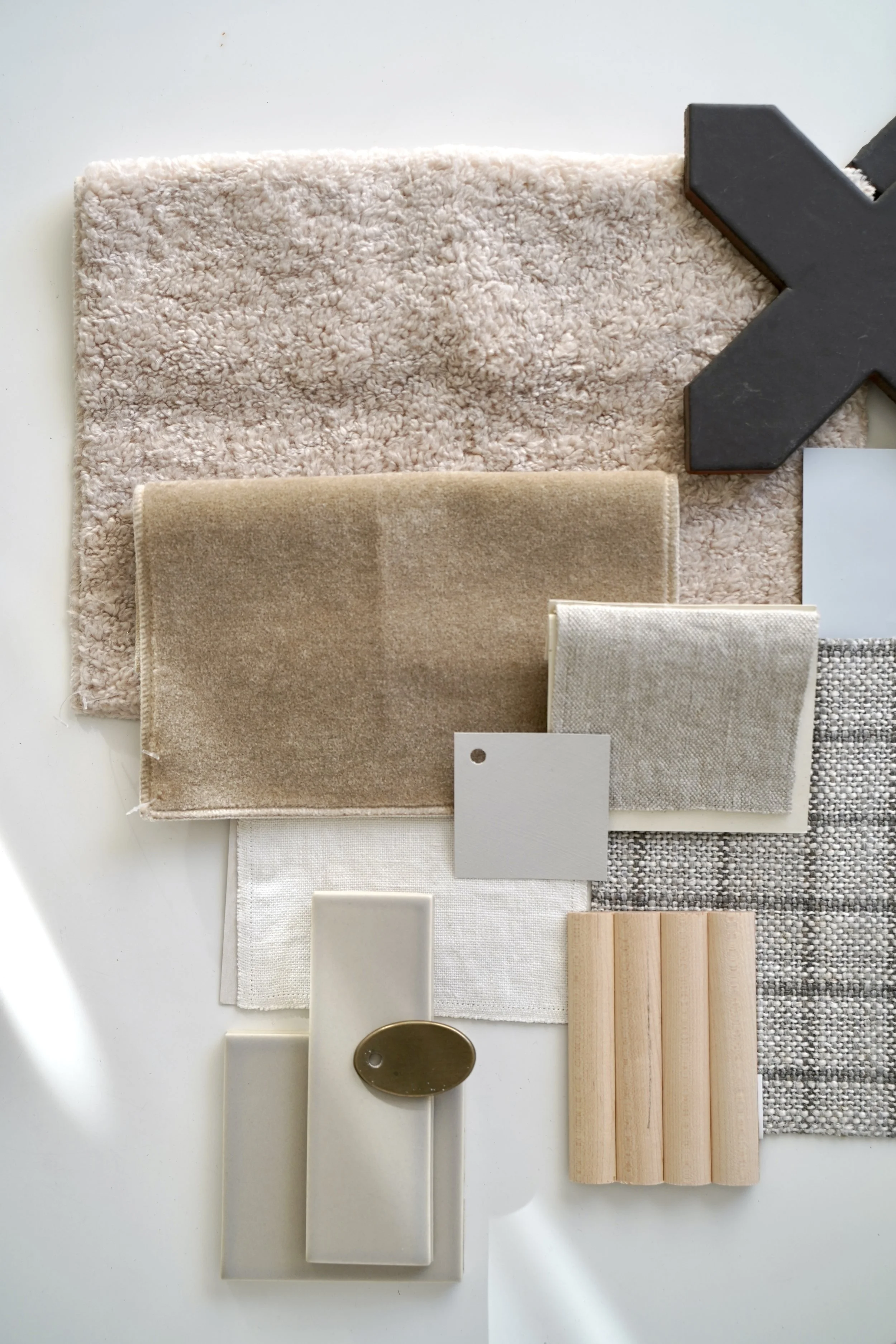
What a Full-Service Interior Design Process Actually Looks Like
“Full-service interior design” is one of those phrases people nod along to without fully knowing what it means. It sounds comprehensive, maybe expensive, and slightly mysterious. Helpful, probably. But also vague.
Does it mean someone helps choose finishes? Does furniture count? Who is actually managing the moving parts, and at what point are you supposed to stop making decisions?
Most people don’t ask these questions out loud. They just hope it will all somehow come together.
This is where full-service design actually begins.
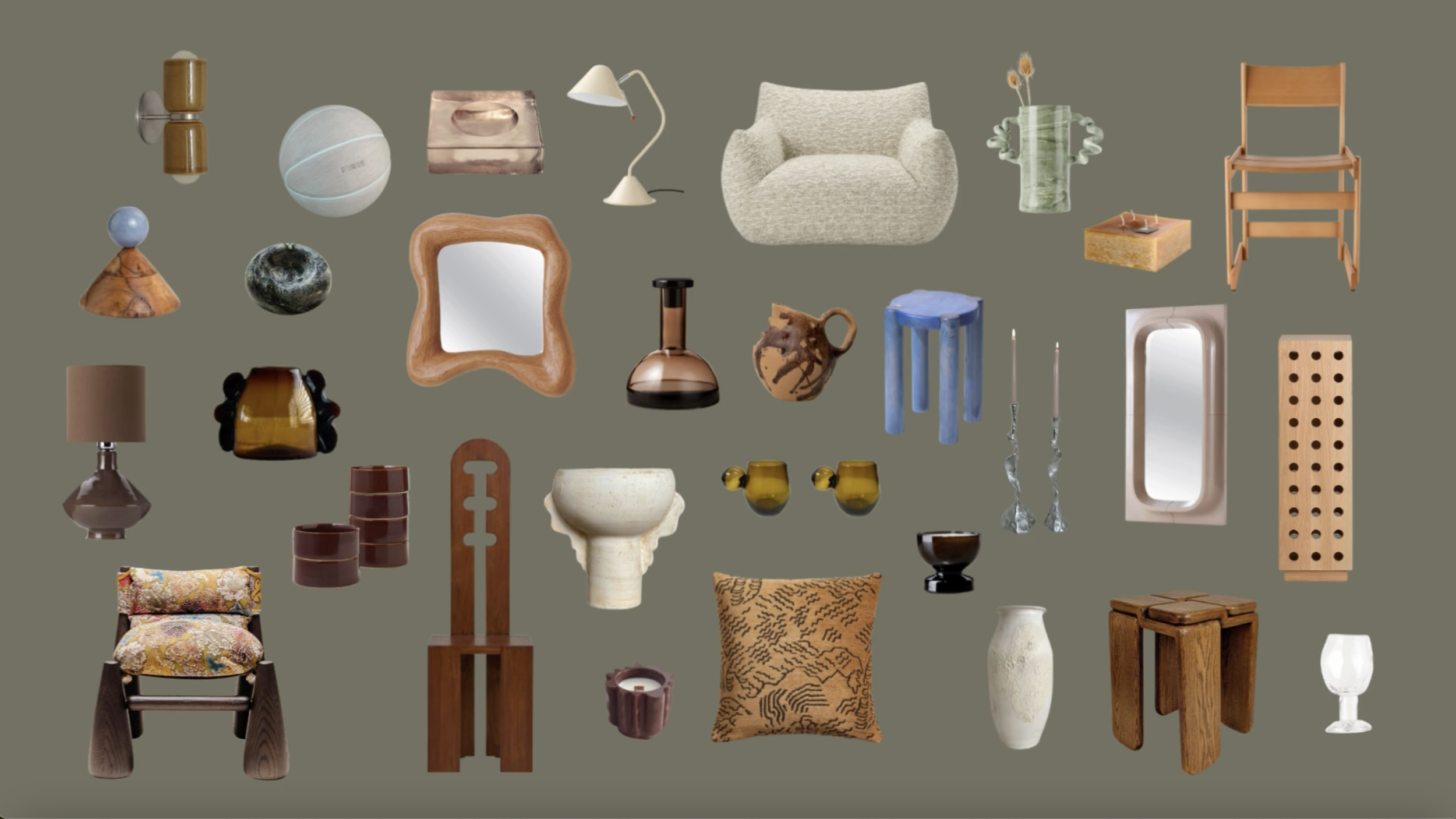
Collected: A Few Of Our Favorite Things
These are the pieces that make a space feel considered without feeling overdone. Some are practical, some are purely visual, and a few sit comfortably in between. Together, they reflect the forms, finishes, and details we’re drawn to right now.
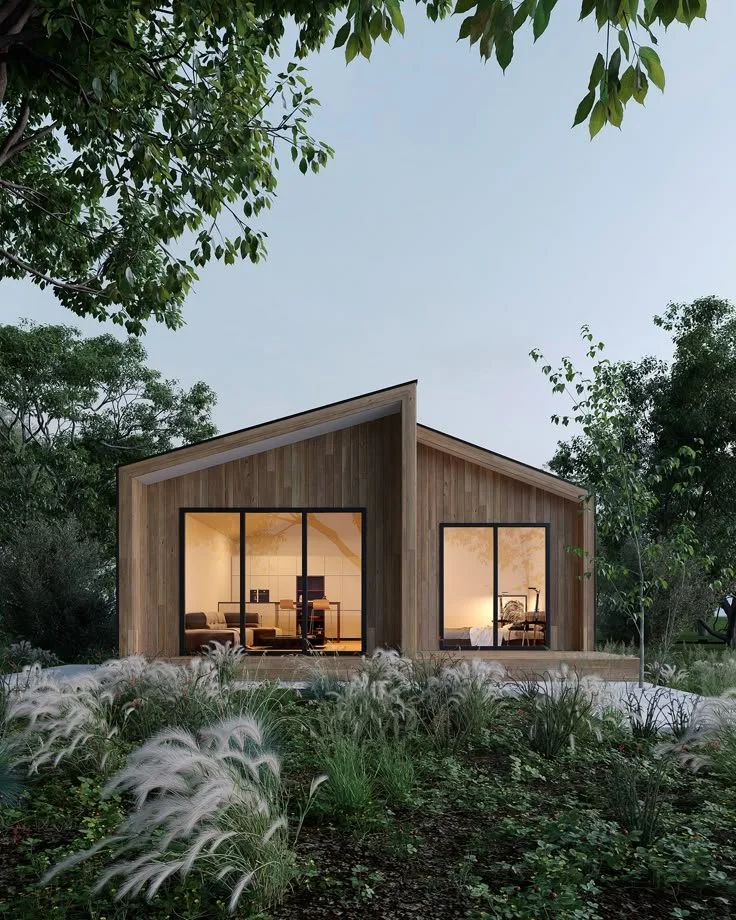
Rethinking the Backyard: The ADU Takeover
First it was the kitchen. Then the home office. Now? It’s the backyard.
What used to be a patch of grass and a half-forgotten hose is suddenly prime real estate. And not because you added a new planter box. We’re talking walls, windows, plumbing, and a sense of purpose.
ADUs, or Accessory Dwelling Units, if we’re being formal—are quickly becoming one of the smartest, most design-forward ways to add space without losing your sanity (or your zip code). When done right, they feel less like an add-on and more like a second home. Think guest suite, private rental, creative studio, or the escape-from-everyone office you didn’t know you needed.
This isn’t just a California thing. From Portland to Philly, homeowners are realizing that the most impactful square footage might be the space just outside the main house. And the ADU is taking the lead.
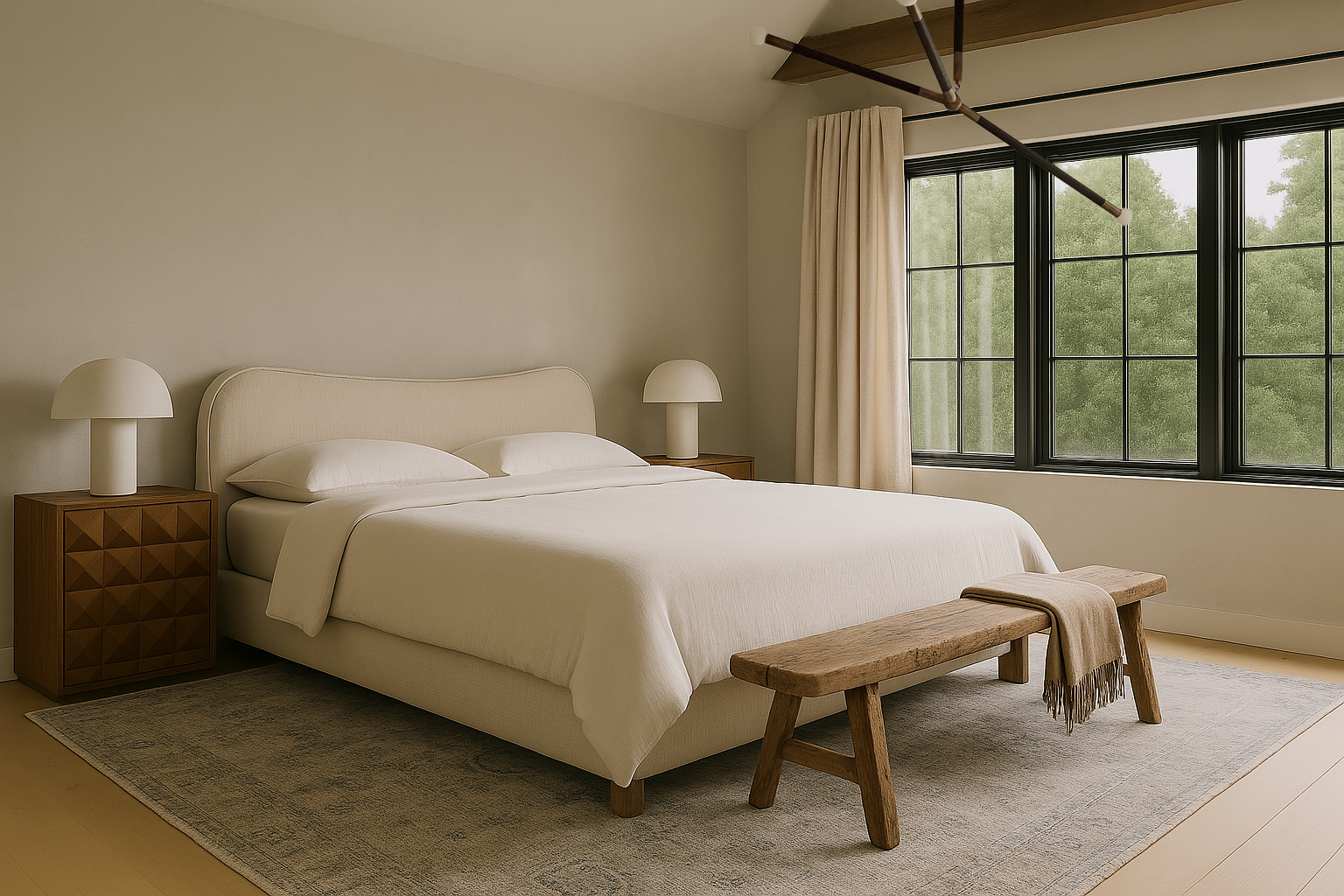
Quiet Luxury On The West Coast: A Guide to Timeless Interiors Without The Clichés
Quiet luxury isn’t new, but it’s having a moment. While much of the design world races to define it, West Coast interiors — especially in Southern California — have long embodied its core values. These homes favor tonal restraint, natural materials, and spaces that feel curated but not performative. This style is often misunderstood as stark minimalism or beige maximalism, but in practice, it’s more nuanced. It’s about balance — It’s not coastal cliché or desert minimalism.
Timeless West Coast design resists themes and matching sets. A sense of calm. A sense of clarity. A way of living that prioritizes proportion, material, and flow over decoration. If you’re designing a home or space meant to last and meant to feel, this is how to bring quiet luxury into a modern West Coast interior—without chasing trends or naming it out loud.