
Rethinking the Backyard: The ADU Takeover
First it was the kitchen. Then the home office. Now? It’s the backyard.
What used to be a patch of grass and a half-forgotten hose is suddenly prime real estate. And not because you added a new planter box. We’re talking walls, windows, plumbing, and a sense of purpose.
ADUs, or Accessory Dwelling Units, if we’re being formal—are quickly becoming one of the smartest, most design-forward ways to add space without losing your sanity (or your zip code). When done right, they feel less like an add-on and more like a second home. Think guest suite, private rental, creative studio, or the escape-from-everyone office you didn’t know you needed.
This isn’t just a California thing. From Portland to Philly, homeowners are realizing that the most impactful square footage might be the space just outside the main house. And the ADU is taking the lead.
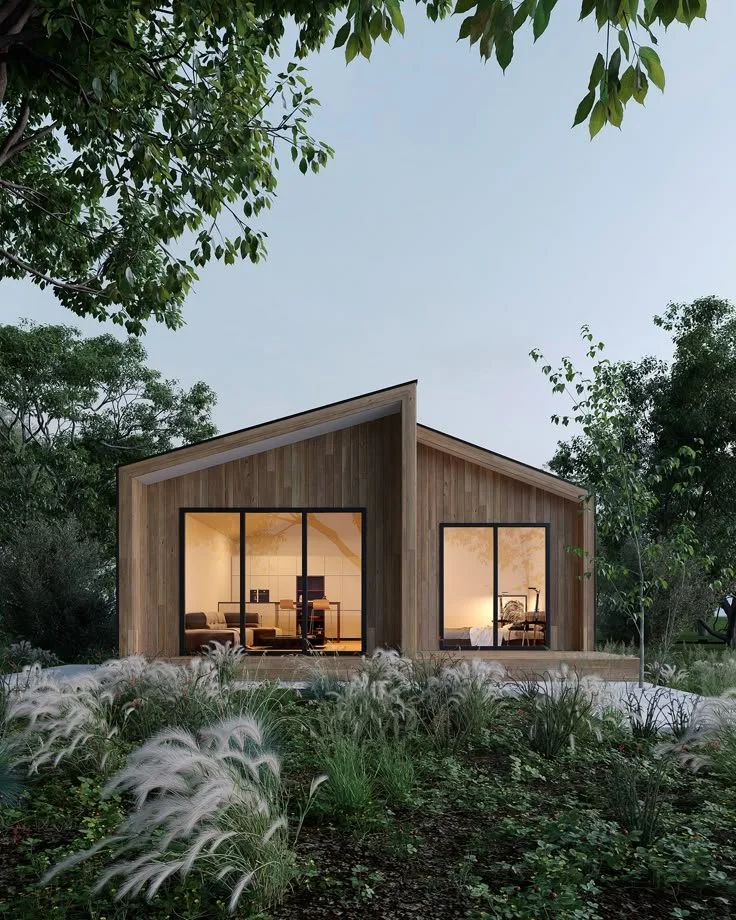
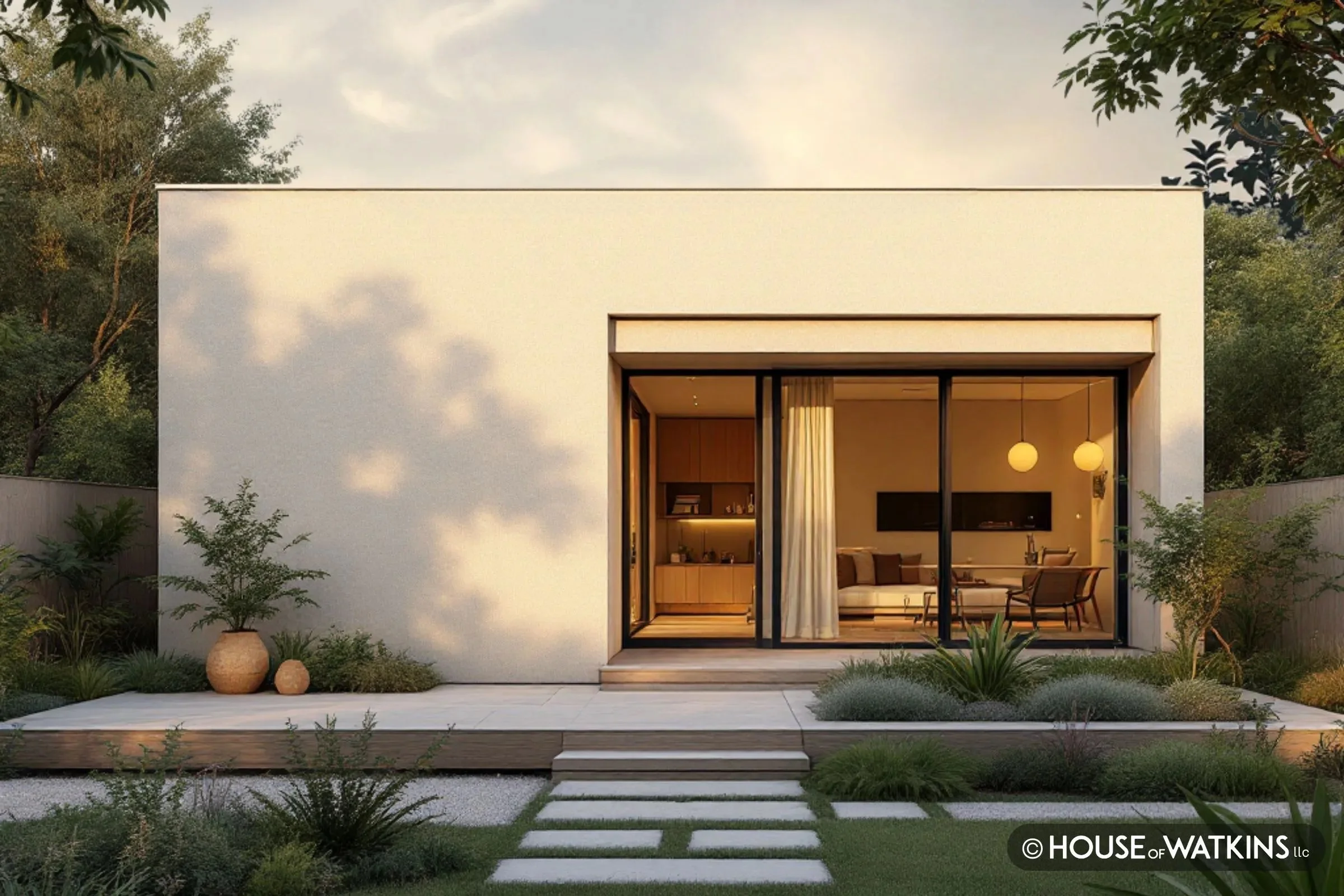
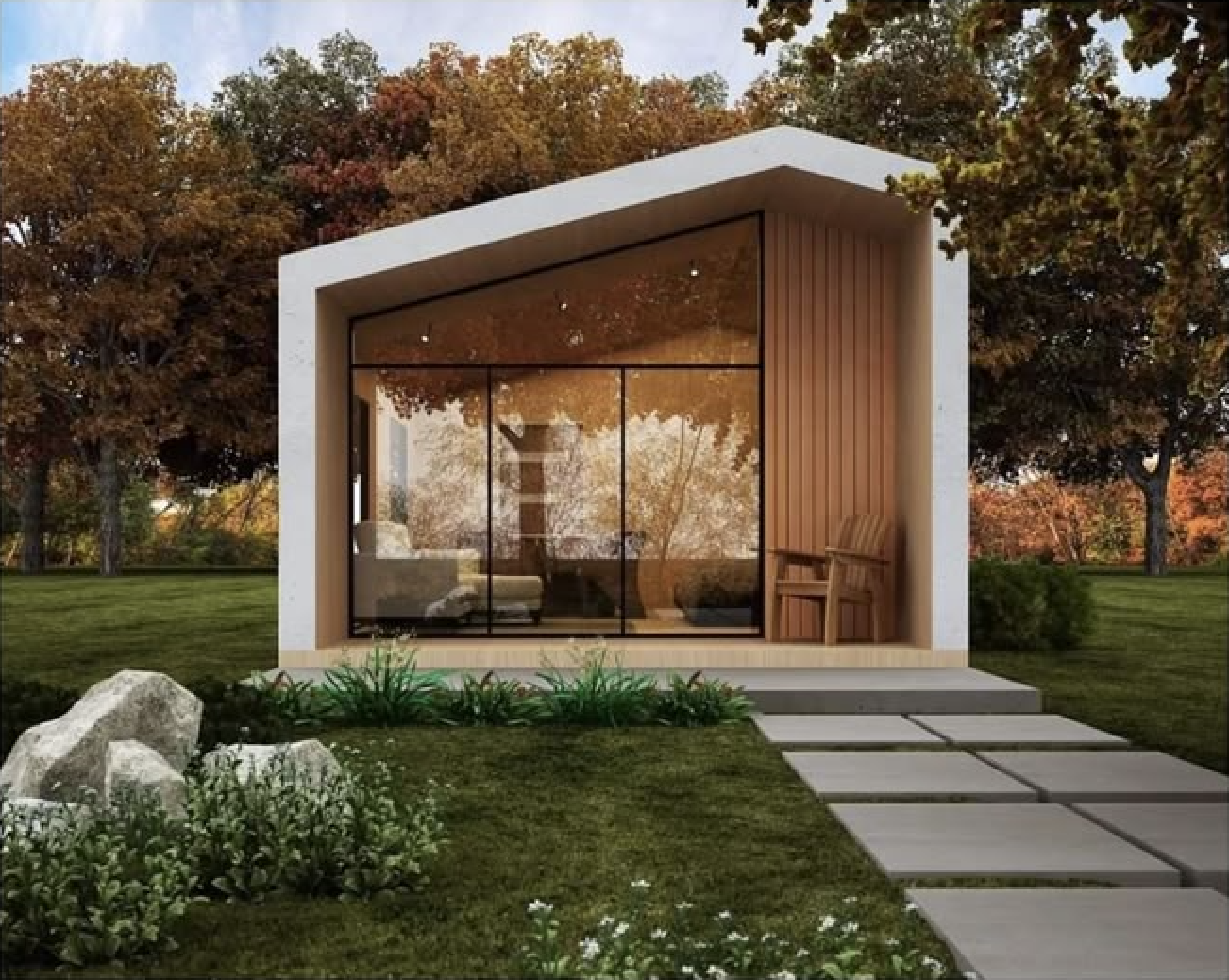
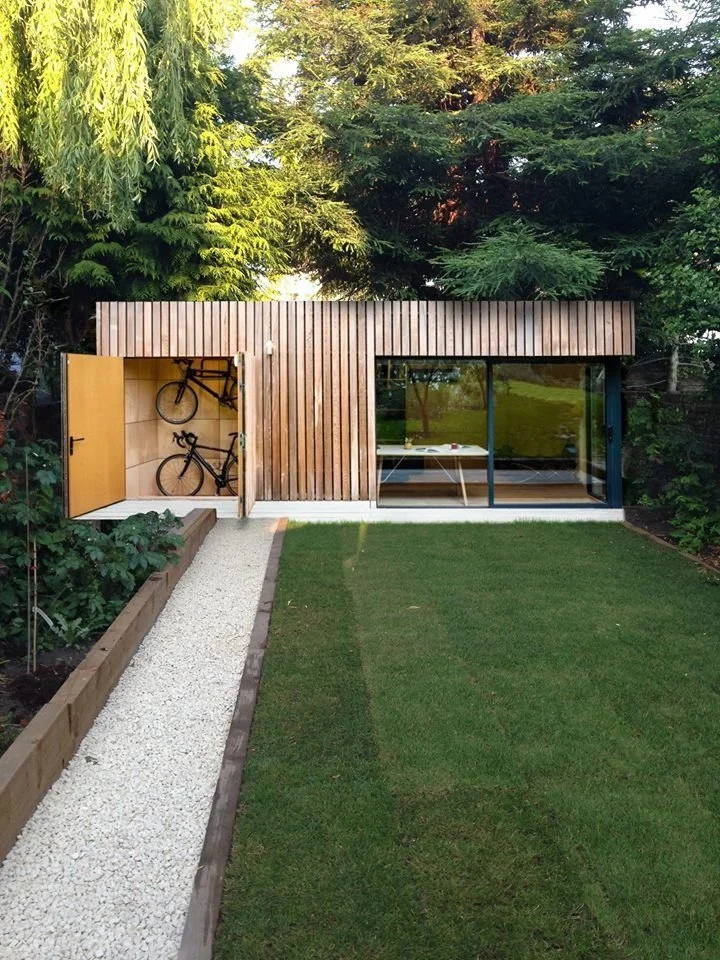
Why Everyone Is Talking About ADUs
The short answer? Flexibility.
ADUs let you grow without moving, host without crowding, and earn income without giving up your backyard. They’re functional, adaptable, and—when properly designed—genuinely beautiful.
Also helpful:
Cities are easing up on permits
Housing prices remain… a lot
Remote work is still a thing
Nobody wants to give up location just to gain a guest room
For homeowners who want to live smarter, not larger, ADUs are the new go-to.
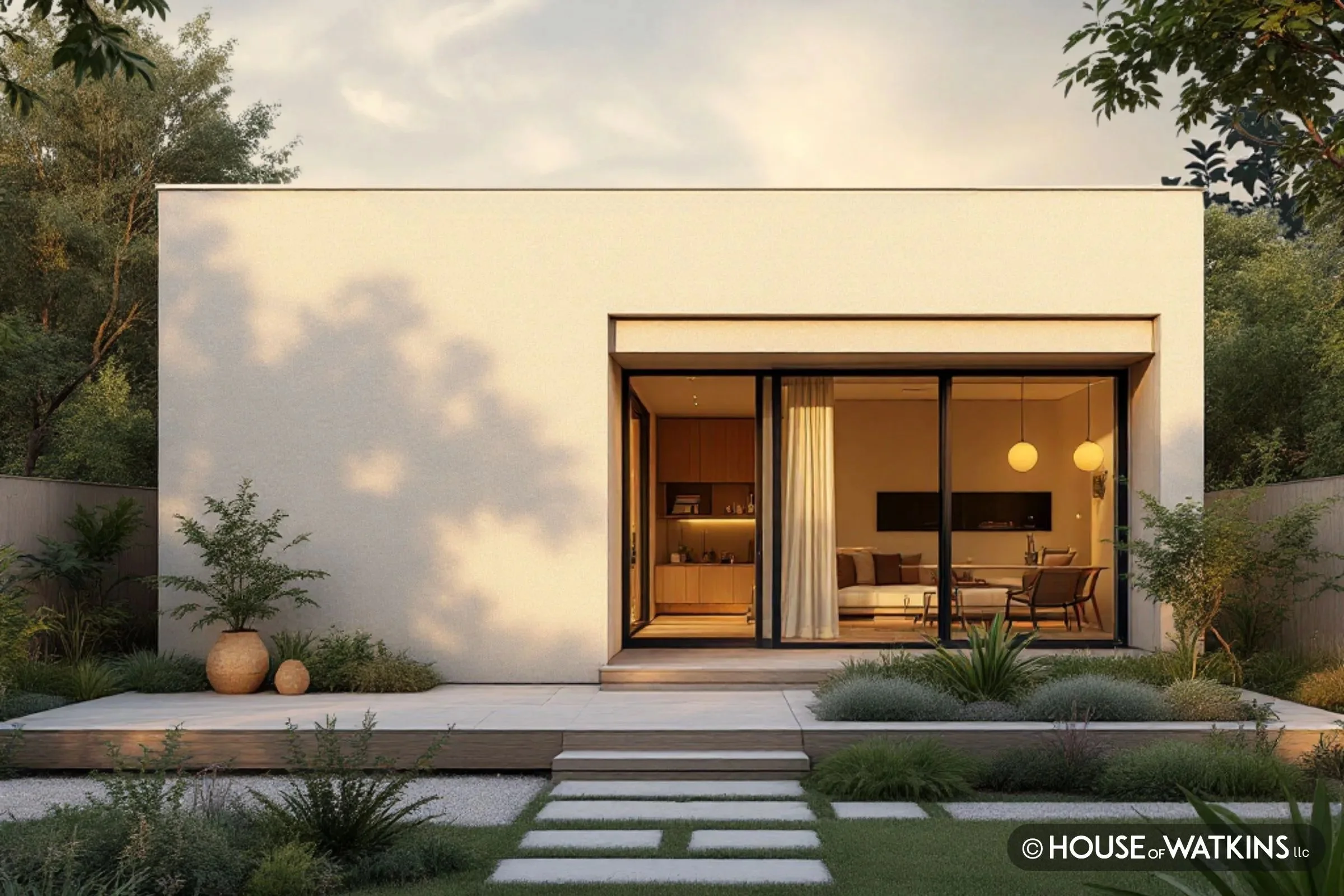
Image Credit: House of Watkins
What Can You Build With?
Short answer: more than you think. ADUs aren’t a one-material-fits-all situation.
1.Ground-up New Builds
The most versatile option. Start from scratch, match the architecture of the main house—or don’t. Either way, you get full control.
2. Shipping Container Conversions
For those who want an industrial edge with a sustainability story. Just know you’ll need good insulation and great taste.
3. Prefab or Modular ADUs
Offsite-built and delivered like modern magic. Faster, sometimes more cost-efficient, and ideal for regions with tight building windows.
4. Garage or Basement Conversions
When you realize your garage is storing cardboard boxes and missed potential. Often more affordable, but might require more clever design to make it work.
5. SIPs or CLT Panels
Acronyms aside, these are high-performance building materials for those who love energy efficiency and crisp detailing.

Image: Pinterest

Image: KW Appraisal Group
ADU Construction Costs: Let’s Talk Numbers
Let’s talk numbers, because it’s not all roses and reclaimed wood. The cost of an ADU varies depending on scope, condition of the property, and how custom you want to get.
There’s no one-size-fits-all price tag, but these national ranges give you a good ballpark:
Garage conversion: $85,000 – $140,000
Attached ADU: $150,000 – $225,000
Detached ADU (400–600 sq ft): $200,000 – $300,000
Larger detached ADU (up to 1,000 sq ft): $300,000 – $450,000+
These estimates usually include site work, framing, HVAC, basic finishes, and permits. What they don’t include is the part where it actually feels like a home: interior design.
Here’s a breakdown of what homeowners in California can realistically expect:
Garage conversion: $100,000 – $160,000
Attached ADU: $180,000 – $250,000
Detached ADU (400–600 sq ft): $250,000 – $350,000
Larger detached ADU (up to 1,000 sq ft): $350,000 – $500,000+
These estimates usually include:
Site work and utility trenching
Foundation or slab prep
Framing, windows, roofing
Electrical, plumbing, HVAC
Permits, Title 24 compliance, and basic interior finishes
What they don’t include is what makes the space truly livable — like custom millwork, furniture, lighting layers, or that linen Roman shade that makes the window feel finished. That’s where thoughtful interior design comes in.
It’s not inexpensive, but it’s often less than the cost of moving or building an addition.

Image Credit: Casita Sequoia
Interior Design: The Secret Ingredient
Interior design is what takes your ADU from “technically complete” to actually livable. These spaces are small but require big thinking — custom layouts, scaled furnishings, layered materials, and details that don’t just look good, they work hard.
Design fees for ADUs generally range from $12,000 to $25,000+ and can include:
Space planning
Finish and material selection
Custom millwork or cabinetry drawings
Lighting plans
Furniture sourcing
Styling (because yes, it matters here too)
Great design is what makes an ADU feel considered — not cramped. And yes, the ottoman can have storage.
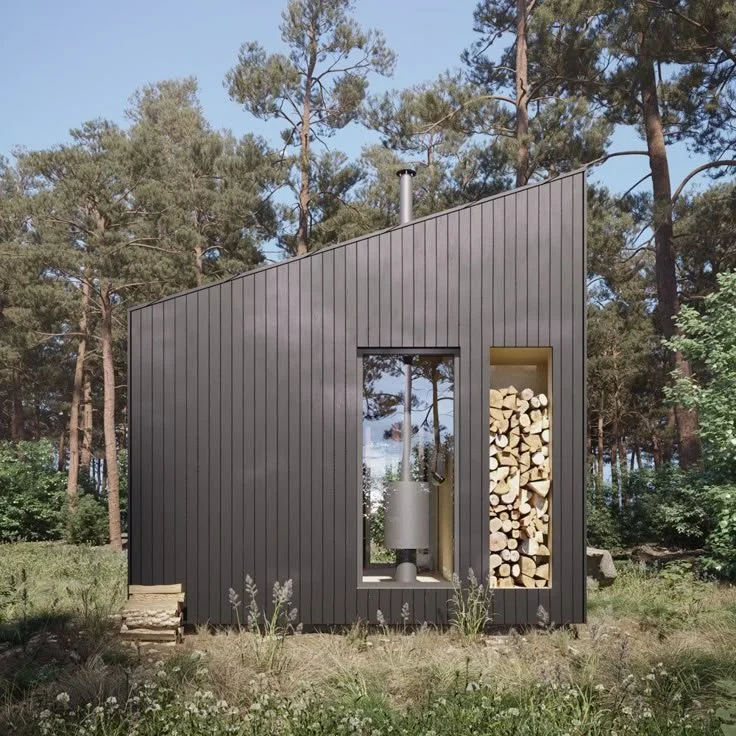

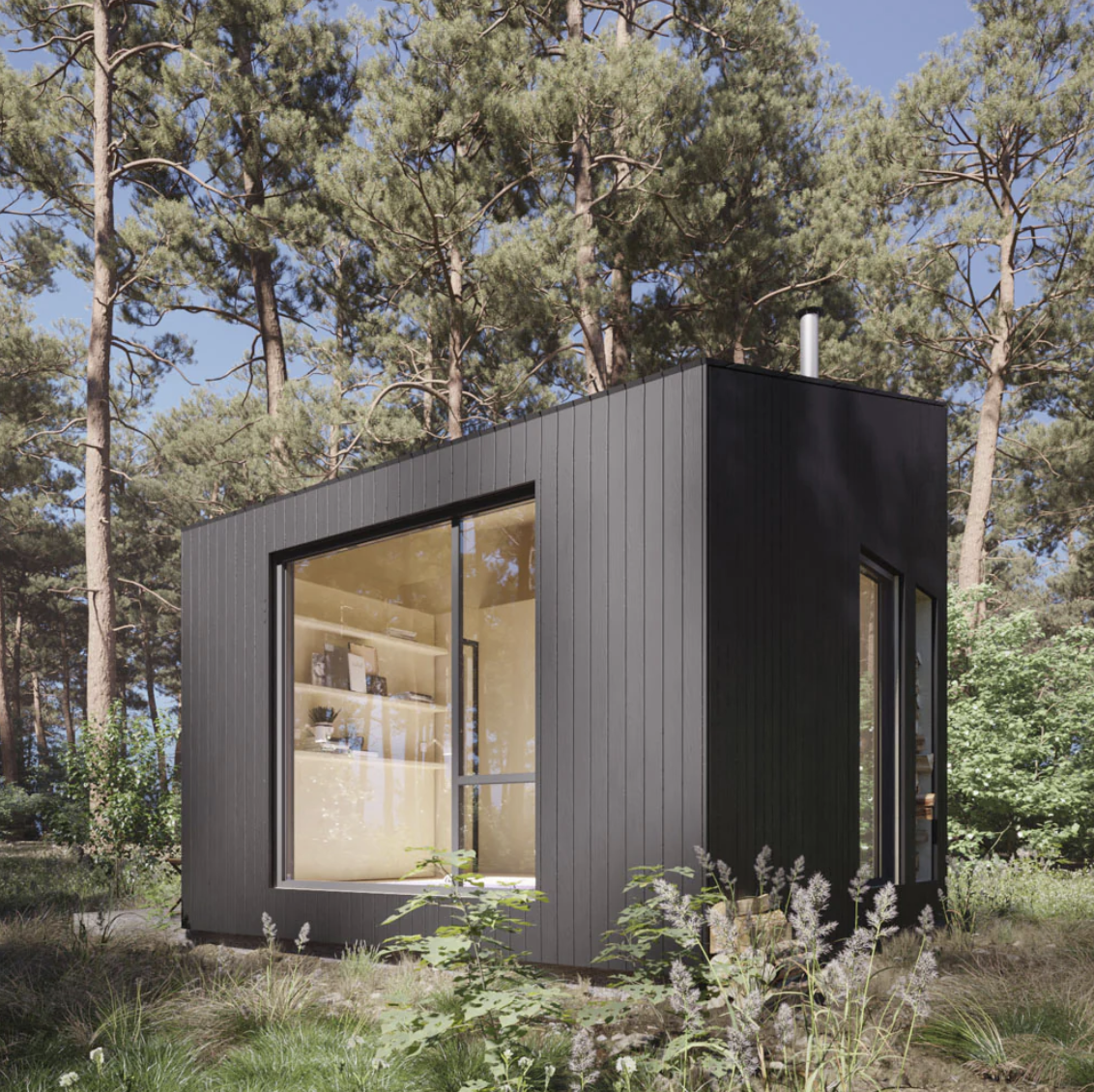


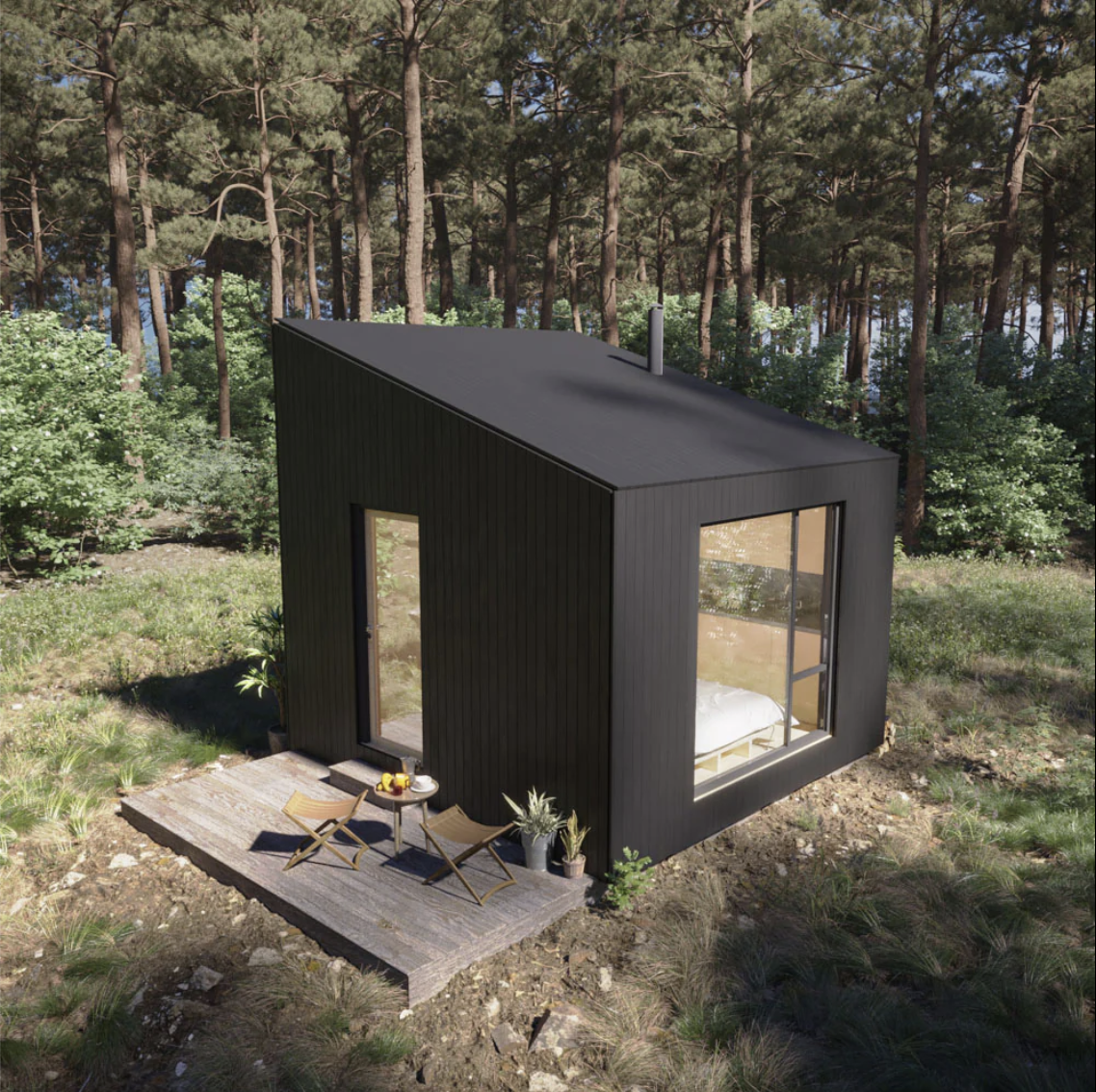
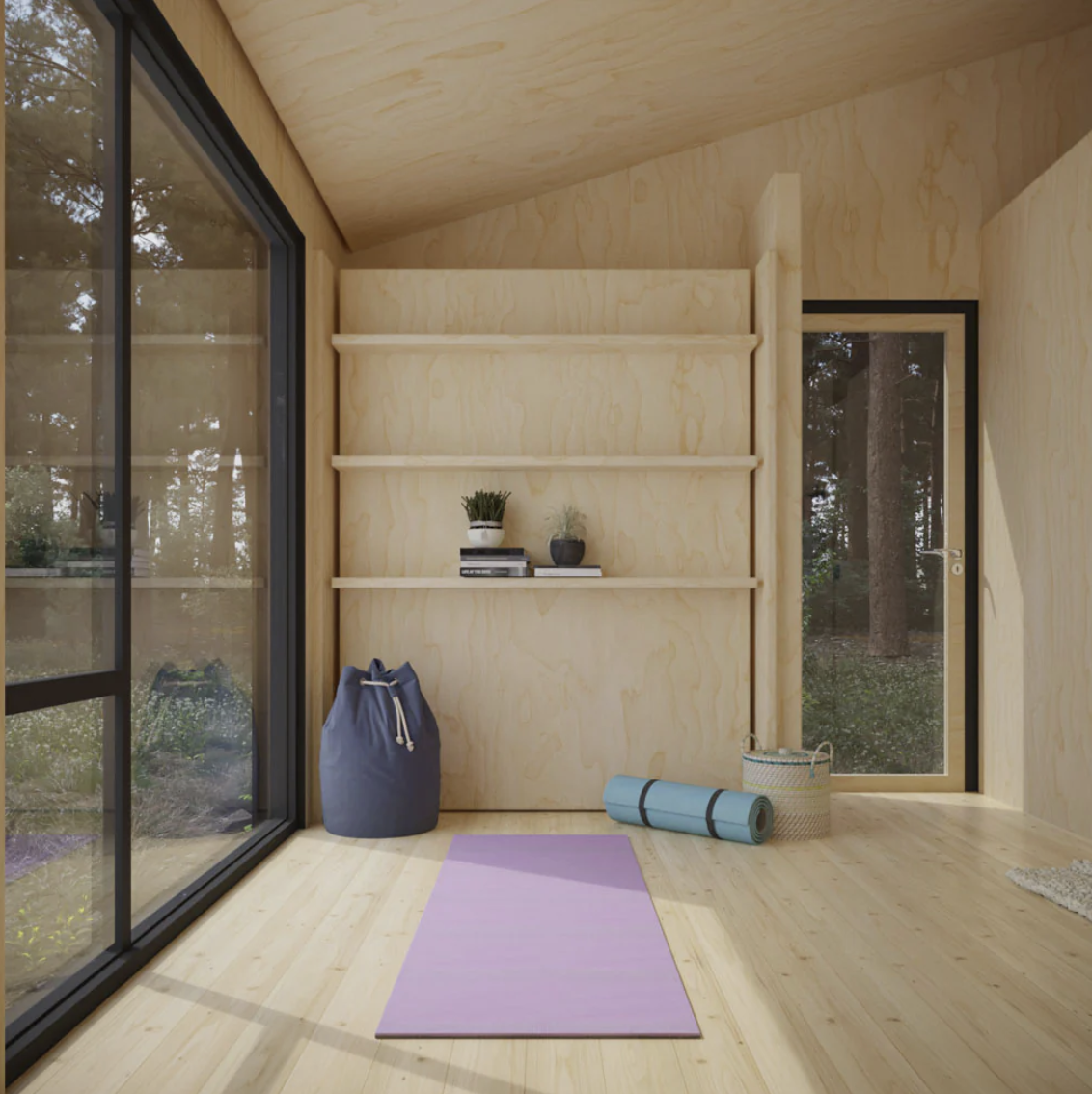
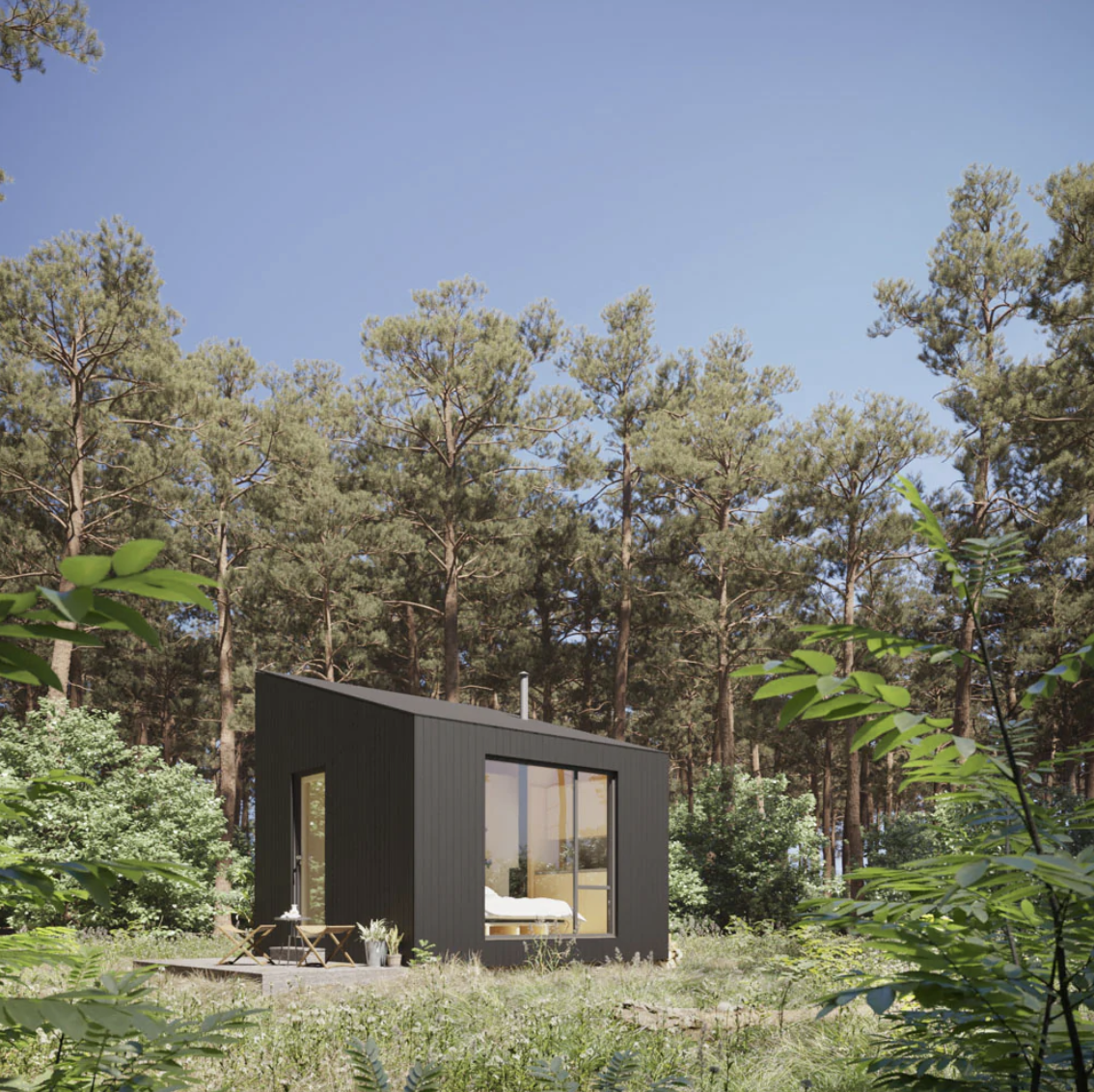
Image Credit: Den Outdoors
Free Money? Almost.
The ADU Grant Program (California)
If you’re building in California, here’s some good news. The CalHFA ADU Grant offers up to $40,000 toward pre-construction costs—things like architectural drawings, soil testing, energy reports, permits, and impact fees.
It’s not a construction loan, and you don’t pay it back. But you do need to apply through an approved lender, and funding is limited. If your ADU dreams are still in the planning phase, it’s worth looking into.
AB 976: A Win for Rental ADUs
Also in California: AB 976 just made it permanently legal to build rental ADUs on properties that are already being rented. This was previously set to expire in 2025, but as of December 2024, it’s a forever thing.
That means you can build a second unit on your rental property without breaking zoning laws or giving up your long-term tenant. More flexibility, more opportunity, fewer hoops.
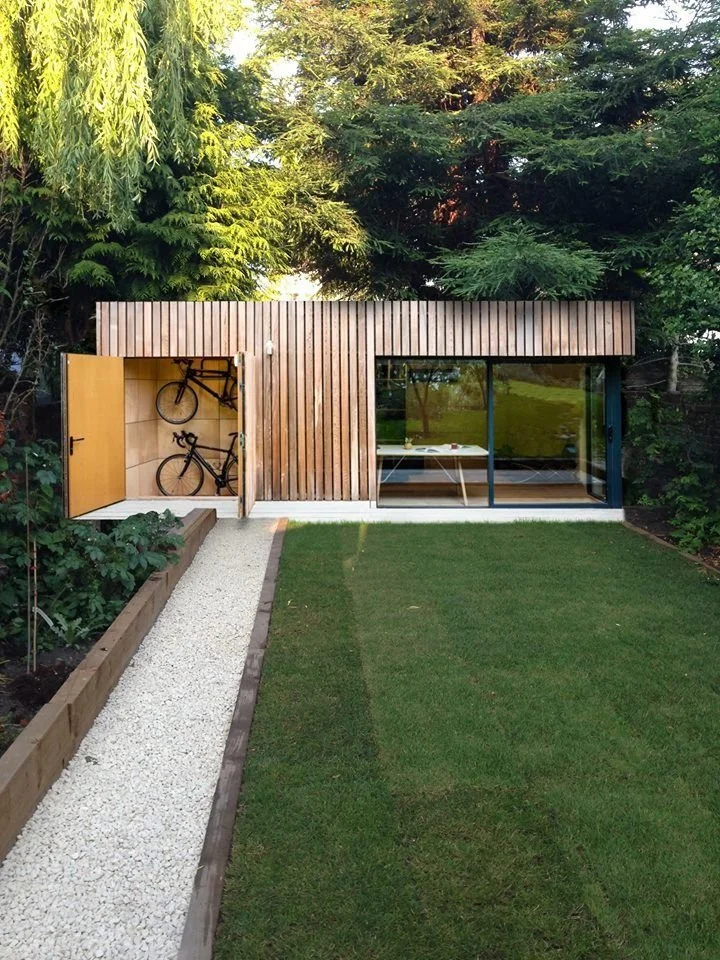
Image Credit: Shed Studio
How Are People Using ADUs? (Smartly.)
1. The Guest House That’s Better Than a Hotel
Your guests will stay longer than they should, and honestly, you might not mind. Private entry, layered lighting, and a quiet palette make this feel like its own world.
2. The Stylish-but-Functional Rental
Designed with easy-care materials and smart layouts, but still beautiful enough to photograph. Think matte tile, white oak, integrated storage, and an exterior space renters will fight over.
3. The Creative Studio with Boundaries
A space to work that isn’t your living room. Add a kitchenette, a full bath, and enough shelving to hide your chaos. Future-you will thank you.
4. The Well-Designed In-Law Suite
No fluorescent lights. No builder-grade tile. Just a space for your parent — or your adult child — to live comfortably, with thoughtful materials and full independence.
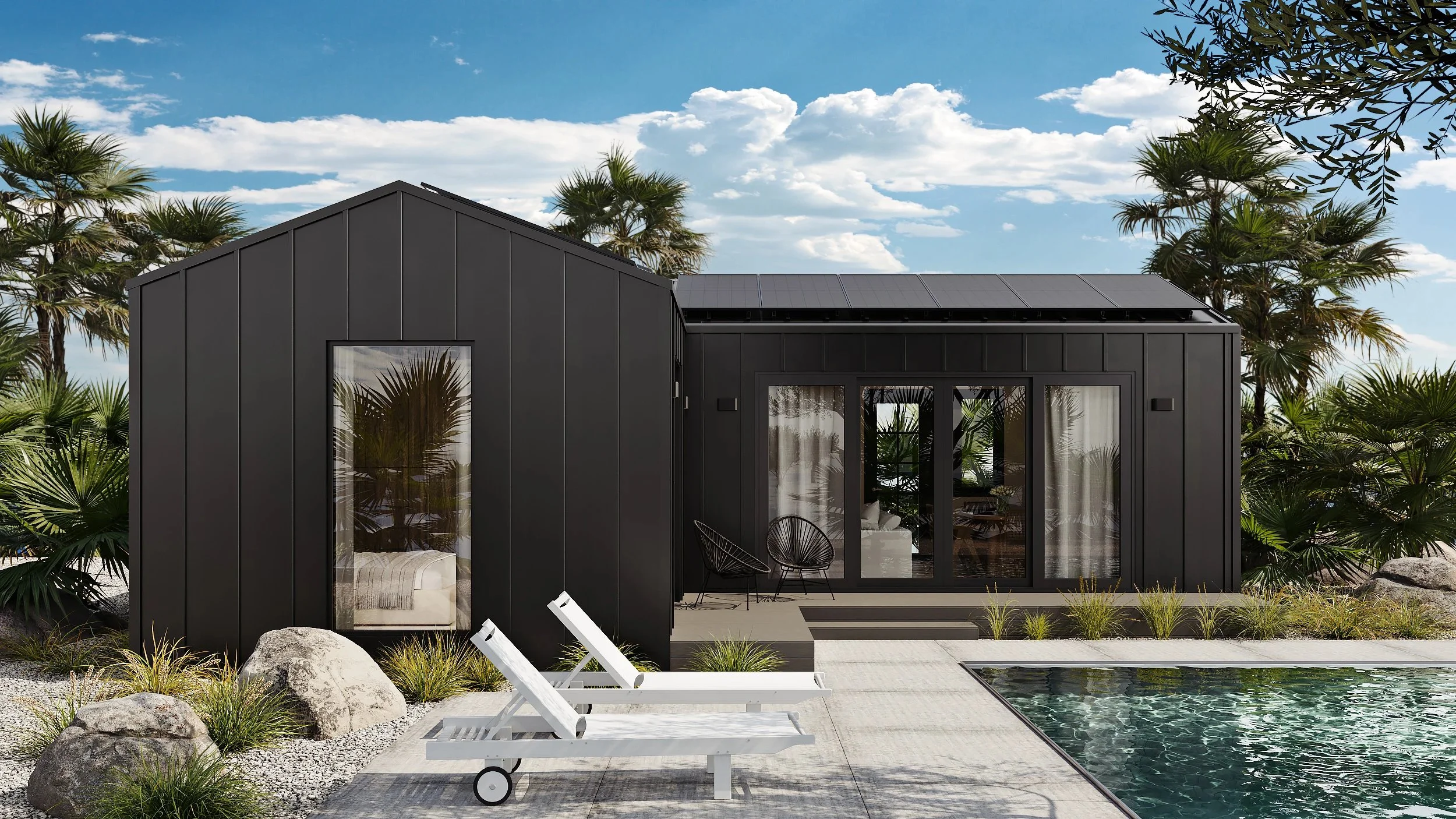
Image Credit: Momo Homes
Design Tips That Go a Long Way
Mirror some materials from the main home for cohesion
Add skylights or tall windows to expand the feel
Use storage as architecture — built-ins matter more here
Plan outdoor zones, even if small
Scale everything intentionally — oversized furniture is typically not the vibe
What Makes For A Successful ADU
Before you build—or renovate—run through this. The most successful ADUs don’t just meet code. They live well. Here are some key considerations:
☑ DEFINED PURPOSE
Every decision should support how the space will be used. Is this a rental? A guest suite? A creative studio? Clarifying the program early avoids costly detours later.
☑ SMART LAYOUT + SPACE PLANNING
Small spaces can still flow beautifully. Design around how people move through the unit. Built-ins, wall beds, and multi-use furniture help maximize square footage without crowding it.
☑ INTEGRATED STORAGE
Storage should be baked into the architecture — under benches, inside stair treads, behind paneling. It keeps the space clean and livable, especially for long-term use.
☑ EFFICIENT CLIMATE CONTROL
Proper insulation (especially in prefab or container builds) is non-negotiable. Spray foam or mineral wool can help maintain comfort year-round without stealing space from the interior.
☑ ACOUSTIC + VISUAL PRIVACY
Window placement, sound insulation, and landscape buffers all matter when sharing a property. The ADU should feel separate, but not cut off.
☑ NATURAL LIGHT
Access to daylight matters more in a compact footprint. Oversized windows, clerestory glazing, or sliding glass doors help open up the interior and reduce the need for artificial lighting.
☑ COHESIVE FINISHES
Repeat materials, tones, or architectural cues from the main home or intentionally contrast them in a way that feels curated. It should feel like a sibling, not a stranger.
☑ SCALED SYSTEMS
Mini-split HVAC units, tankless water heaters, and efficient lighting should be selected for size, performance, and energy use. Oversized systems overwhelm small spaces both physically and visually.
☑ INDOOR-OUTDOOR CONNECTION
Even a small patio or deck can dramatically expand the perceived square footage. Prioritize large openings or folding walls to create a sense of openness and blur the boundary between inside and out.
☑ A FINISHED FEEL
Not just drywall and a rug. Lighting layers, textured materials, custom millwork, and intentional styling turn an ADU from basic to beautiful.
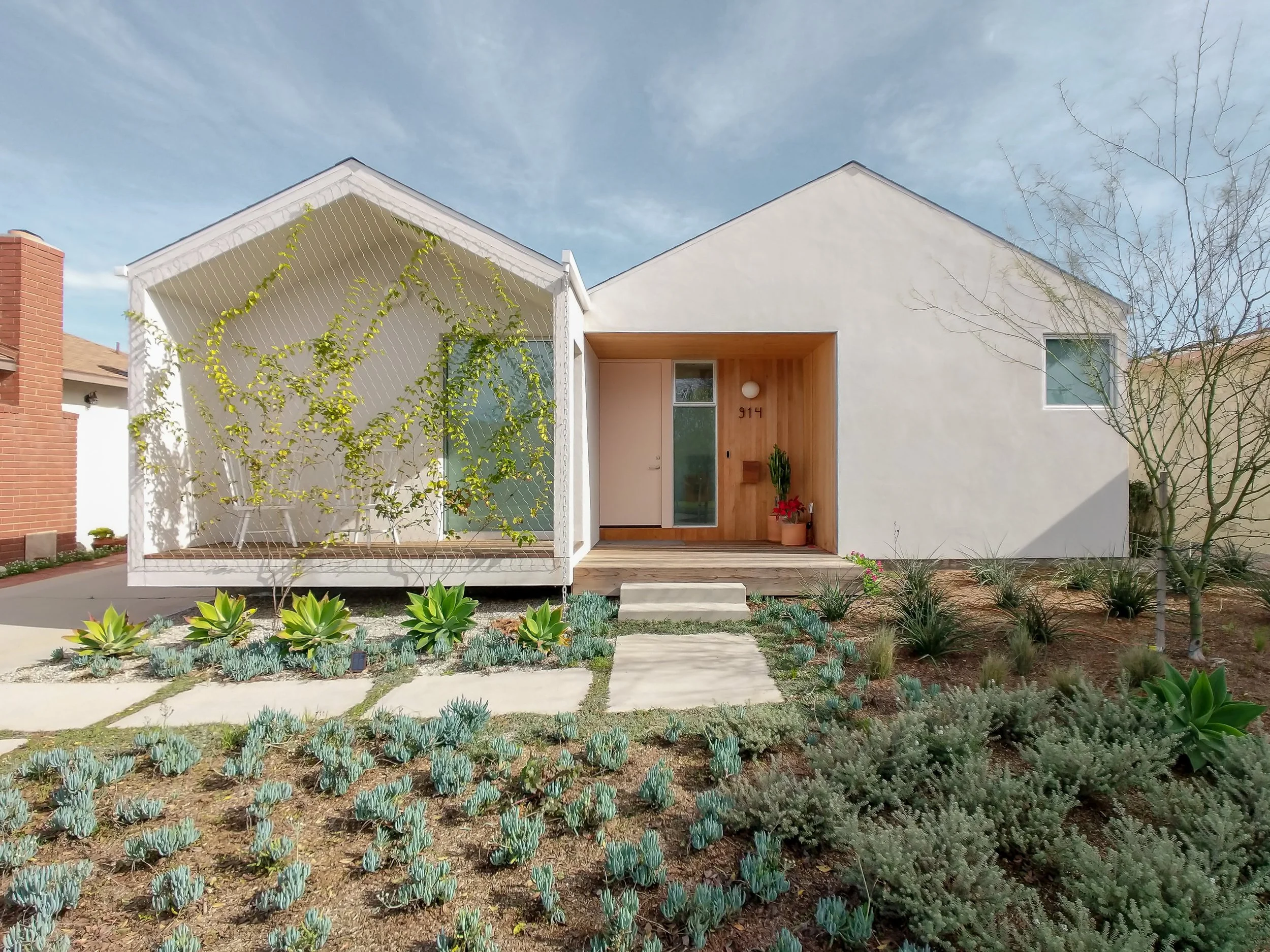


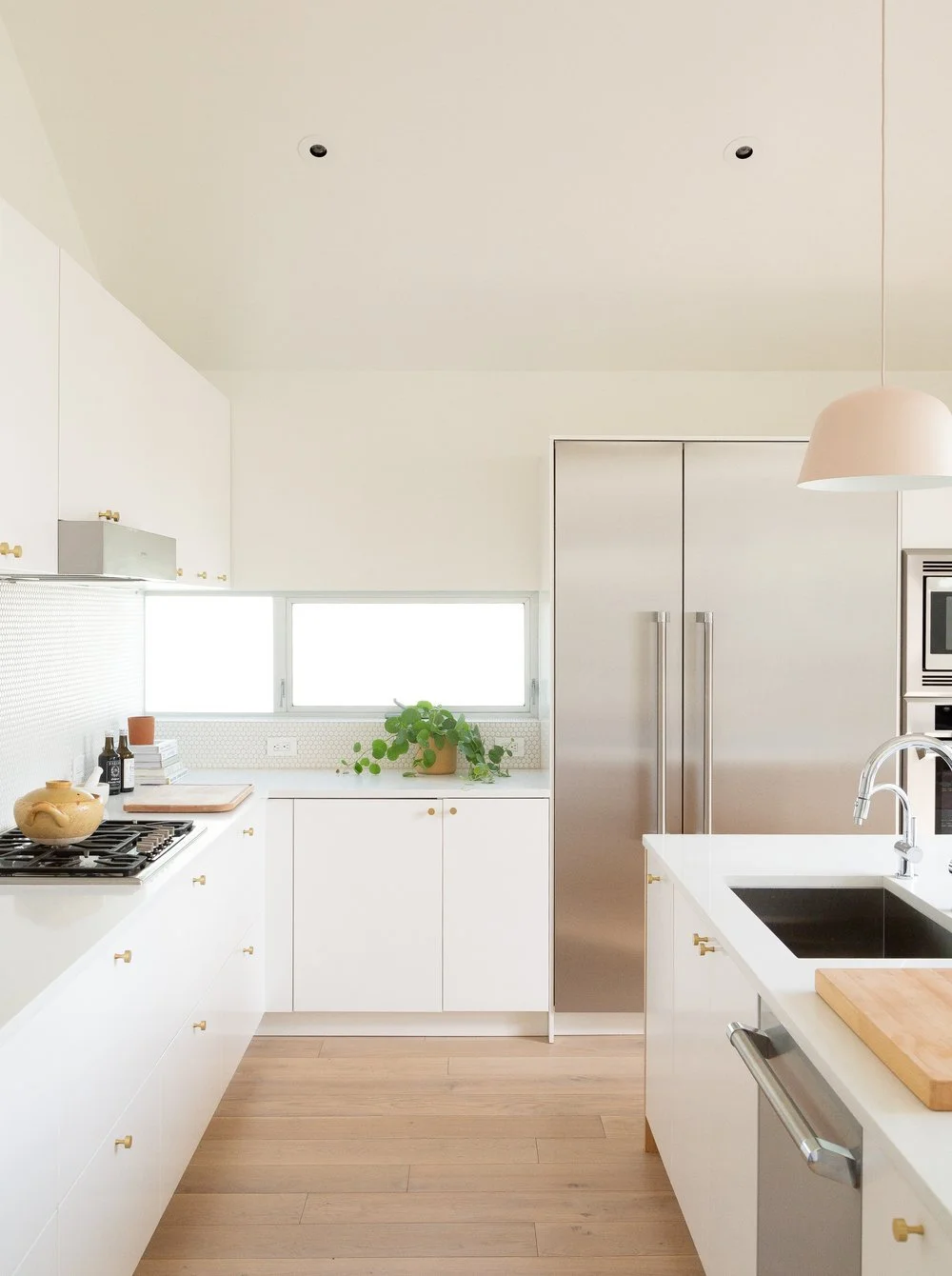
Design: Ras-A Studio, Photography: Lauren Moore
A modern ADU that feels like a complete home.
With a compact footprint, private entry, and intentional landscaping, this design blurs the line between main house and secondary dwelling. The simple gable form, wood-wrapped porch, and layered plantings create a warm, standalone presence—proof that an ADU can be both functional and beautiful.
Things to Think Through Before Building
ADUs are only as useful as they are well-planned. Before jumping in, it’s worth asking:
What is this space solving for now, and how might that change in five years?
How does it relate to the architecture and tone of the main house?
Is privacy a priority, or is the goal to stay visually connected?
Can the landscaping support the structure, or will it need a reset?
Good design starts long before construction. An ADU should feel like it belongs — not just to the lot, but to the way you live.
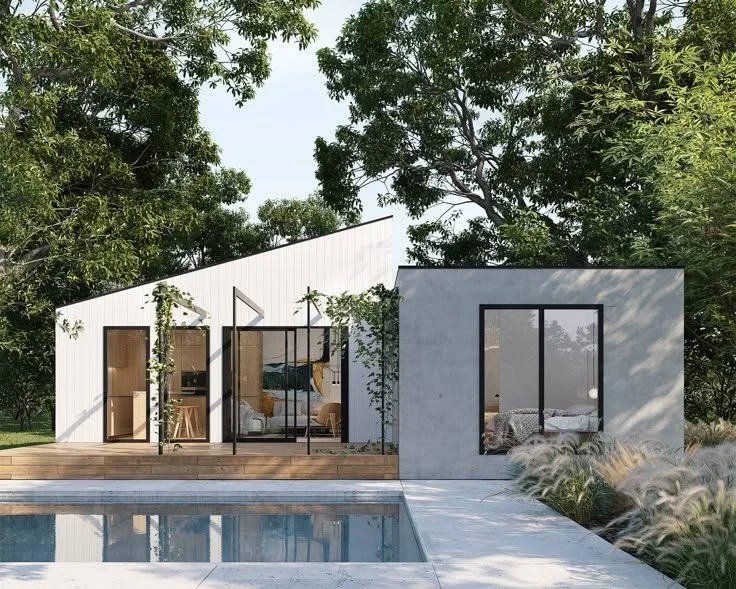
Image: Pinterest
The Takeaway
ADUs aren’t just backyard bonuses. They’re a smarter way to live whether you’re adding flexibility, creating income, or finally building that retreat you always said you would.
When done right, an ADU doesn’t feel like a second thought. It feels like a second home.
Considering an ADU?
Studio Henree partners with homeowners and builders to design ADUs that function beautifully and feel intentional from day one. Whether you’re dreaming about a detached guest suite, converting your garage, or need help making 600 square feet feel like a thousand—we’re here for it.
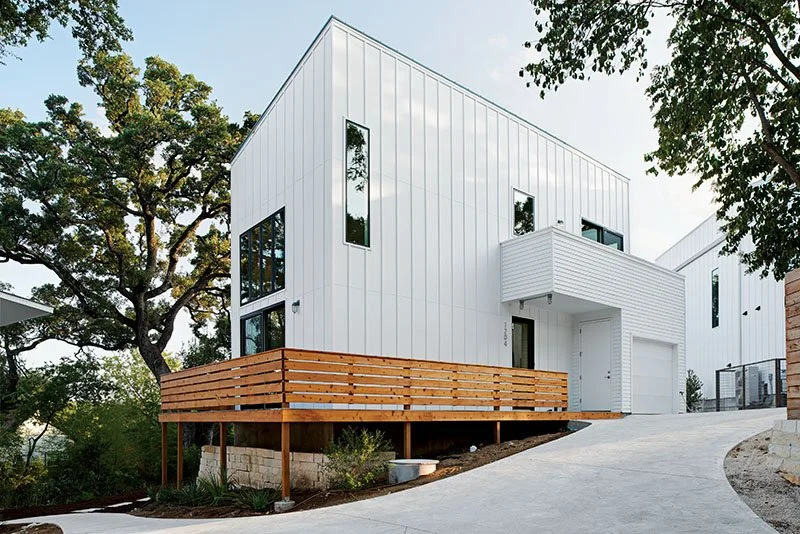
Design: Derrington Building Studio