
Sustainability at Home: Hemp vs. Linen Bedding
When it comes to selecting bedding that truly elevates the everyday, natural fibers like hemp and linen stand apart. Both are breathable, sustainable, and designed to last — but each offers a distinct feel, look, and way of living. At Studio Henree, textile selection is more than a finishing touch. It’s foundational. It sets the tone for how a space functions and how it feels. Interior designers love linen and hemp for their ability to layer texture, introduce depth, and support a more grounded experience of home.
If you’re investing in elevated, natural bedding, understanding how hemp and linen differ in softness, structure, washability, and seasonal comfort can help you make the right choice for your home — wherever that may be.
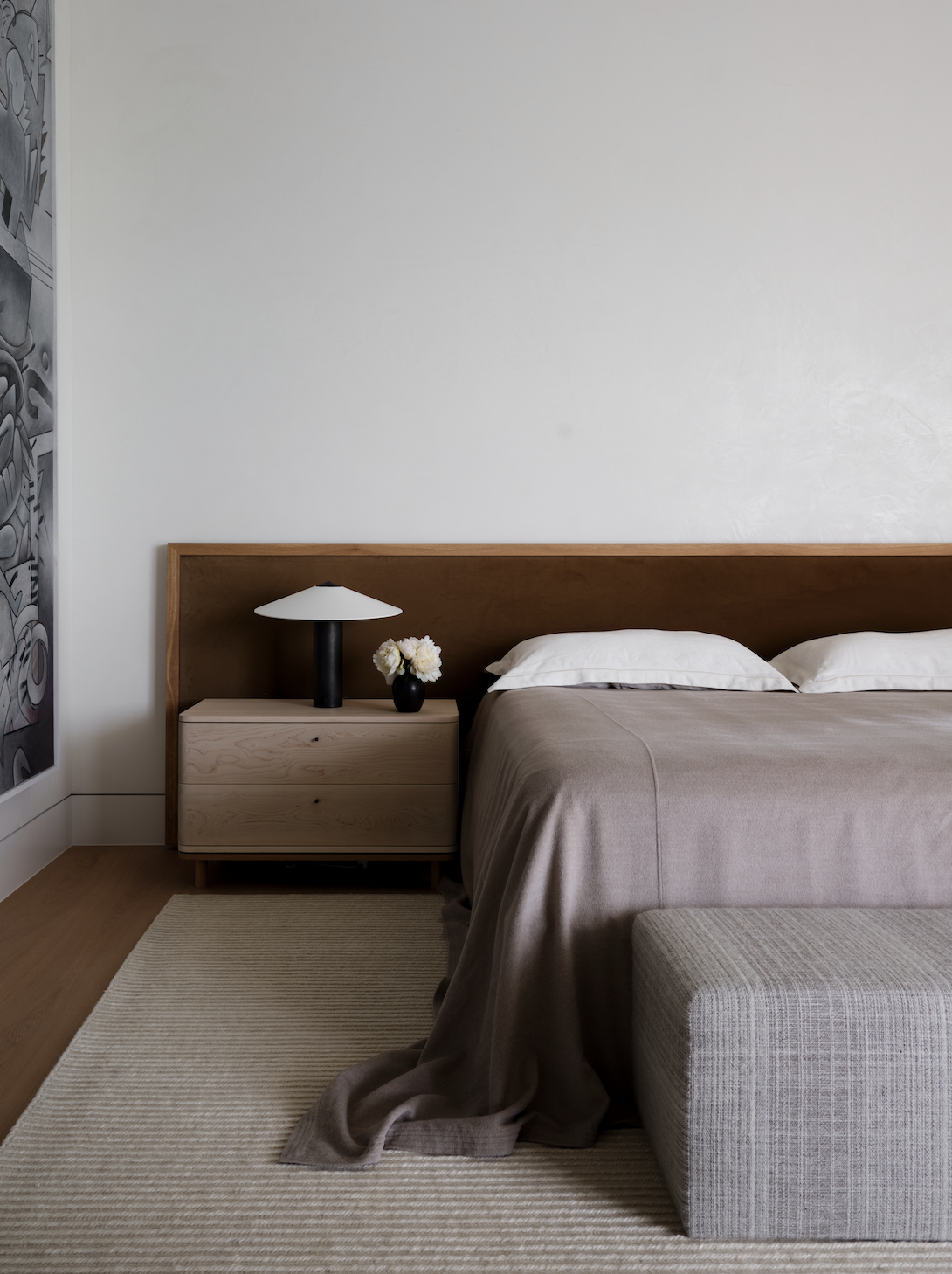
Image Credit: Christina Cole Studio
Why Compare Hemp and Linen?
This might seem like a niche topic, but for design-conscious homeowners who prioritize wellness, sustainability, and long-term value, the differences matter. Unlike cotton or synthetic blends, these materials perform better over time, age gracefully, and support a more intentional, grounded lifestyle.
For homes across both coastal and inland regions, comfort is about more than softness — it’s about how bedding regulates temperature, holds its shape, and contributes to a healthier sleep environment.
Hemp Bedding: Structured, Breathable, and Quietly Resilient
Hemp bedding is still gaining recognition in the design world, but it’s quickly becoming a go-to for those who value function, minimalism, and materials that wear well over time. The fibers are strong, naturally antimicrobial, and become softer with use.
Performance + Everyday Use
Cleanability: Machine washable. Best in cold water with gentle detergent. Line drying or low-heat tumble dry preserves structure. Naturally resists mildew and bacteria.
Softness: Starts textured, softens noticeably over time. Doesn’t lose integrity with repeated washing.
Durability: Exceptionally high. Hemp is more resistant to pilling and tearing than both cotton and linen.
Sustainability: Hemp uses very little water, grows without pesticides, and regenerates the soil it grows in. It’s one of the most eco-forward fibers on the market.
Design sensibility: Hemp’s texture softens beautifully over time without losing structure. It feels grounded, tailored, and subtly luxurious.
Climate Versatility
West Coast (dry or coastal): Hemp’s moisture-wicking properties make it ideal in dry heat and coastal humidity. It stays fresh longer and naturally resists odors.
East Coast (humid summers, cold winters): Hemp offers a breathable but substantial feel, helping regulate body temperature year-round. Layer with wool or fleece in colder seasons for insulation.
Styling Tips
Pair cool-toned hemp duvet covers in grey, slate, or olive with wood tones and matte ceramics for a textural but restrained palette.
Use structured bedding as a foundation, then layer with wool throws, boucle pillows, or quilted accents for added warmth and softness.
Hemp’s natural texture also contrasts beautifully with smooth finishes like lacquer, leather, or metal.
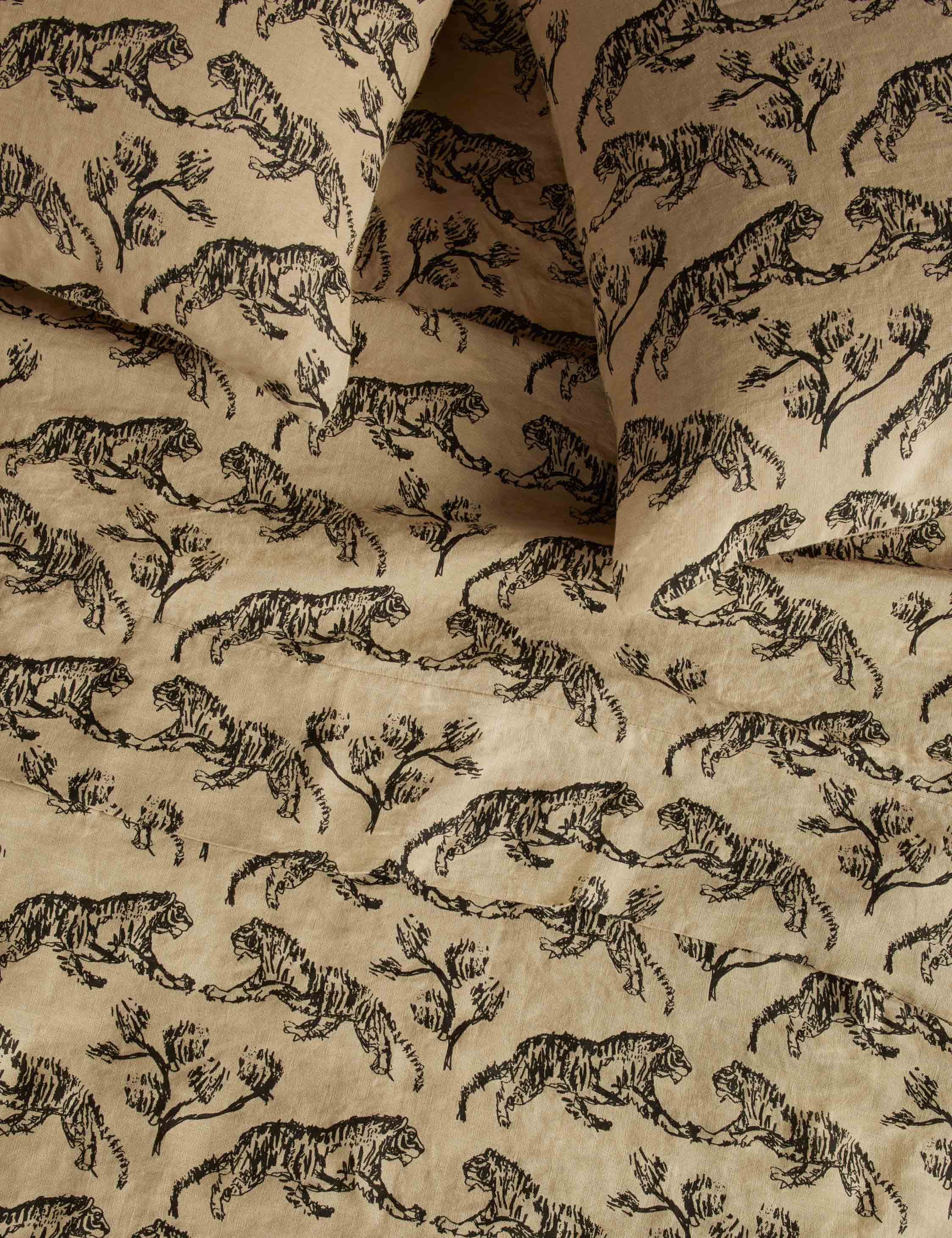
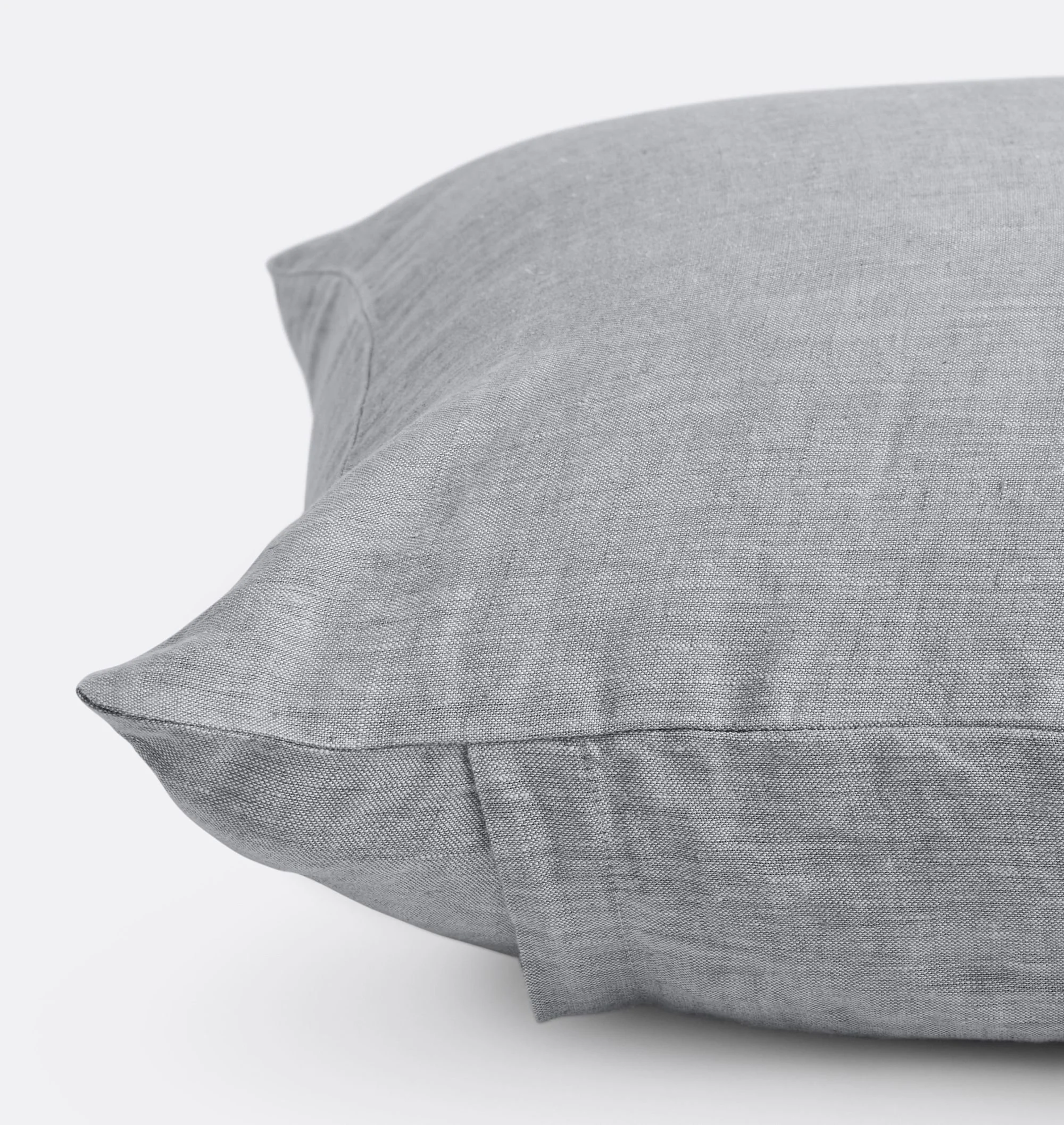
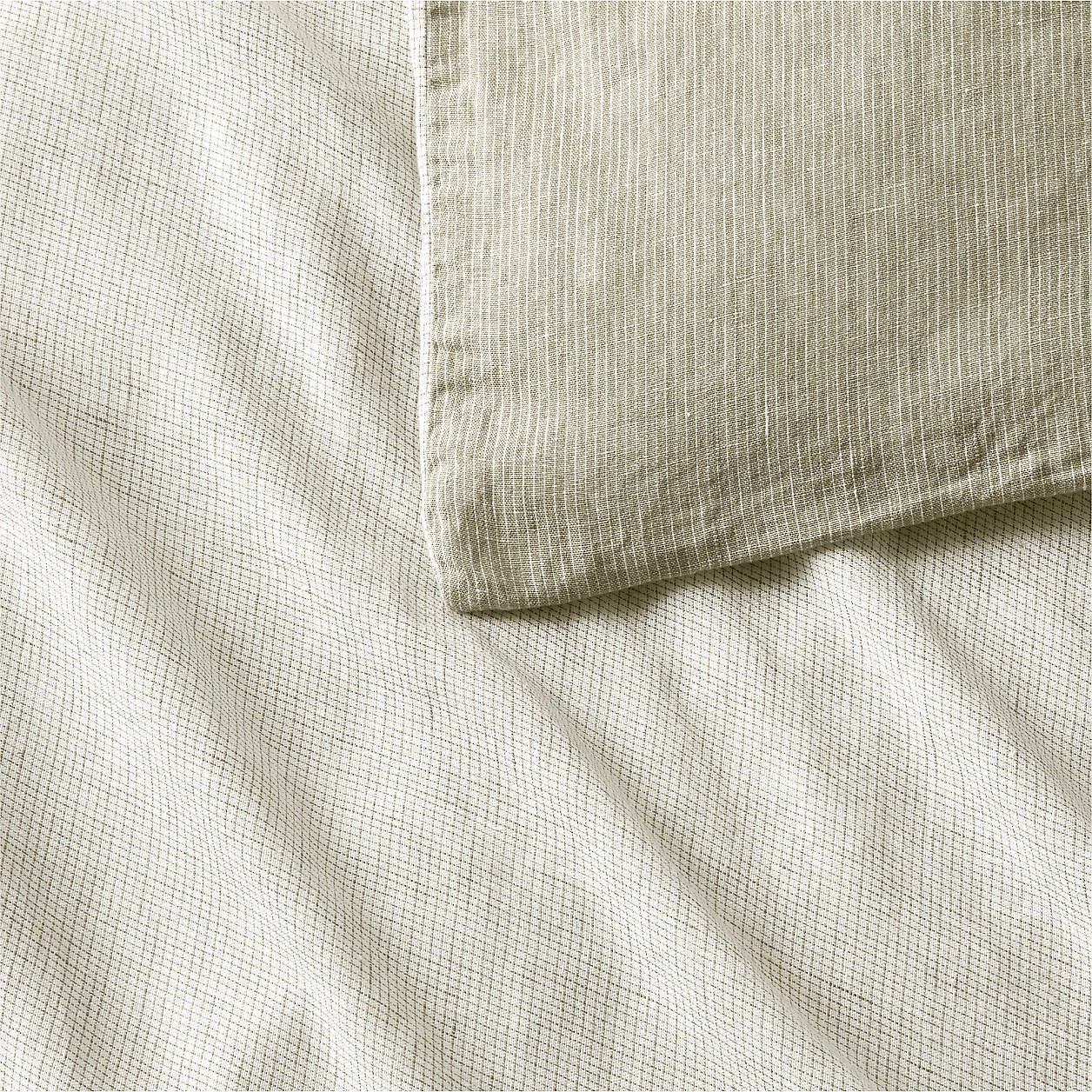
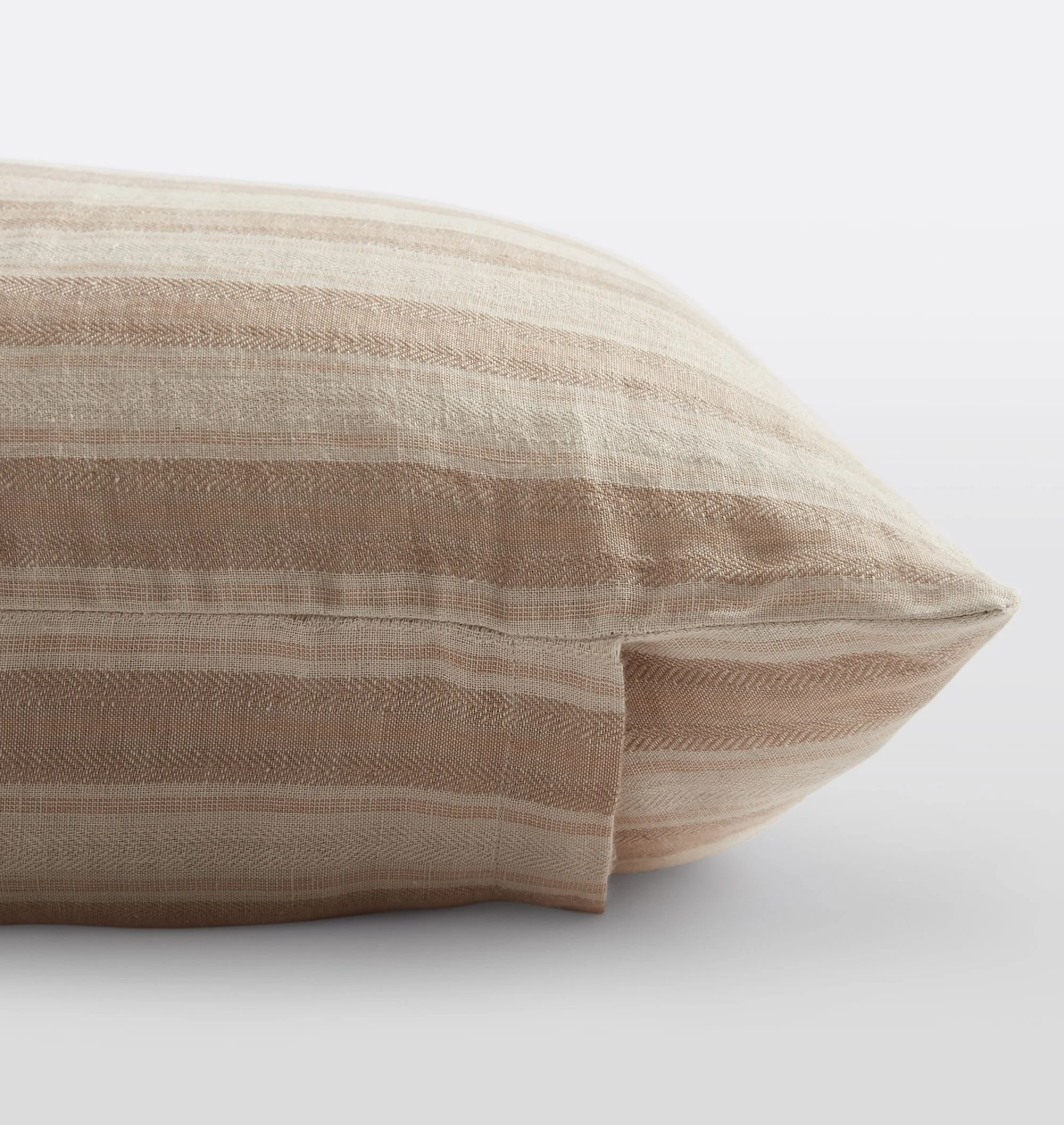
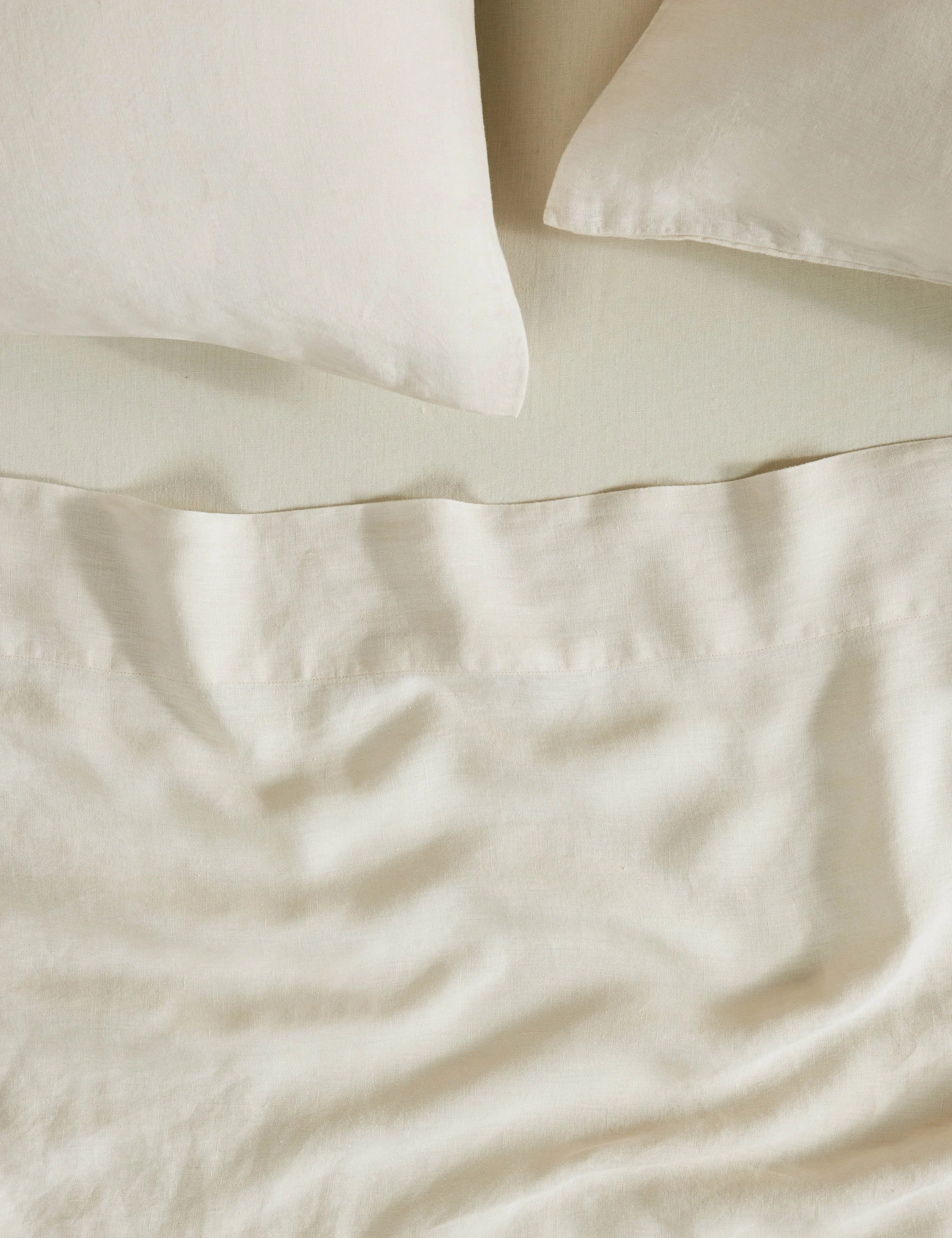
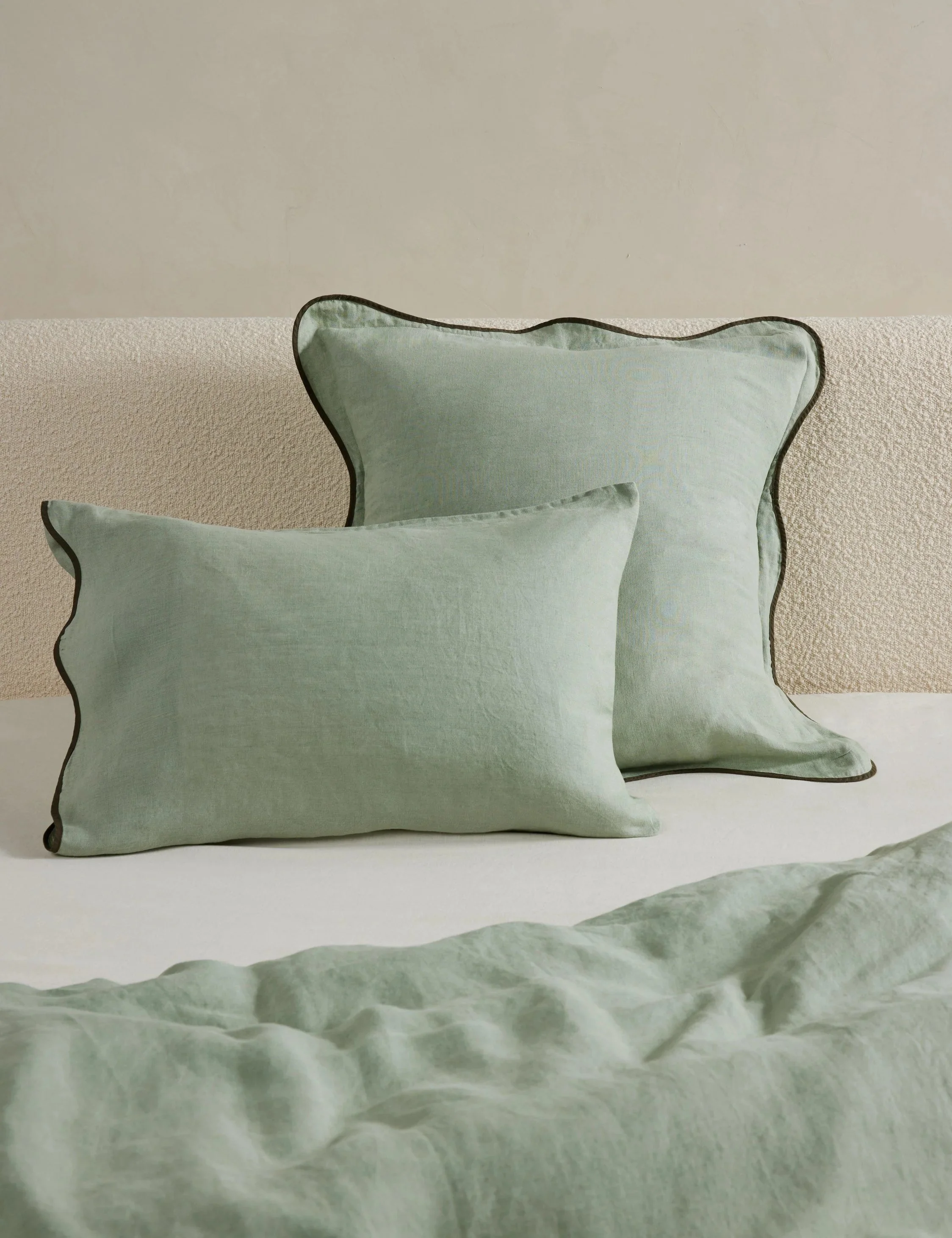
HEMP BEDDING PICKS
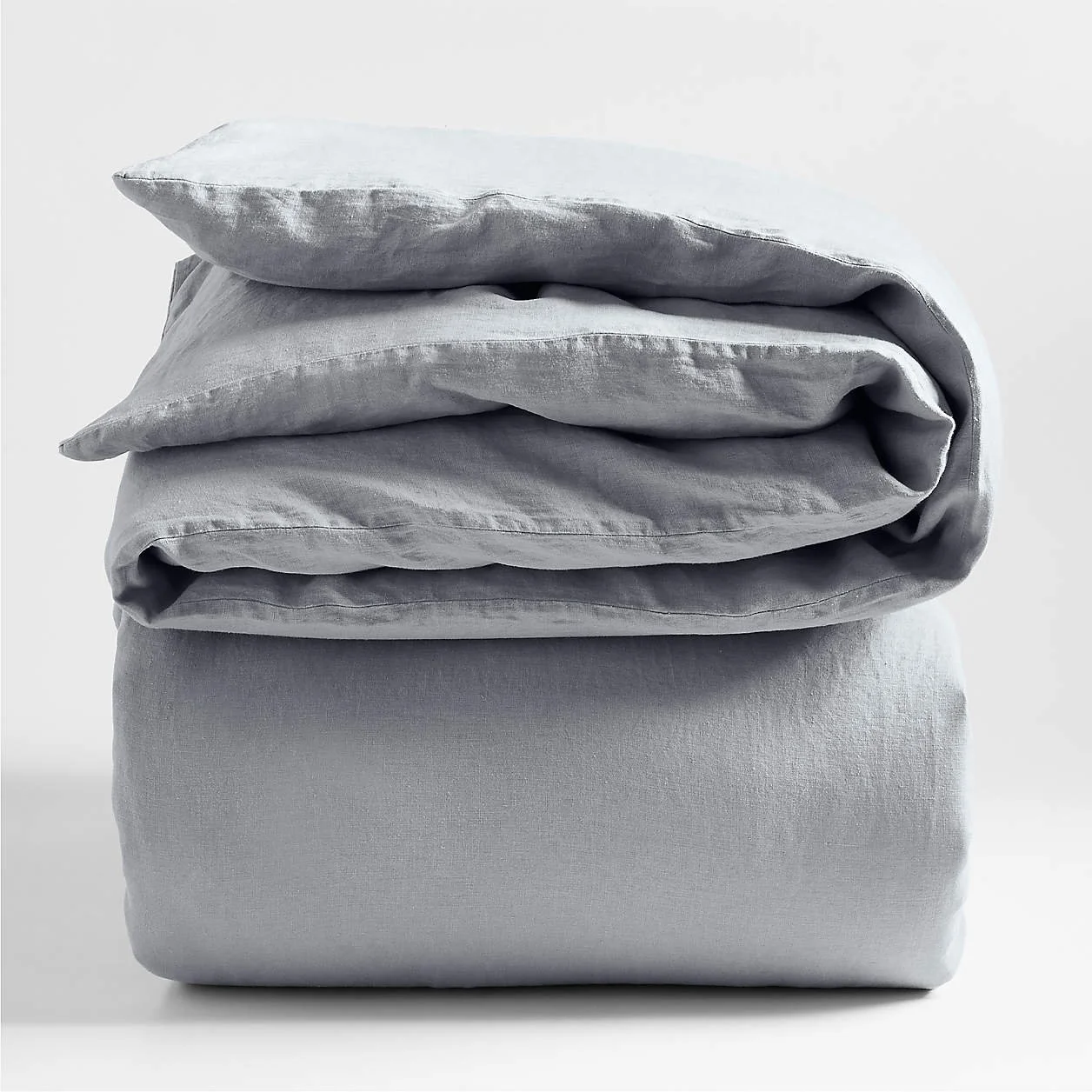
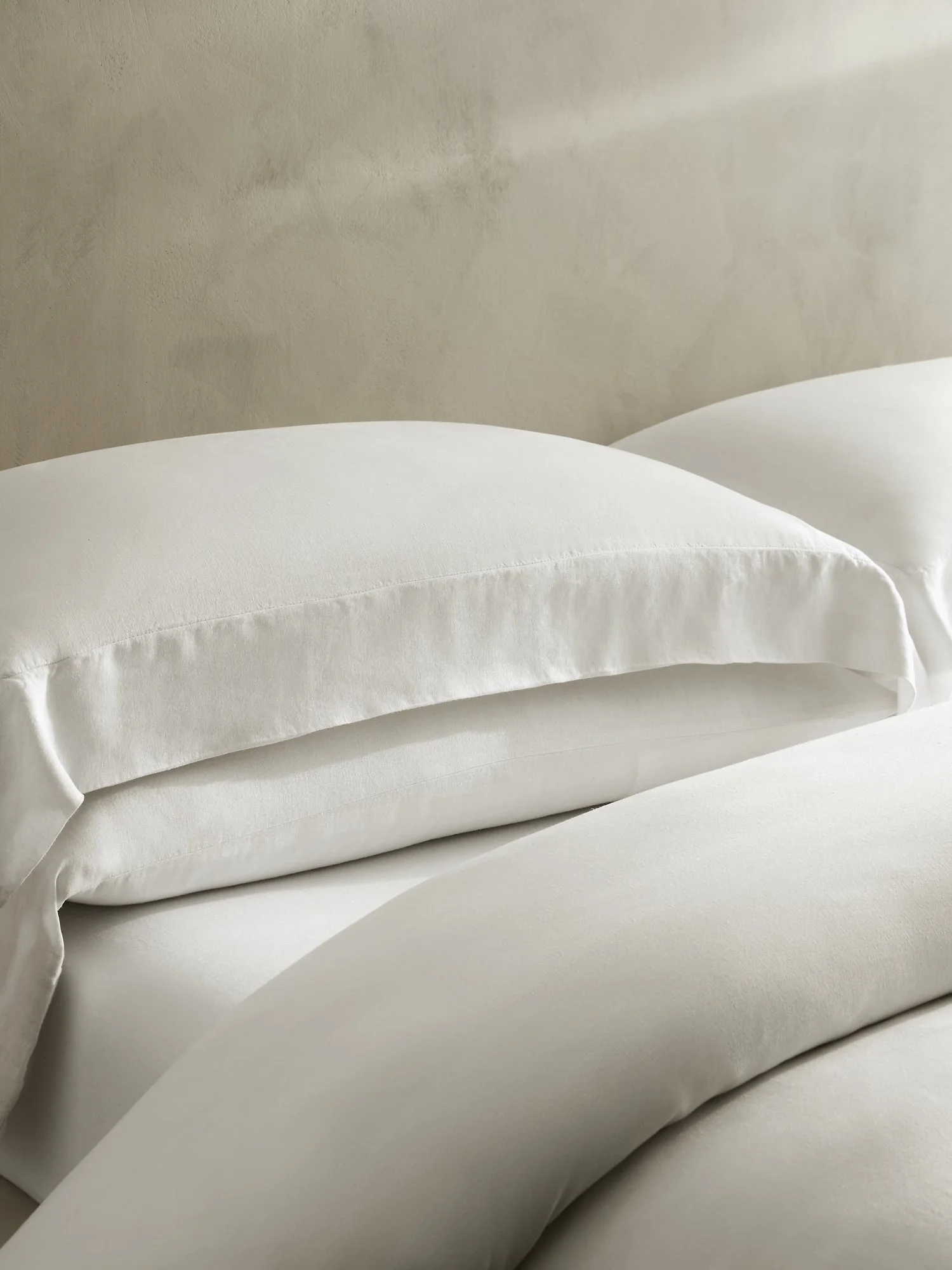
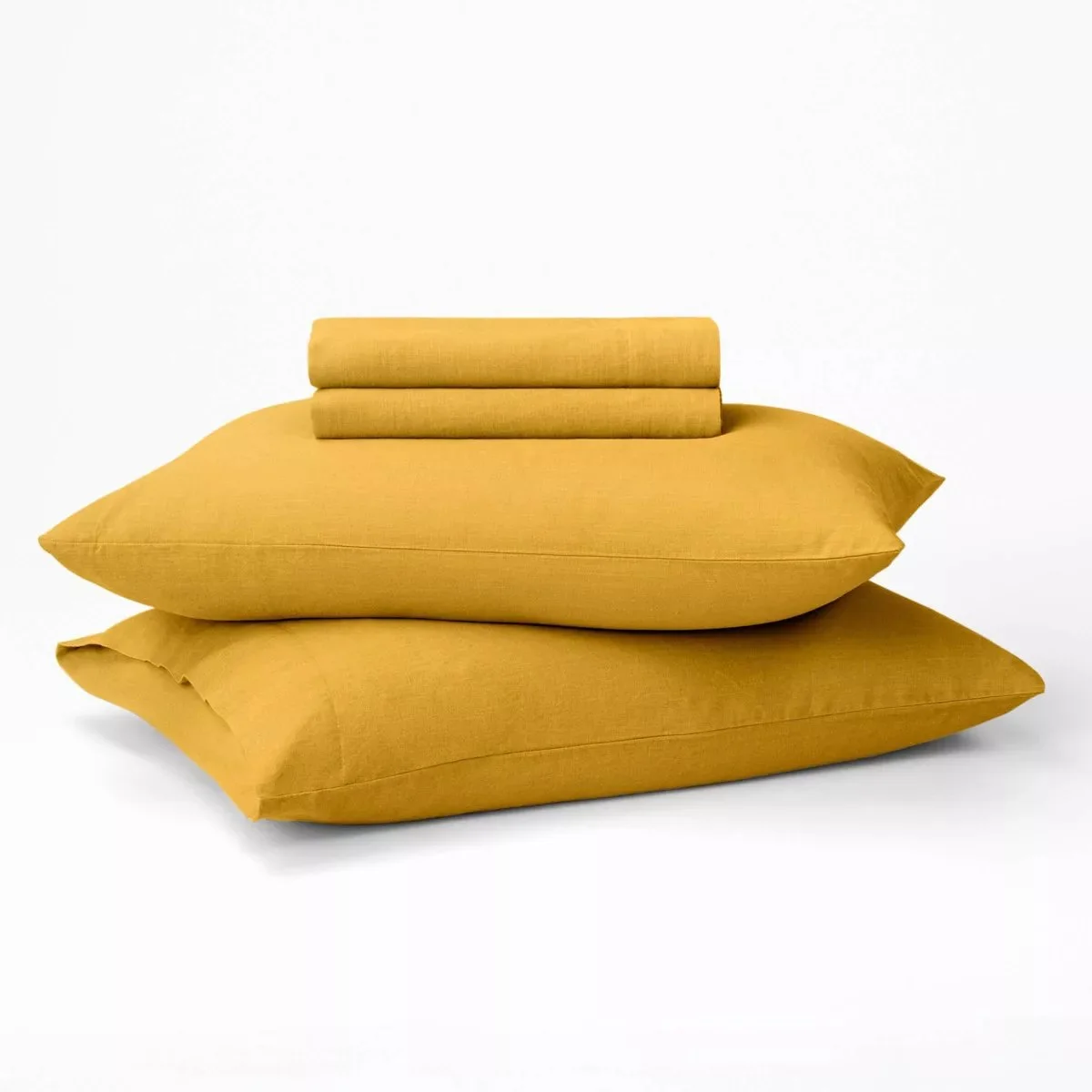
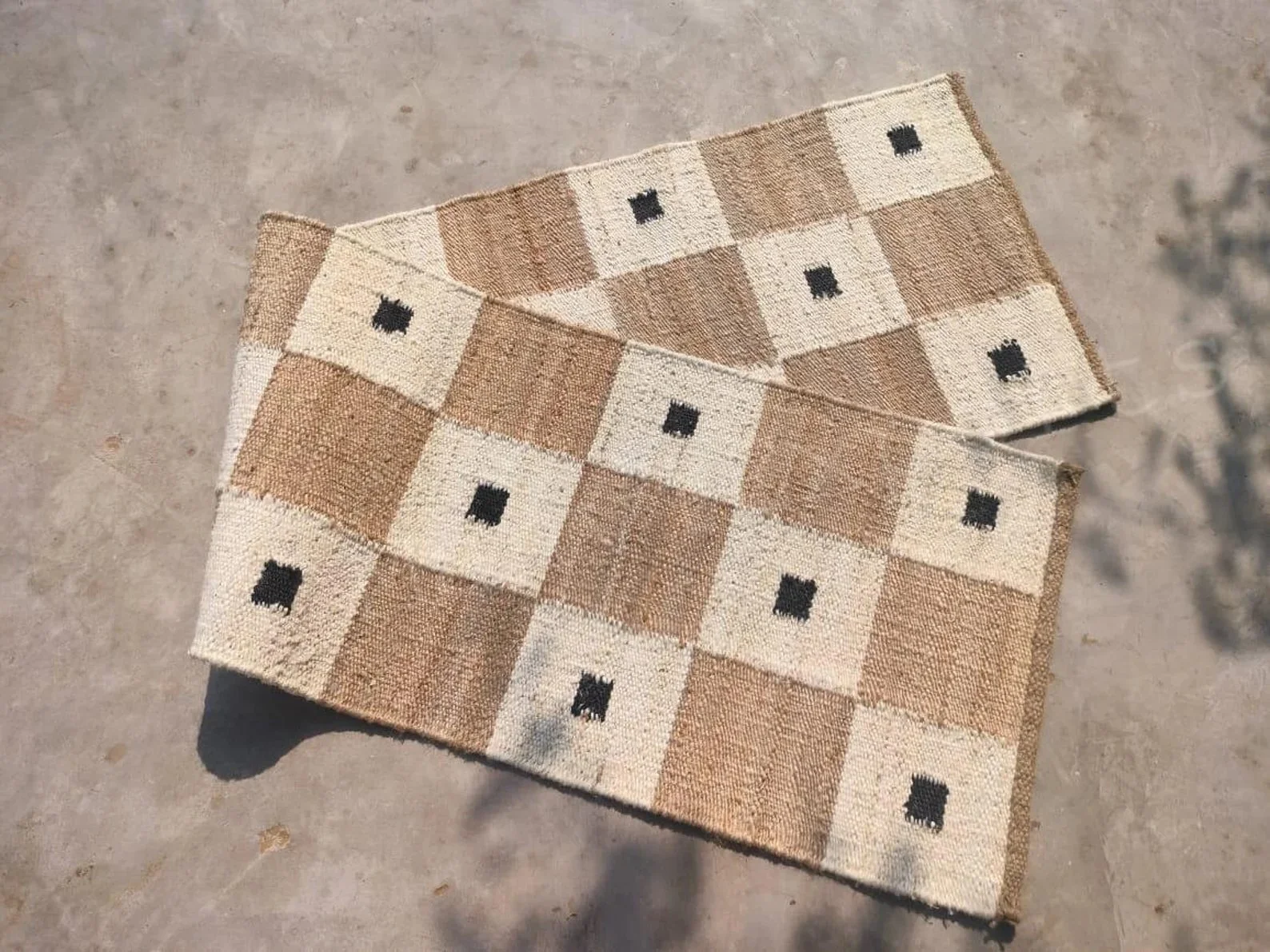
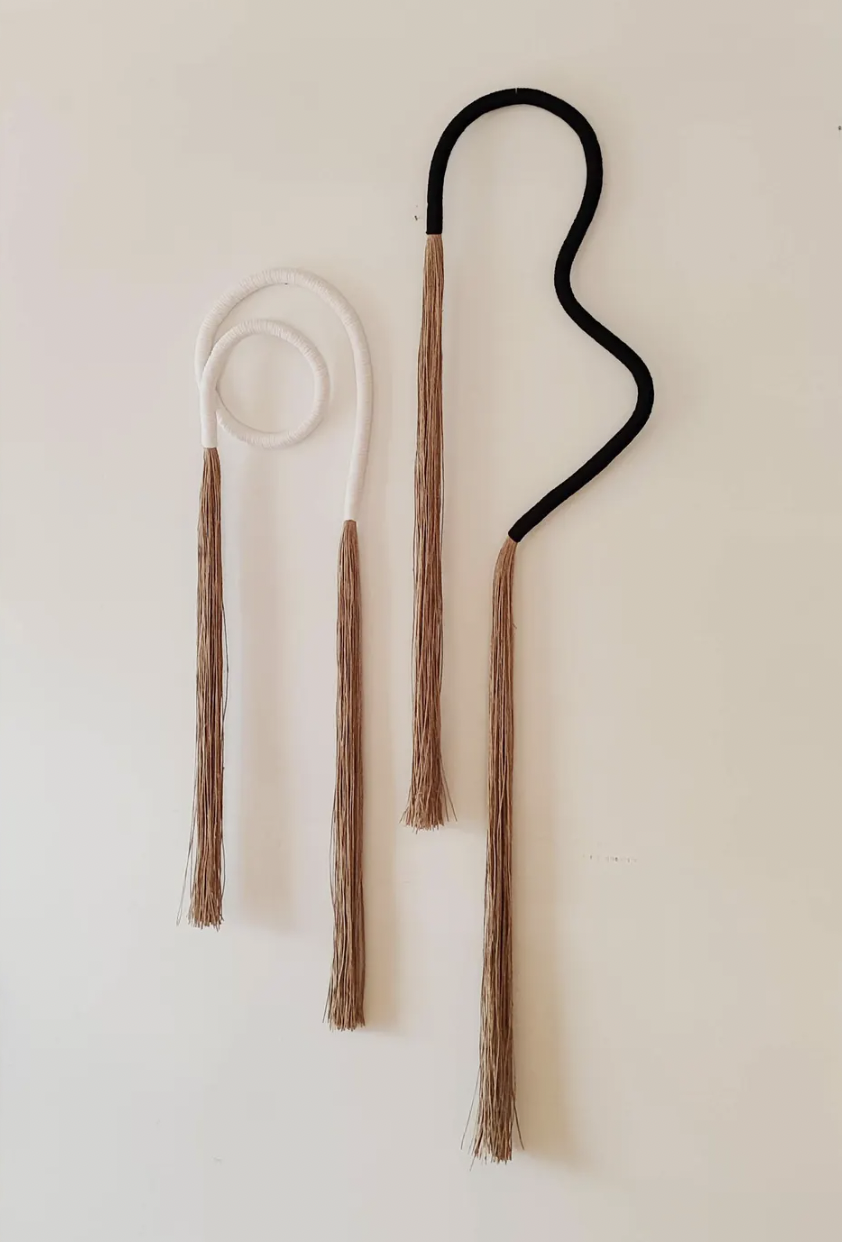
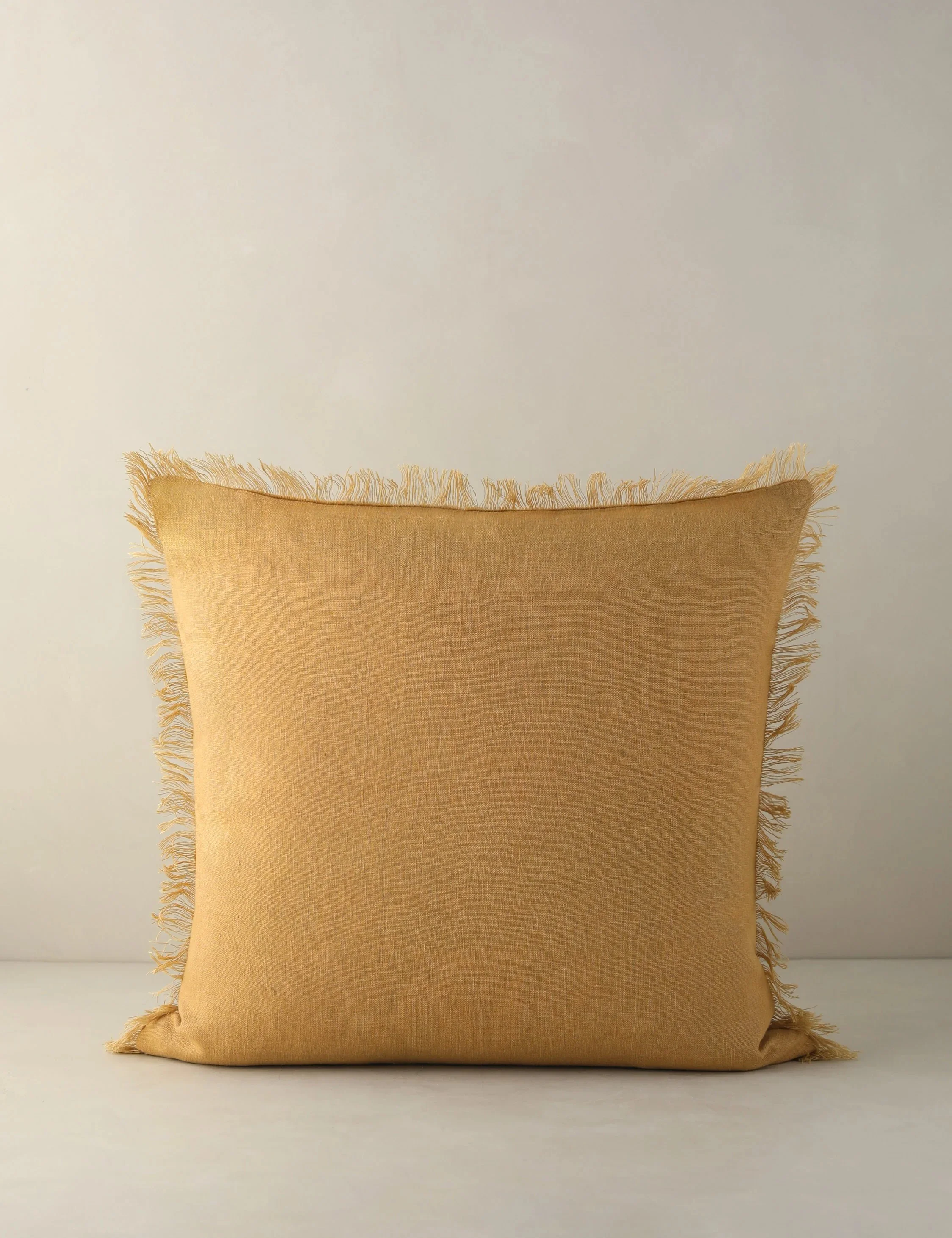
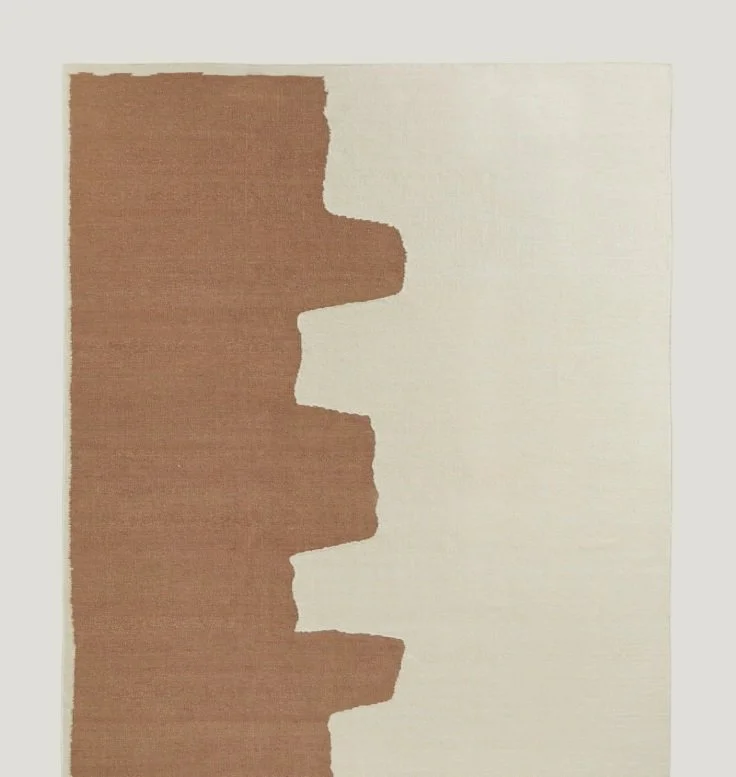
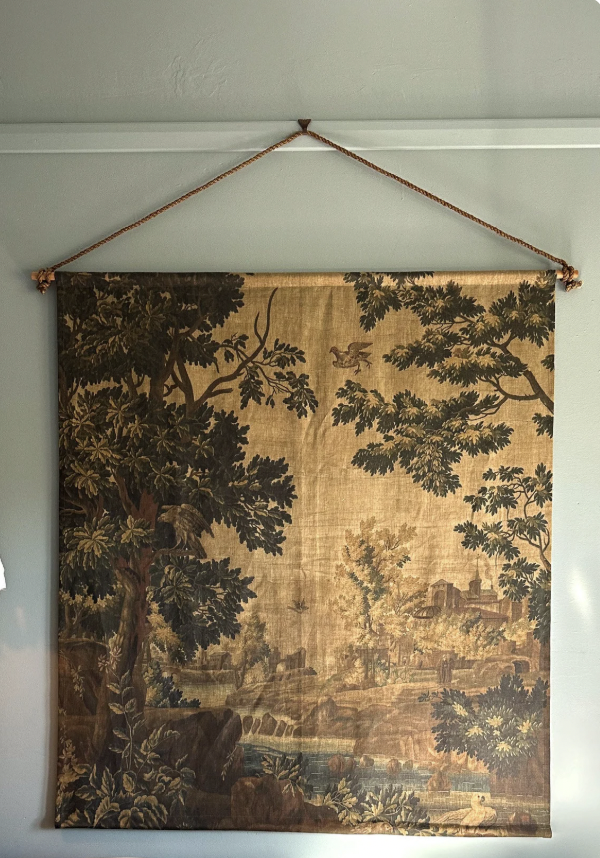
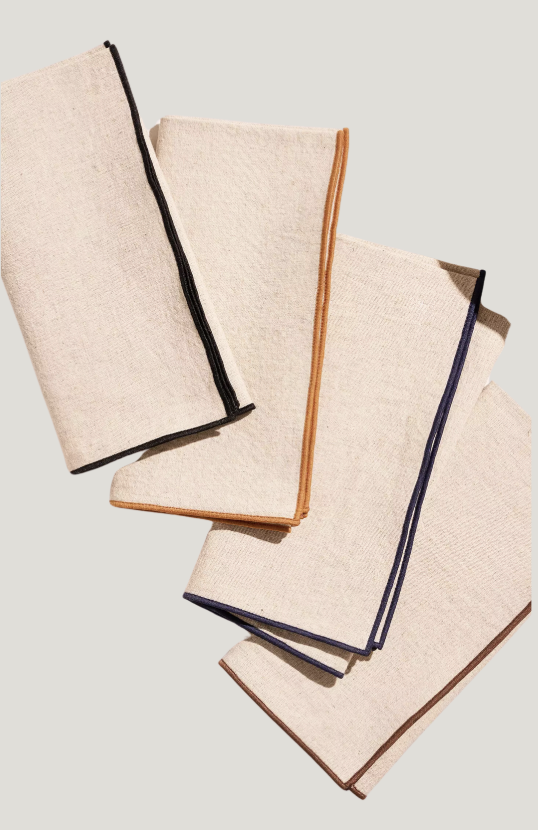
HEMP HOME GOODS + DECOR SELECTS

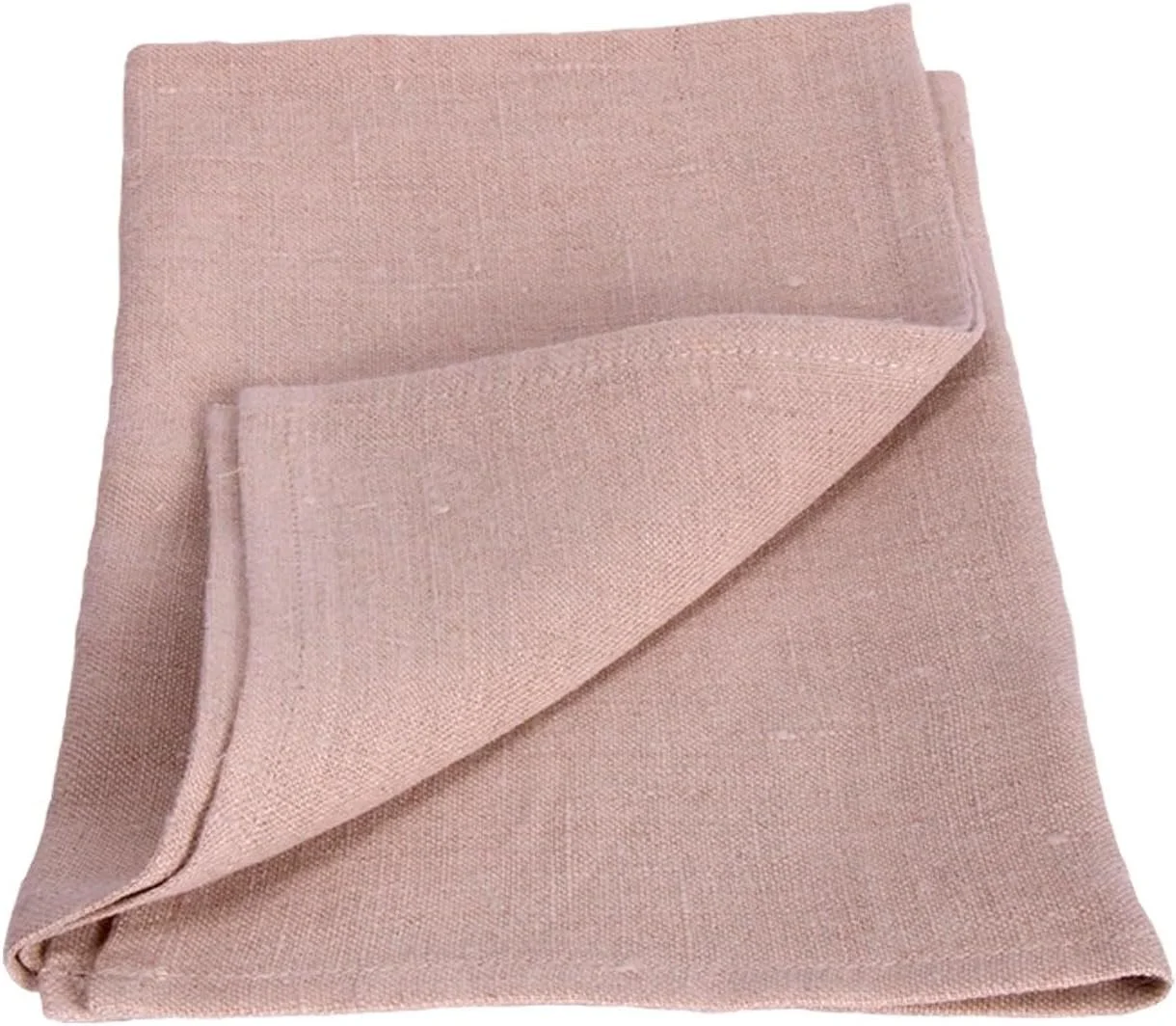
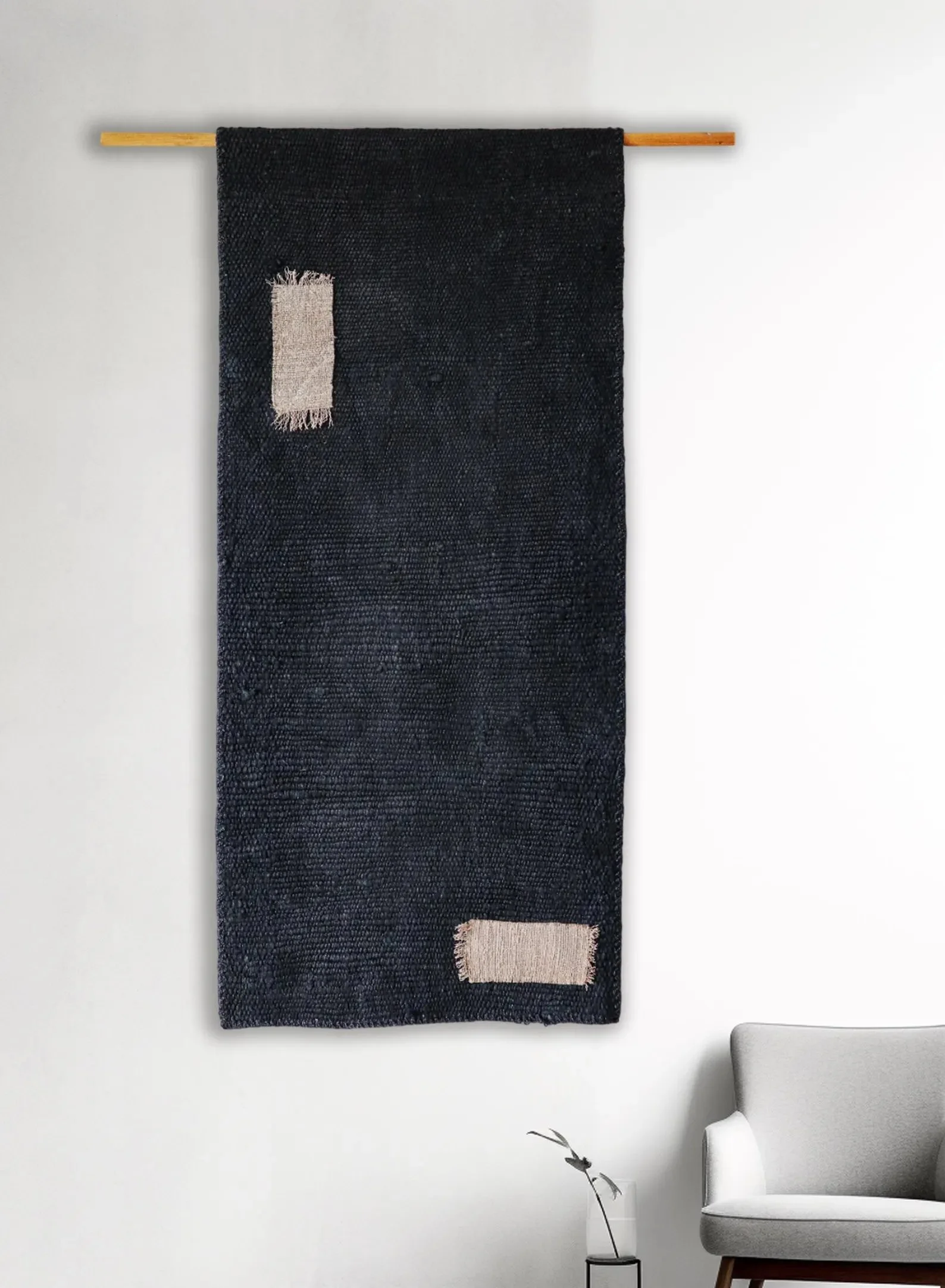

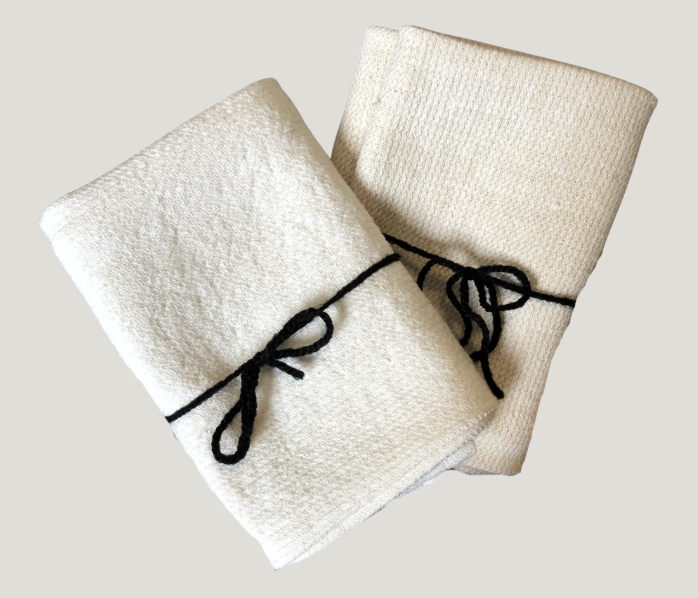
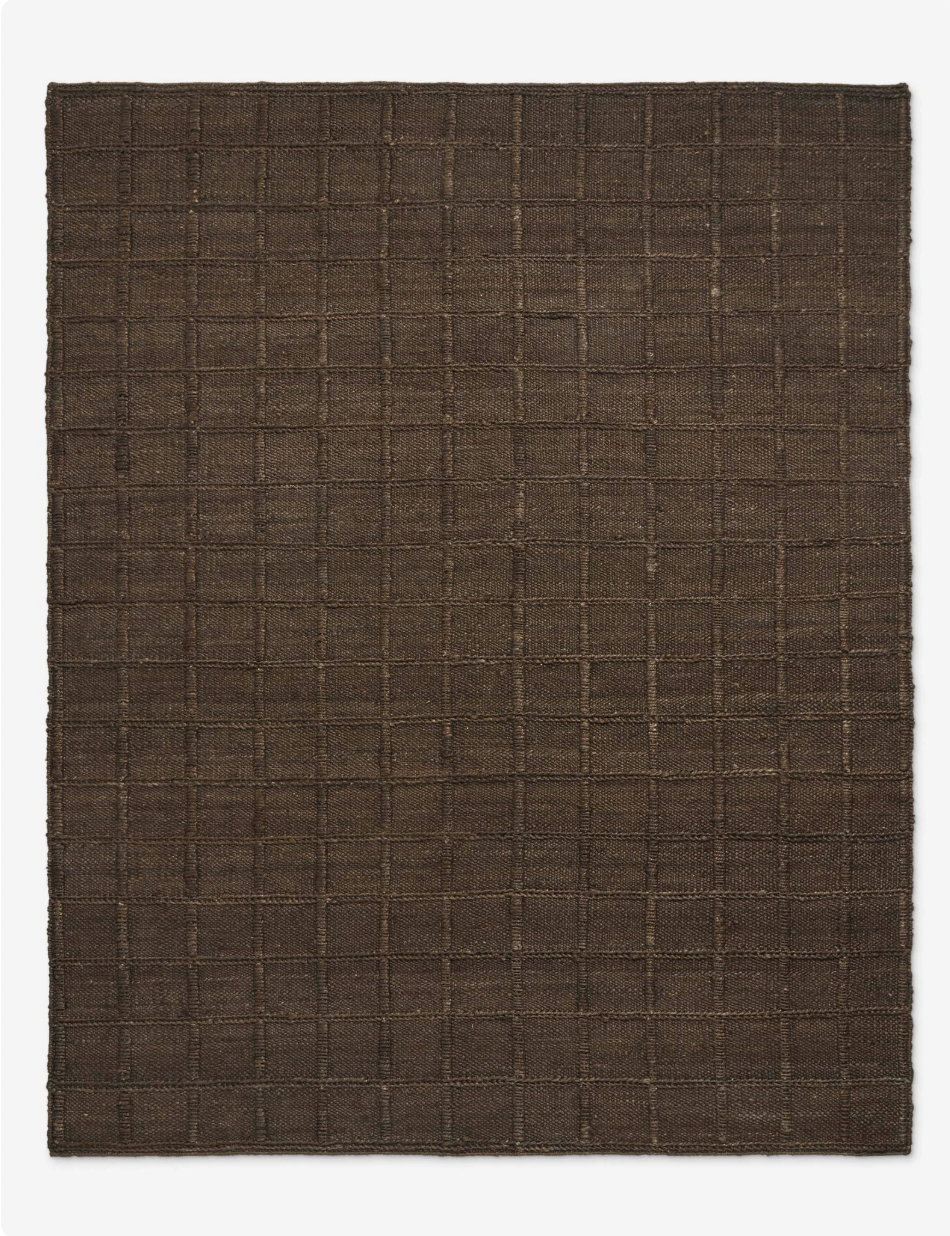
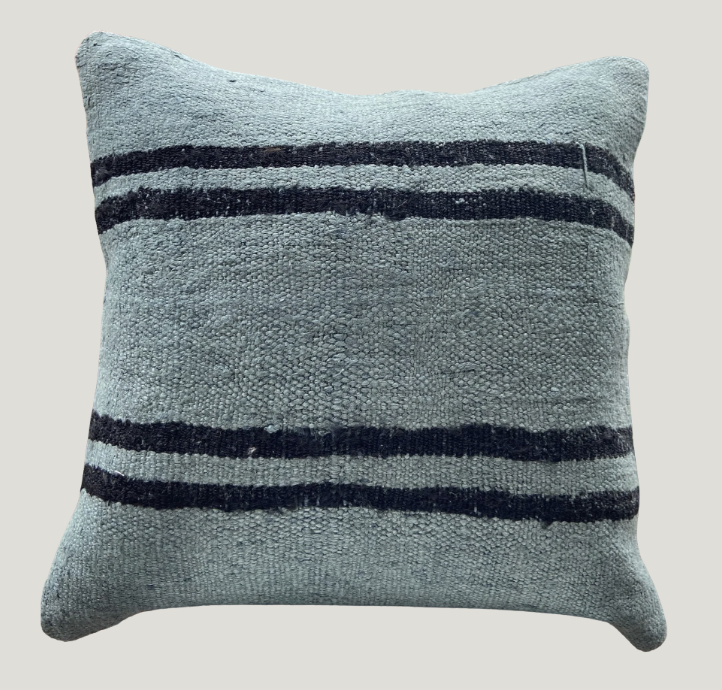
Linen Bedding: Relaxed, Timeless, and Soft from the Start
Linen has earned its place as a classic material for bedding thanks to its effortless texture, natural softness, and visual appeal. It’s looser in weave, which helps regulate temperature, and has a slightly rumpled look that’s beloved for its lived-in feel.
Performance & Everyday Use
Cleanability: Easy to machine wash. Avoid high heat when drying to preserve softness. Linen naturally resists dirt and stains better than many fabrics.
Softness: Already soft on day one, linen continues to improve with use. It becomes smoother and more supple over time without weakening.
Durability: High. Linen is less structured than hemp but still resists wear, especially when cared for properly.
Sustainability: Flax (the plant linen comes from) is water-efficient, pesticide-free, and yields almost zero waste.
Climate Versatility
West Coast: Linen works well in warm, arid environments thanks to its breathability and ability to release heat quickly. Ideal for homes that prefer light layering.
East Coast: Linen’s insulating properties help regulate temperature in seasonal climates — cool in summer, warm when layered in winter. It’s well suited to homes with central heating and seasonal bedding transitions.
Styling Tips
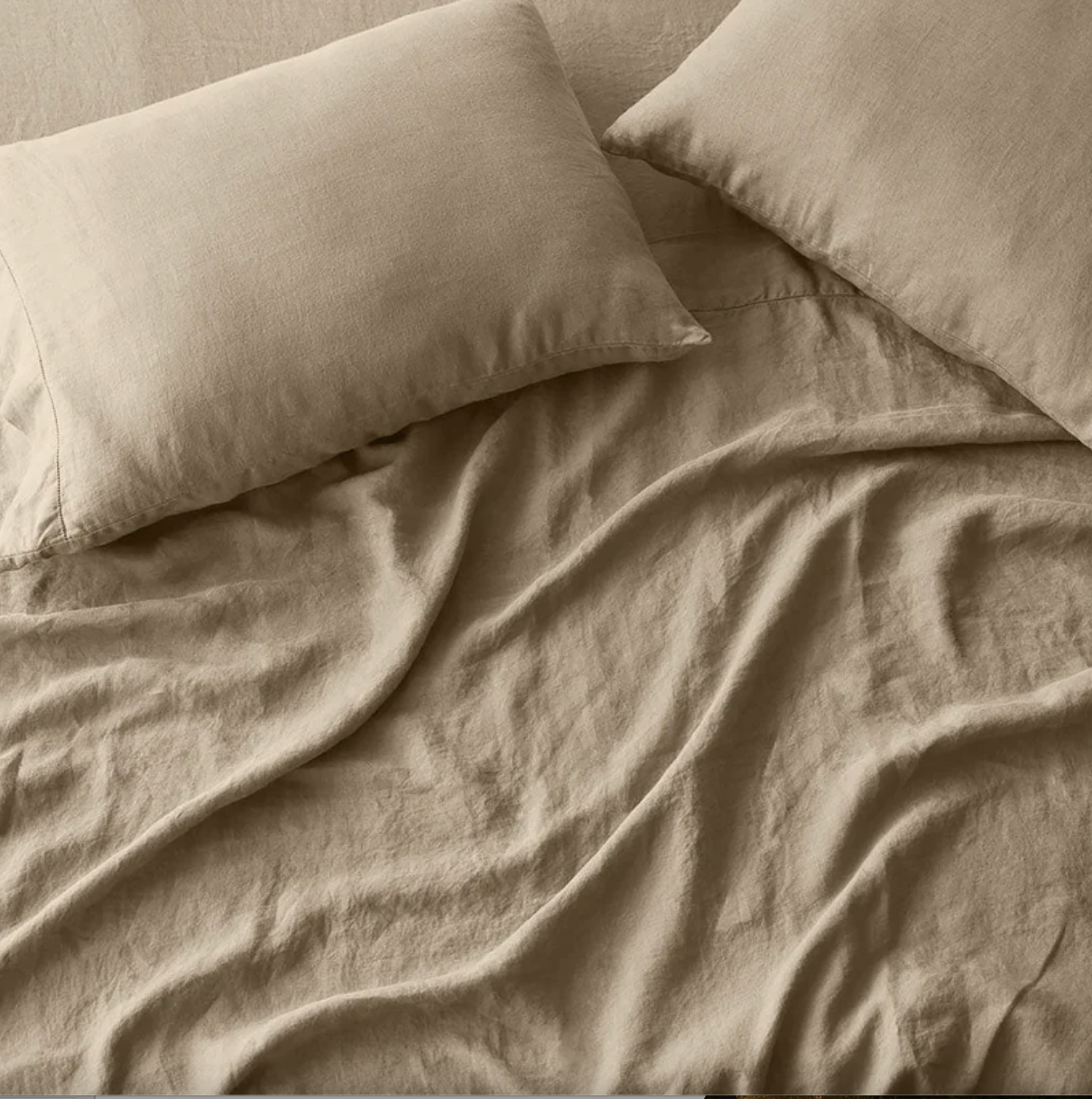
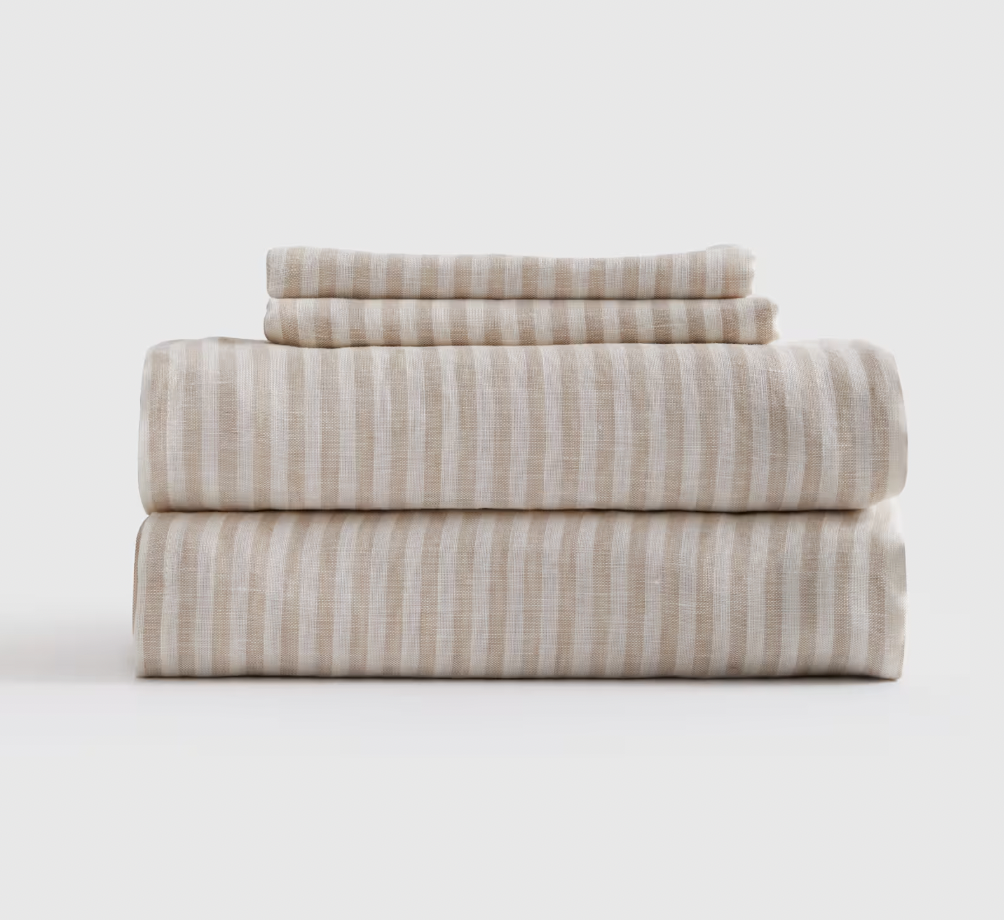
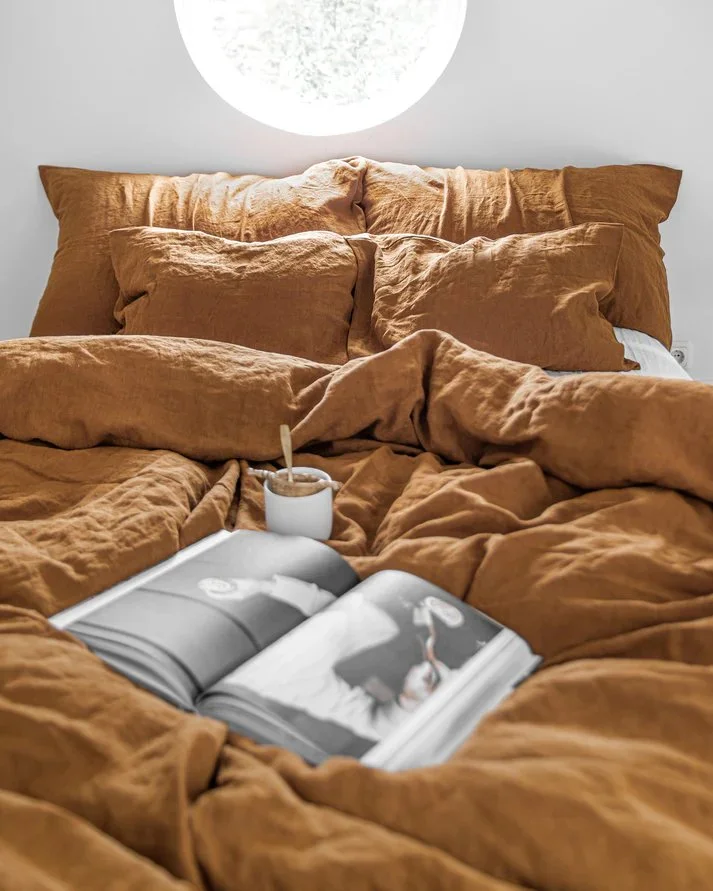
Try rich, desaturated colors like rust, charcoal, or blush for depth, or go layered and tonal with shades of stone, sand, and ivory.
Linen bedding welcomes visual layering. Combine with alpaca throws, velvet cushions, or vintage textiles to create an eclectic but cohesive look.
It also pairs well with reclaimed wood, plaster walls, or patinated metals for a relaxed yet elevated feel.
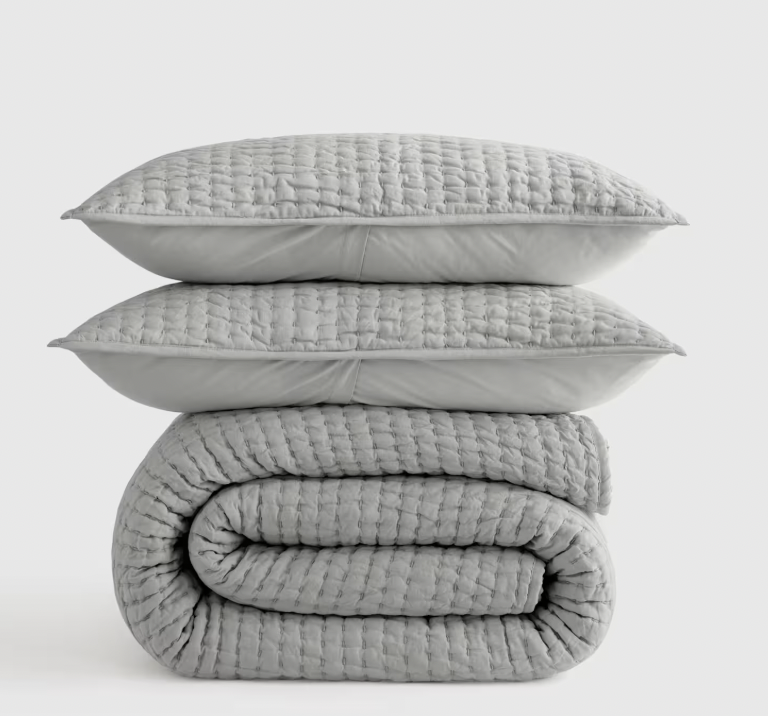
LINEN BEDDING PICKS
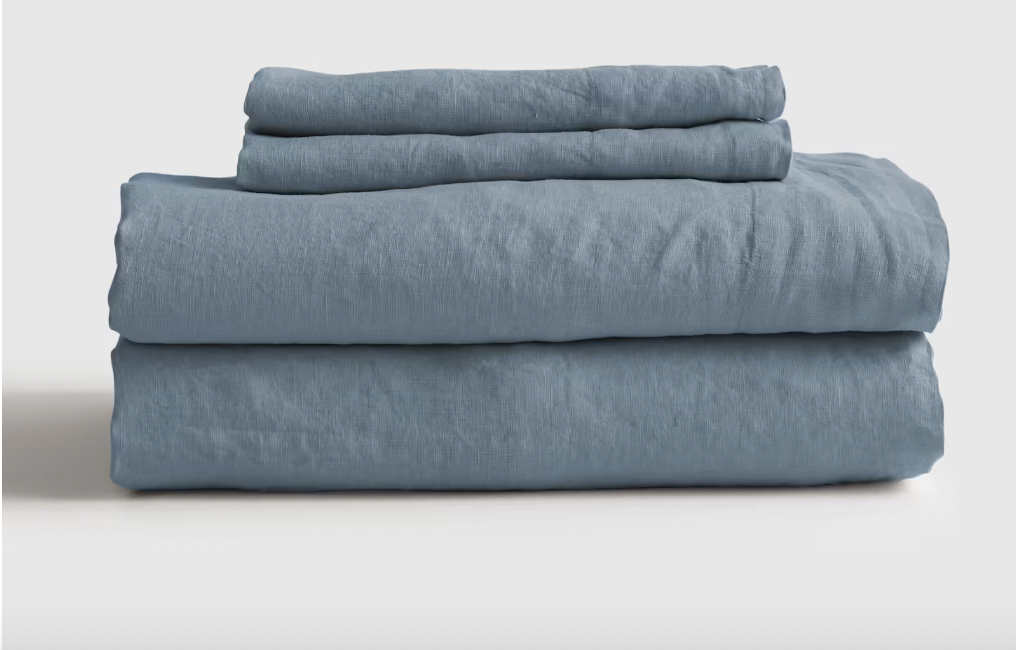
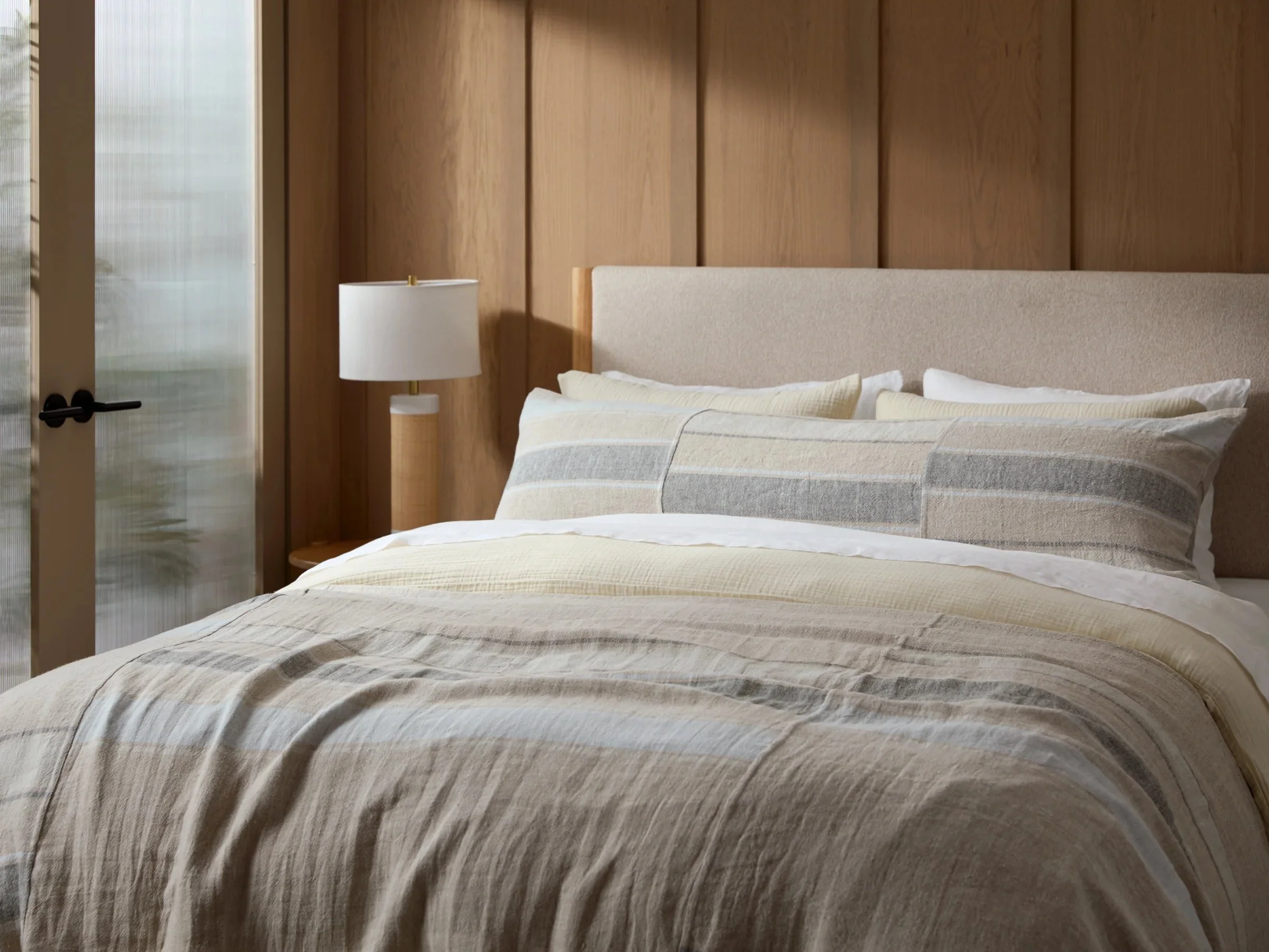
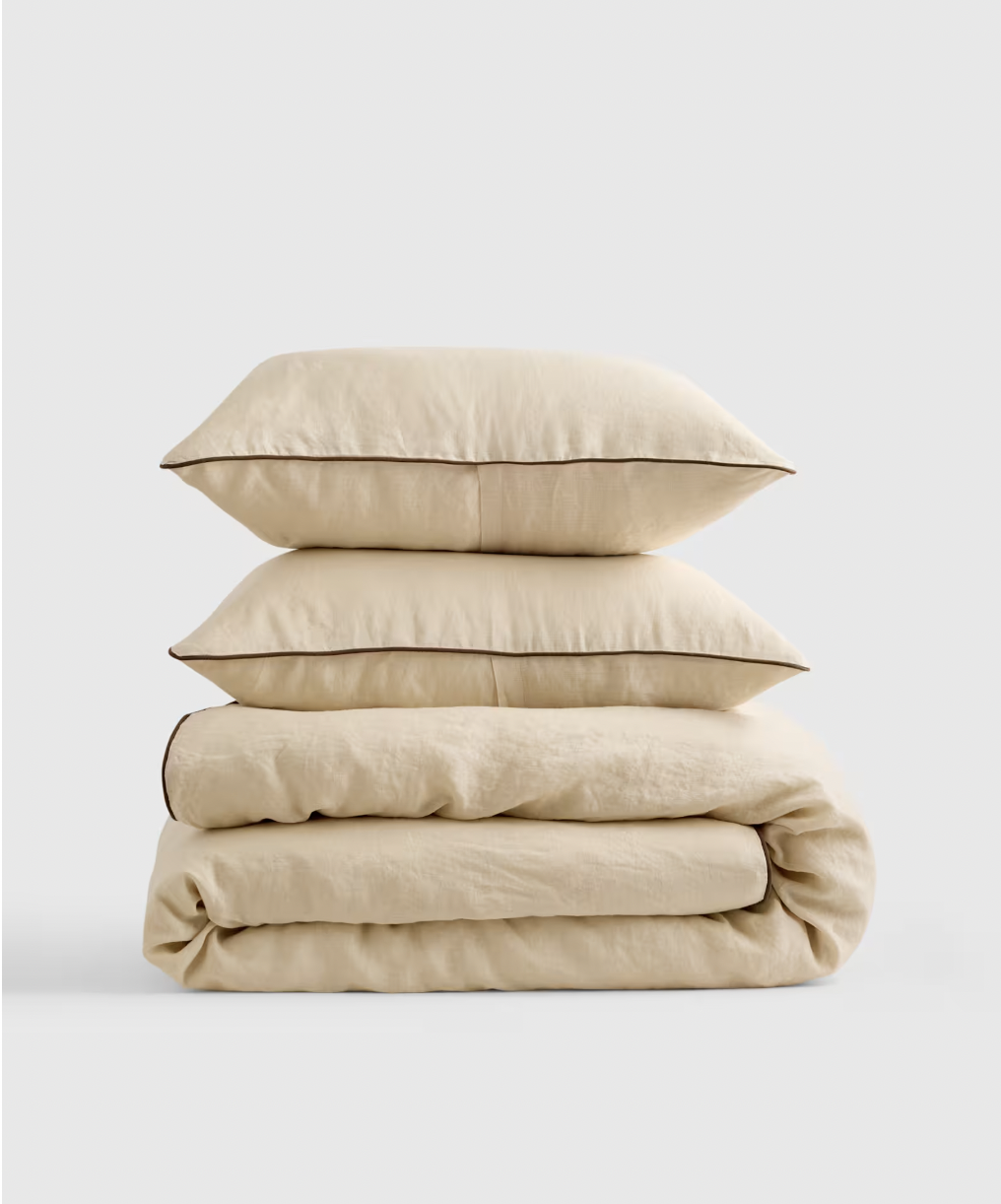
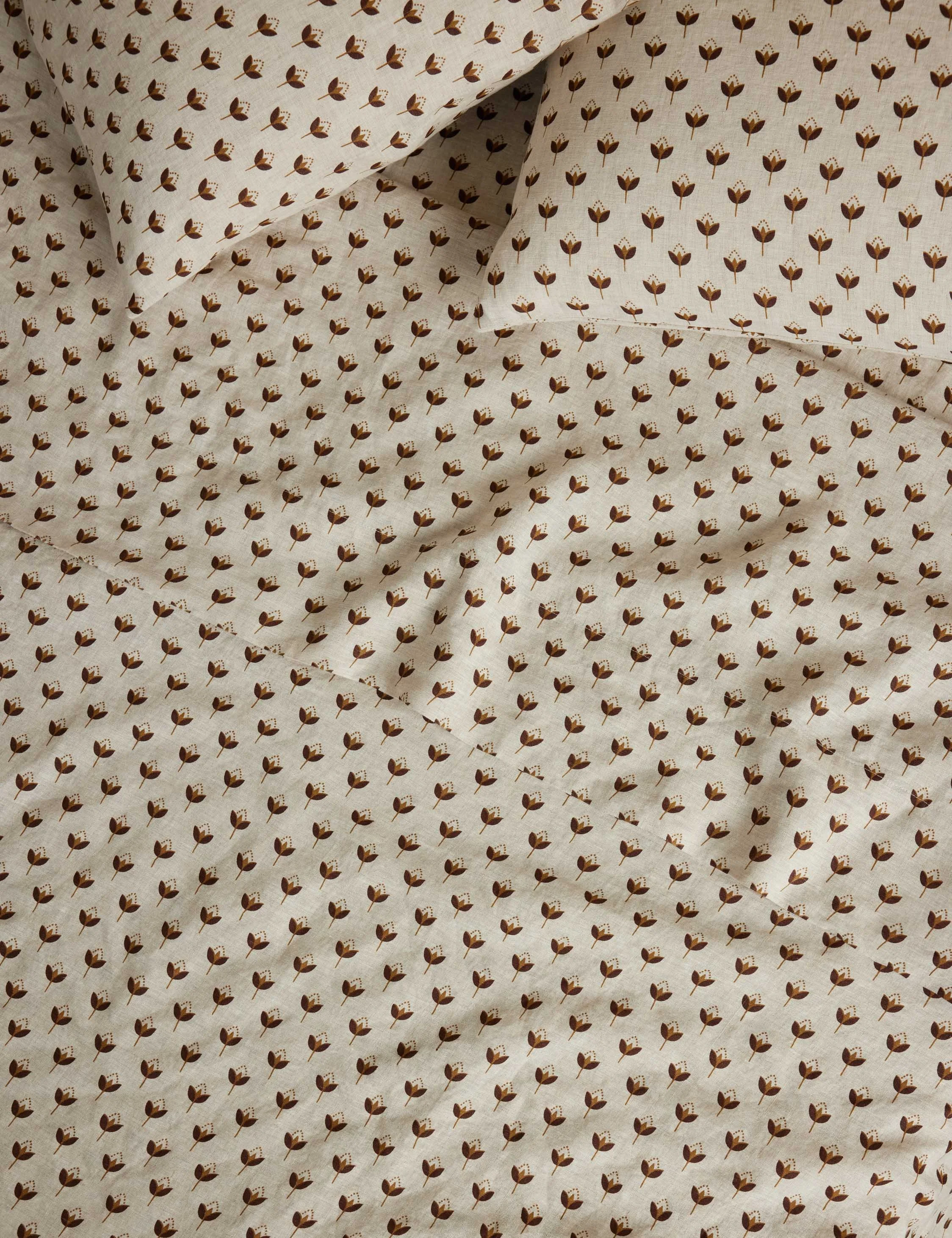
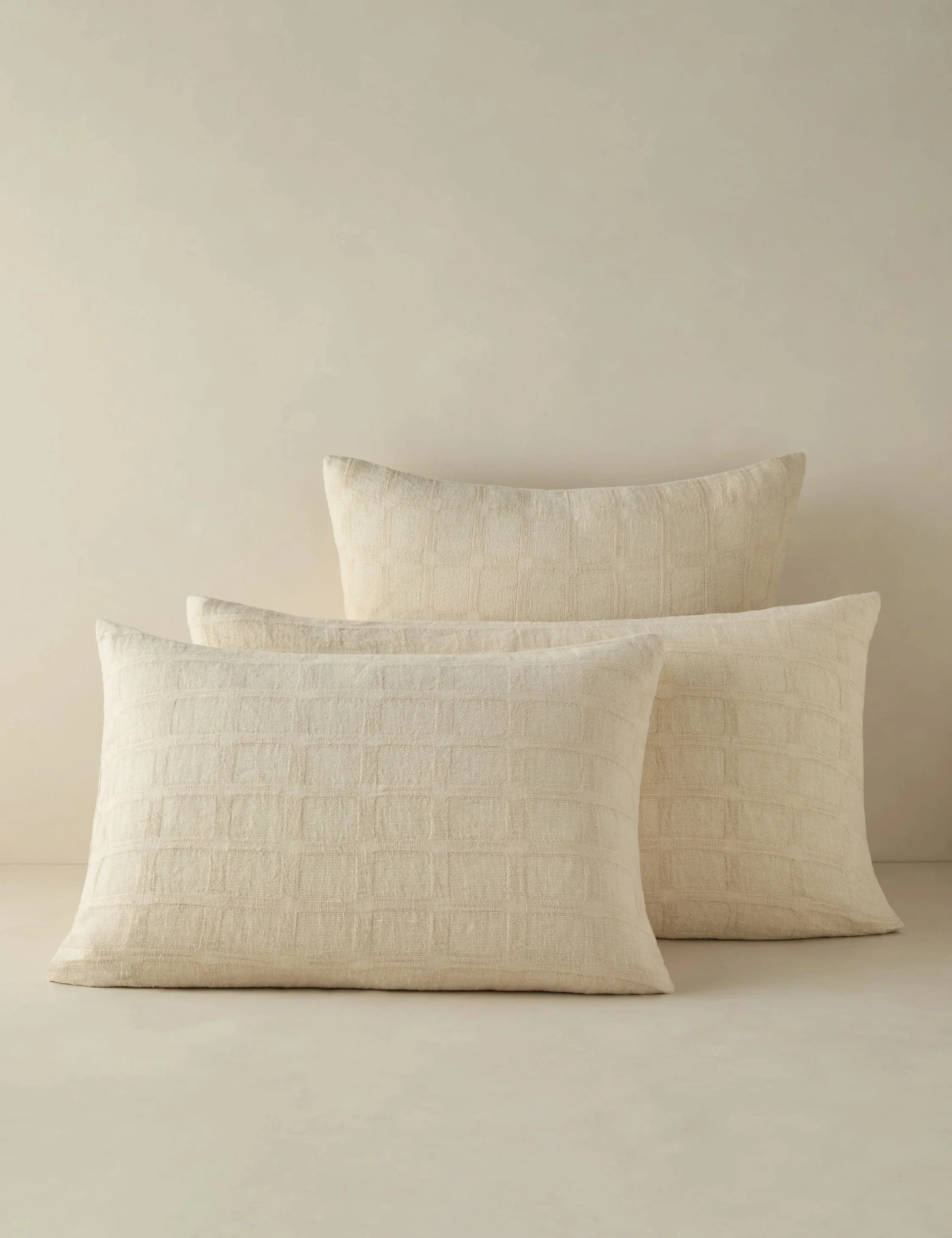
LINEN HOME GOODS + DECOR SELECTS
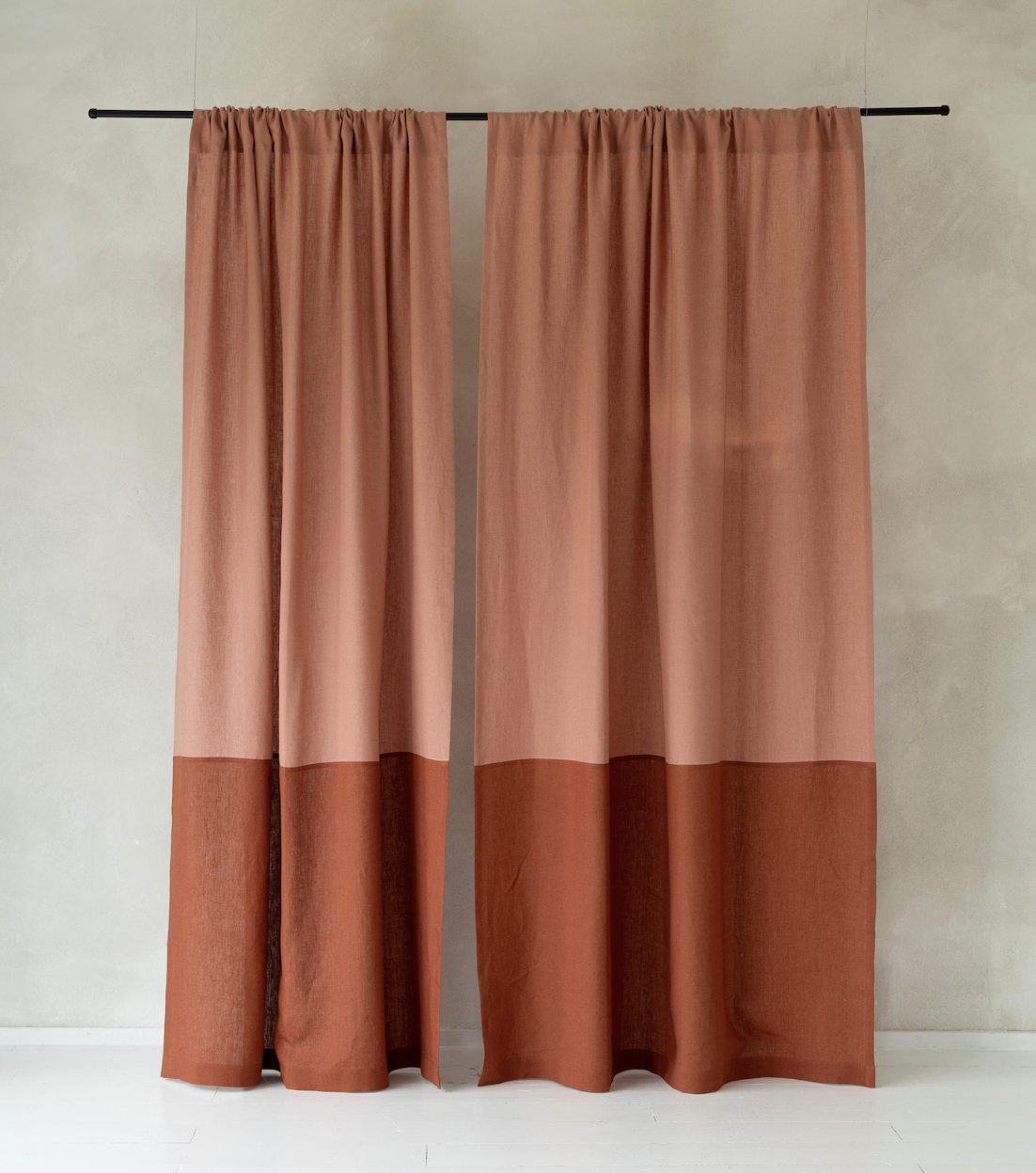

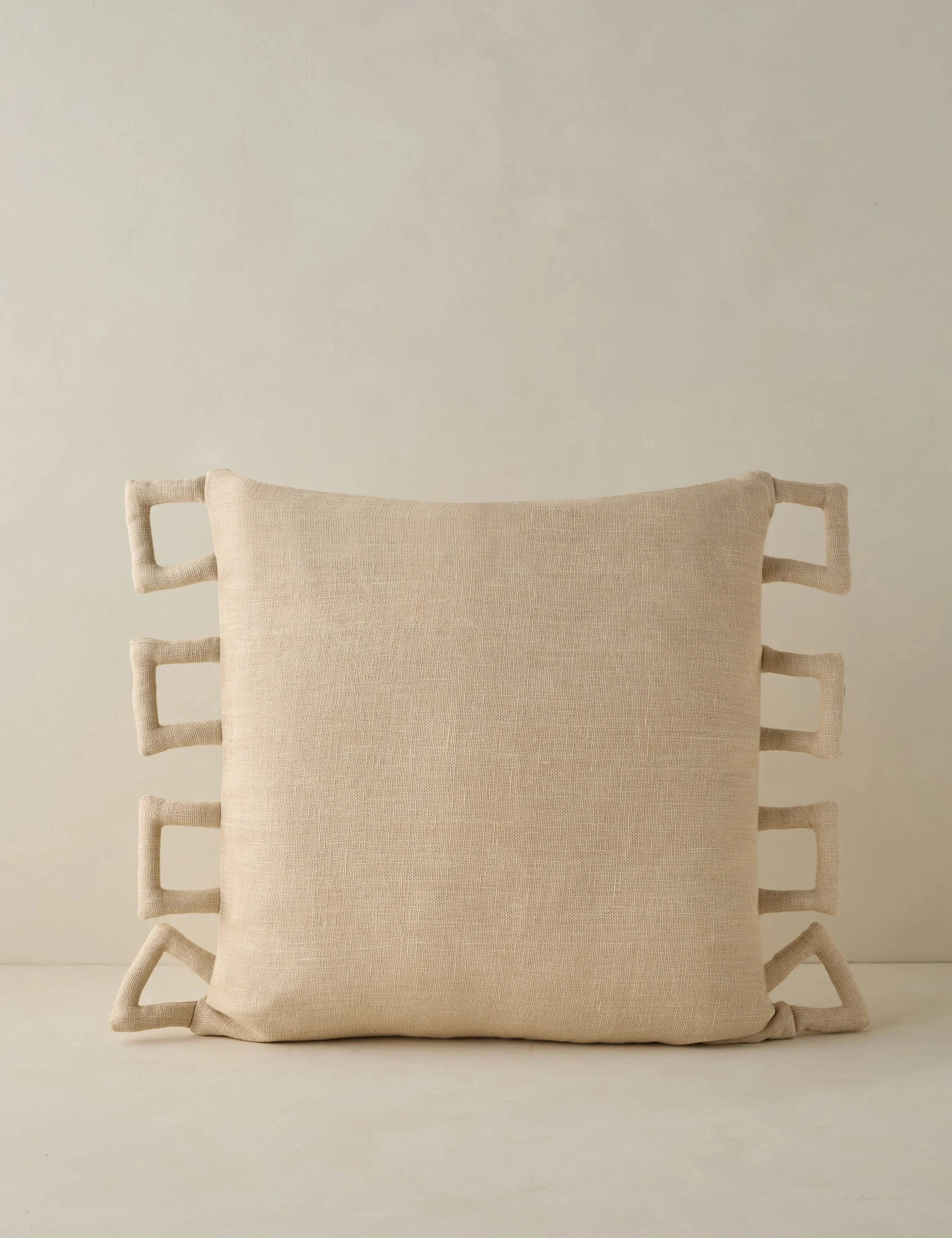
Hemp vs Linen: Which Is Better?
Both hemp and linen are high-performance natural fibers with excellent long-term value — but the right choice depends on your lifestyle, climate, and design sensibility.
Choose Hemp if:
You want bedding that’s structured, tailored, and wears like a performance fabric
You live in a humid or warm environment and want something antimicrobial and moisture-wicking
You prefer materials that soften over time but retain a clean silhouette
You value maximum durability and minimal maintenance
You want one of the most sustainable options available
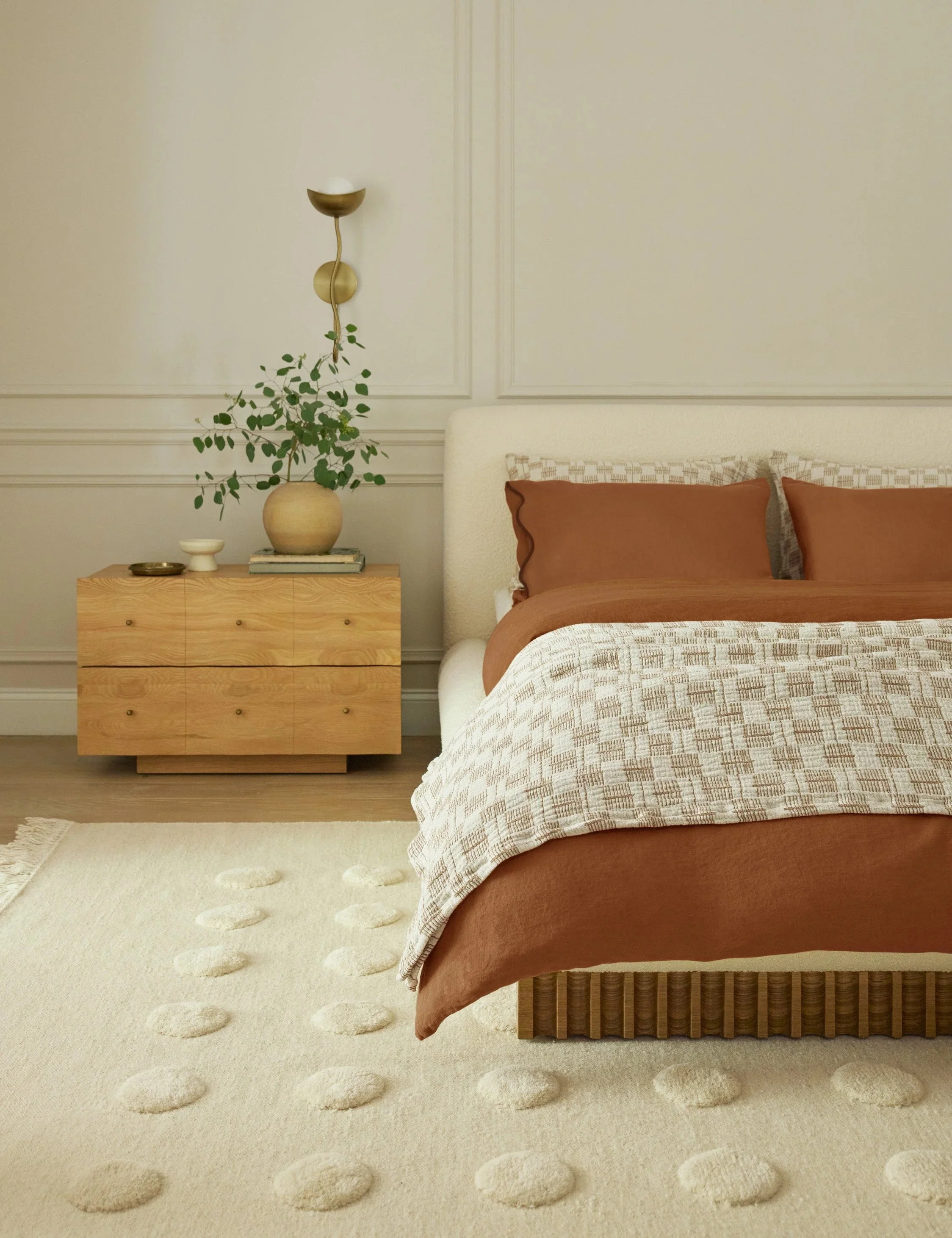
Image Credit: Lulu + Georgia
Choose Linen if:
You love a soft, relaxed hand feel right away
You want bedding that looks effortless and layered, even when undone
You enjoy seasonal styling, especially in colder climates
You prefer a wider color palette and layered, tonal texture
You want a material that ages beautifully and feels increasingly personal over time
Image Credit: SOBU Oakland
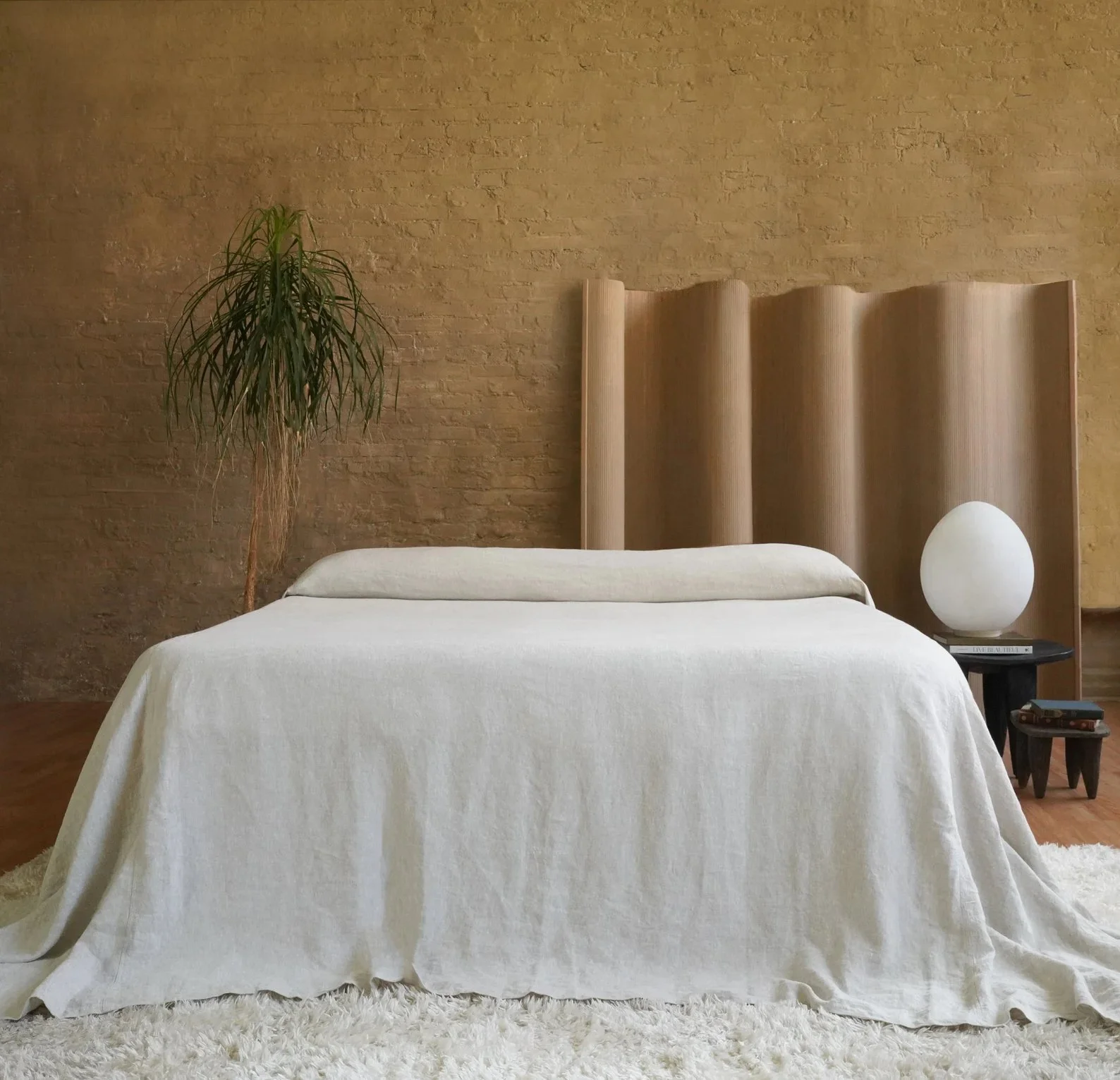
Image Credit: The Linen Haven
Is It Worth The Investment?
Absolutely — for both.
While hemp and linen bedding often come with a higher up-front cost, they outlast conventional options by years. They improve with wear, support healthier sleep environments, and contribute to a slower, more intentional design philosophy.
Long-Term Value Looks Like:
Fewer replacements over time
Better temperature regulation and breathability
Cleaner sleep environments with antimicrobial benefits
A more cohesive and elevated bedroom design
A material choice aligned with eco-conscious living
At Studio Henree, We Design for the Long Term
Every textile, material, and finish chosen for a space should contribute to how that space supports real life. Bedding isn’t just a styling moment — it’s a functional foundation for comfort, wellness, and daily rituals.
At Studio Henree, bedding recommendations are based on how materials clean, wear, and age. Whether sourcing for a primary bedroom or styling a guest suite, we believe in investing in fewer, better pieces that are both beautiful and built to last.
Looking to refine your space with natural materials that elevate the everyday?
Studio Henree offers full-service interior design and curated design consultations for material selection, sourcing, and styling across the home.
Schedule a consultation or explore curated finds on our Chairish storefront.

Image Credit: Jake Arnold