
What Makes Spaces Feel Mentally Draining?
The Subtle Design Choices That Affect Stress, Focus, and Everyday Well-Being
There’s a reason some homes instantly make the shoulders drop while others somehow leave people feeling overstimulated before the coffee even finishes brewing.
And no, it’s not always about square footage, budget, or whether the home looks expensive.
Some of the most visually beautiful interiors can still feel mentally exhausting.
That’s because beauty and comfort are not always the same thing.
A room can photograph beautifully and still feel cold. Loud. Chaotic. Flat. Uncomfortable. Weirdly stressful for reasons that are difficult to explain but impossible to ignore.
On the other hand, some homes have a quiet confidence about them. They feel grounded. Regulating. Restorative. Effortless. Like the nervous system finally got permission to stop running background tasks for five minutes.
That feeling is not accidental.
Interior design impacts far more than aesthetics. The environments people spend time in directly influence stress levels, focus, sleep quality, emotional regulation, and overall well-being. As conversations around wellness continue to evolve, people are becoming increasingly aware that beautiful spaces aren’t always supportive spaces.
And honestly? About time.
Because somewhere along the way, many interiors became more focused on being photographed than actually being lived in.
Why Our Environments Matter More Than Ever
Today’s environments are being asked to do more than ever before.
For many people, a single space may function as:
an office
a gym
a recovery space
a place to connect with others
a wellness retreat
a place to decompress from constant digital stimulation
The expectations have changed. The way we design spaces should change too.
Whether it’s a home, office, hotel, restaurant, or co-working space, the environments we spend time in have a greater influence on how we feel than many people realize. Lighting, acoustics, layout, material selections, and visual clutter can quietly affect stress levels, focus, comfort, and overall well-being throughout the day.
The result? Spaces that may look beautiful on paper but don’t always feel good to occupy.
And contrary to popular belief, adding more stuff rarely fixes the problem.
Another boucle chair is not the answer.
Some people notice this most when traveling. You check into a thoughtfully designed hotel, boutique Airbnb, or wellness retreat and immediately feel calmer. You sleep better. You exhale more deeply. Then you return home and suddenly notice how visually loud, cluttered, echoey, or overstimulating your own environment feels.
That contrast is usually not accidental.
The best hospitality spaces are intentionally designed around sensory experience. The lighting is softer. The acoustics are controlled. The materials feel intentional. There’s a clear sense of hierarchy and ease.
In other words, they aren’t trying to impress you from every angle.
They’re designed to make people feel good while they’re there.
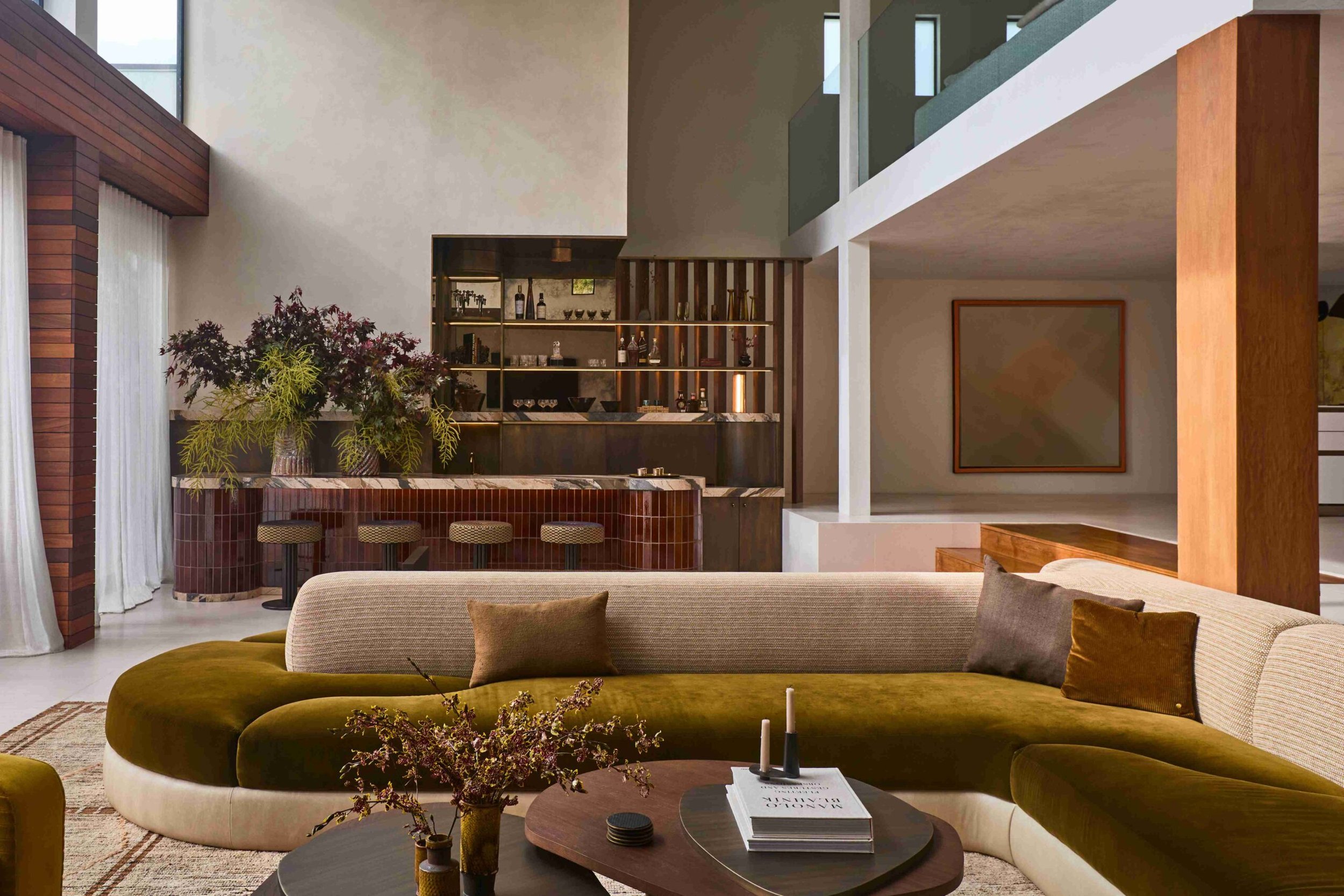
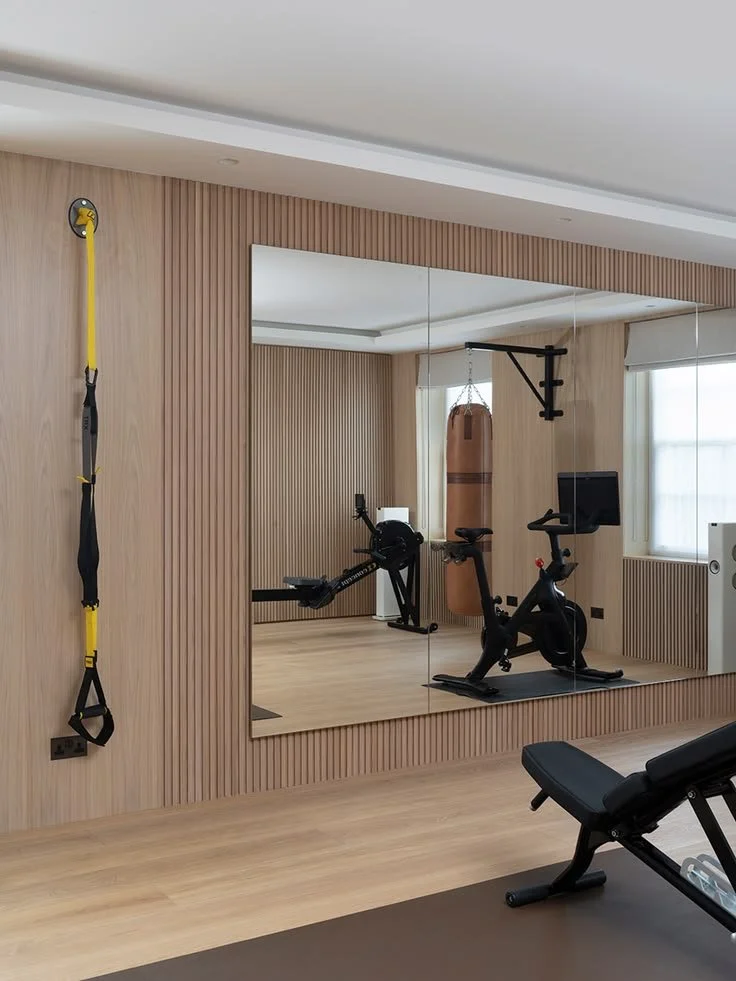
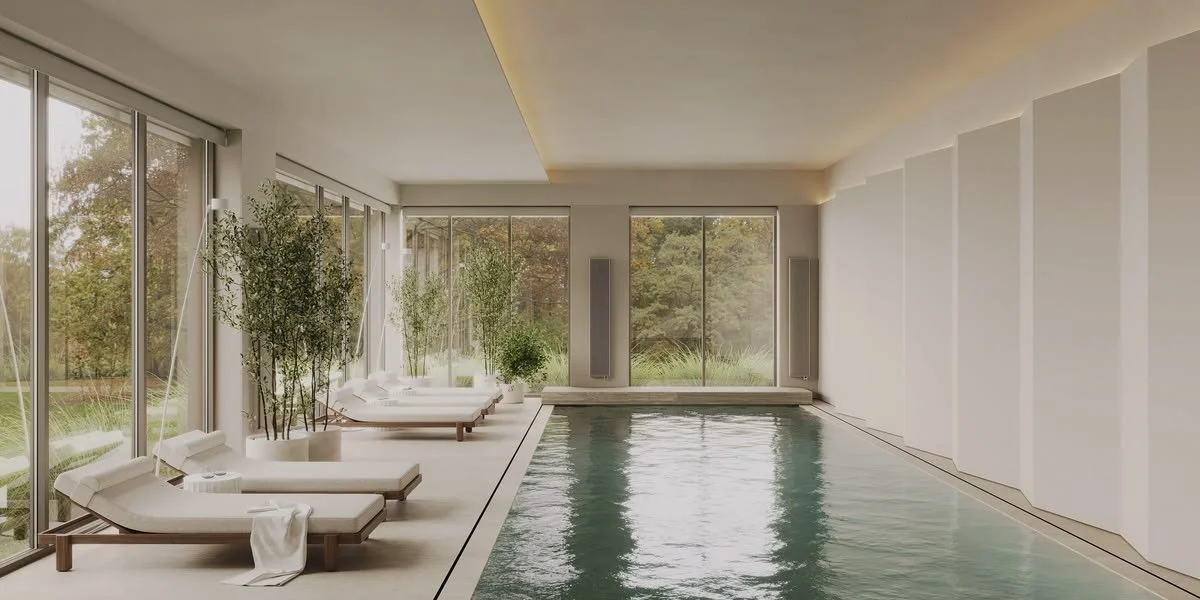
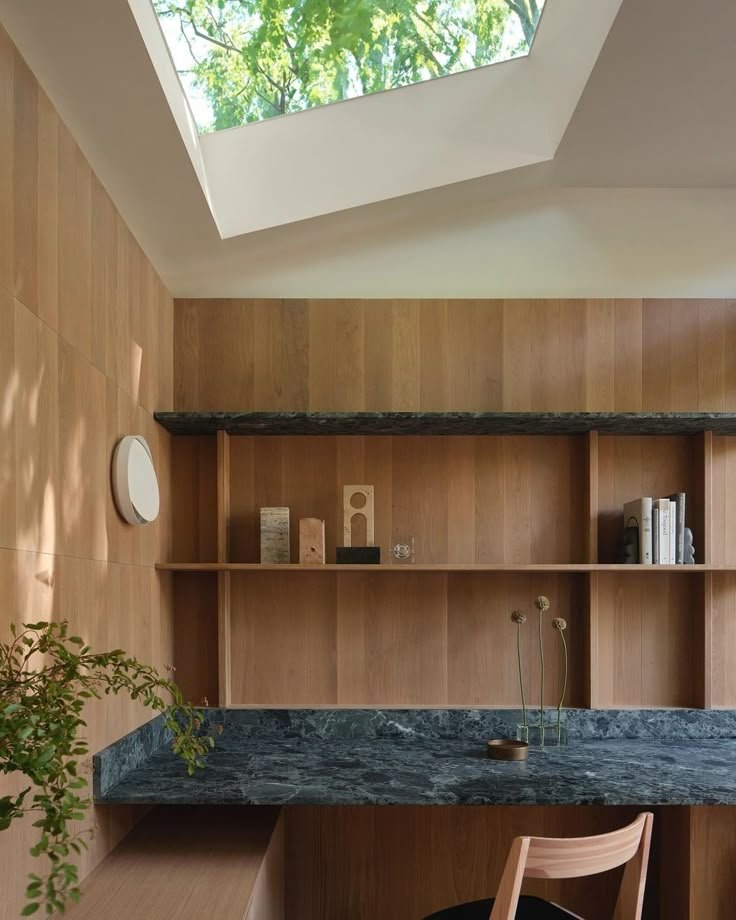
There usually isn’t one singular issue. It’s often a layering of subtle environmental stressors that accumulate throughout the day.
1. Too Bright, Too Dim or Just Wrong
Lighting is one of the biggest contributors to how a space feels emotionally.
Yet it’s often treated as an afterthought.
People will spend months agonizing over paint colors, countertops, and furniture selections, then illuminate the entire room with a single overhead light and call it a day.
Overly bright recessed lighting can make a home feel clinical and overstimulating, especially at night when the body naturally craves softer cues that signal it’s time to wind down. On the opposite end, poor lighting placement can leave spaces feeling gloomy, disconnected, or lifeless.
One overhead light in the middle of the room?
Straight to jail.
The most calming homes typically layer:
ambient lighting
task lighting
decorative lighting
dimmers
warmer color temperatures
indirect light sources
Because good lighting isn’t just about visibility. It’s about atmosphere.
Unpopular opinion: not every room needs to be bright enough to perform surgery.
In fact, we rarely recommend anything over 3000K in residential spaces unless the goal is operating room energy. 3500K is already starting to push the envelope.
That said, the opposite extreme isn’t much better.
We’ve all been in that restaurant, hotel, or powder room where the lighting is so dim you can barely locate the toilet paper, let alone attempt a makeup touch-up in the mirror.
A softly lit living room creates ambiance.
A poorly lit bathroom creates trust issues.
Good lighting isn’t about making everything brighter or darker. It’s about putting light where people actually need it.
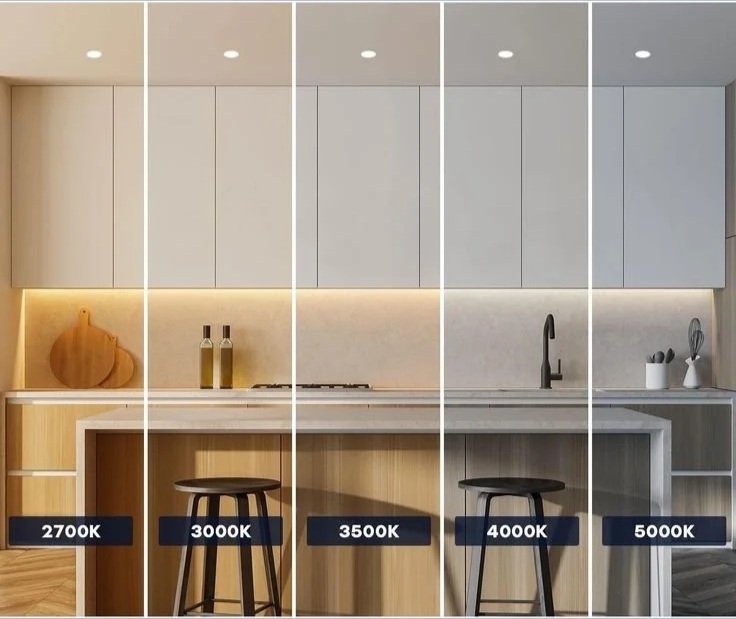
Image via Pinterest
See our previous blog post: Let’s Get Lit: Tips for Mastering Statement Lighting
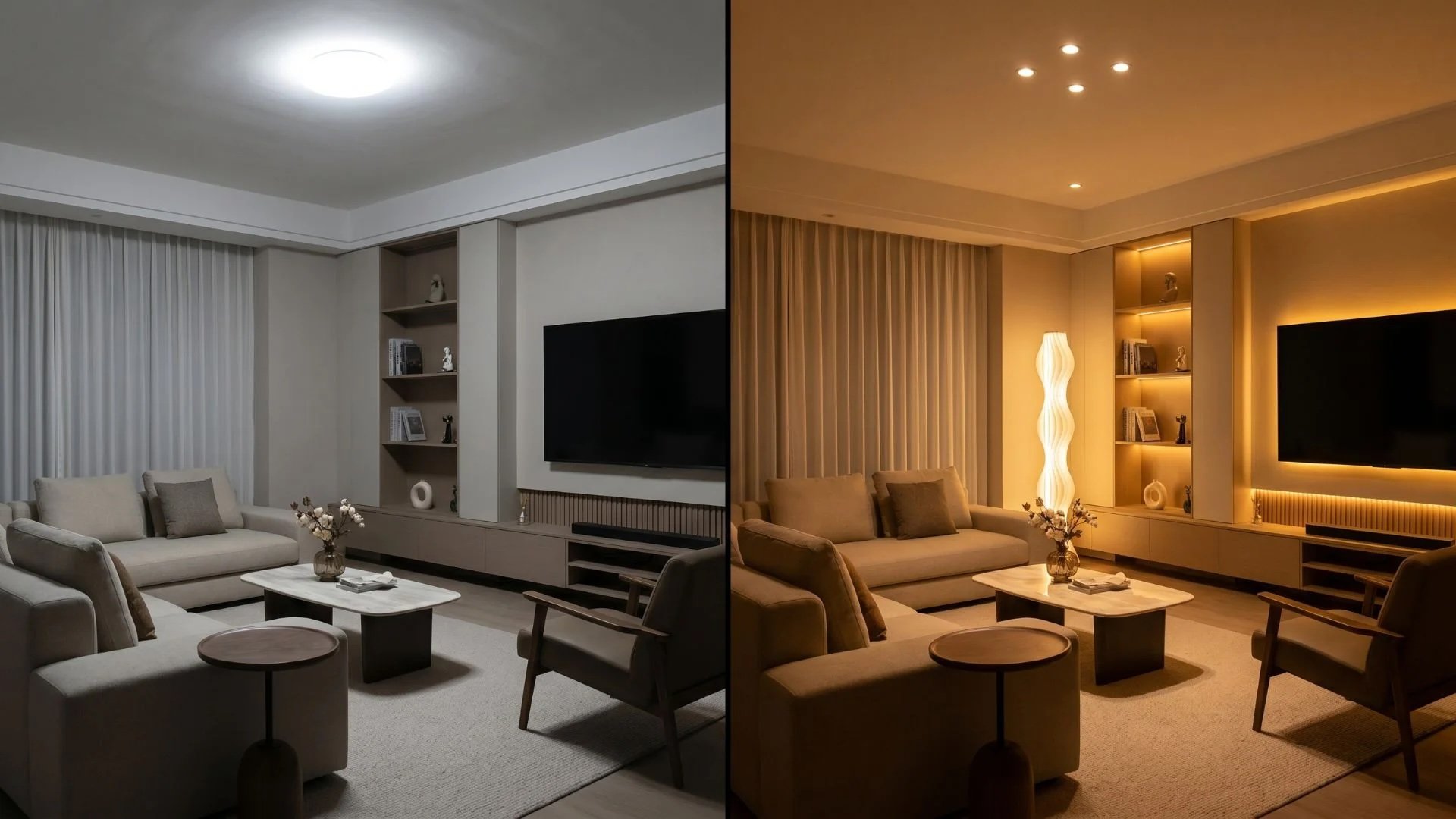
Image via Premious
Disclaimer: I do not agree with this lighting layout, but you get the idea ;-)
2. Visual Clutter + Overstimulation
Not all clutter is physical.
Visual noise can come from:
excessive contrast
too many materials competing for attention
busy sightlines
poor storage planning
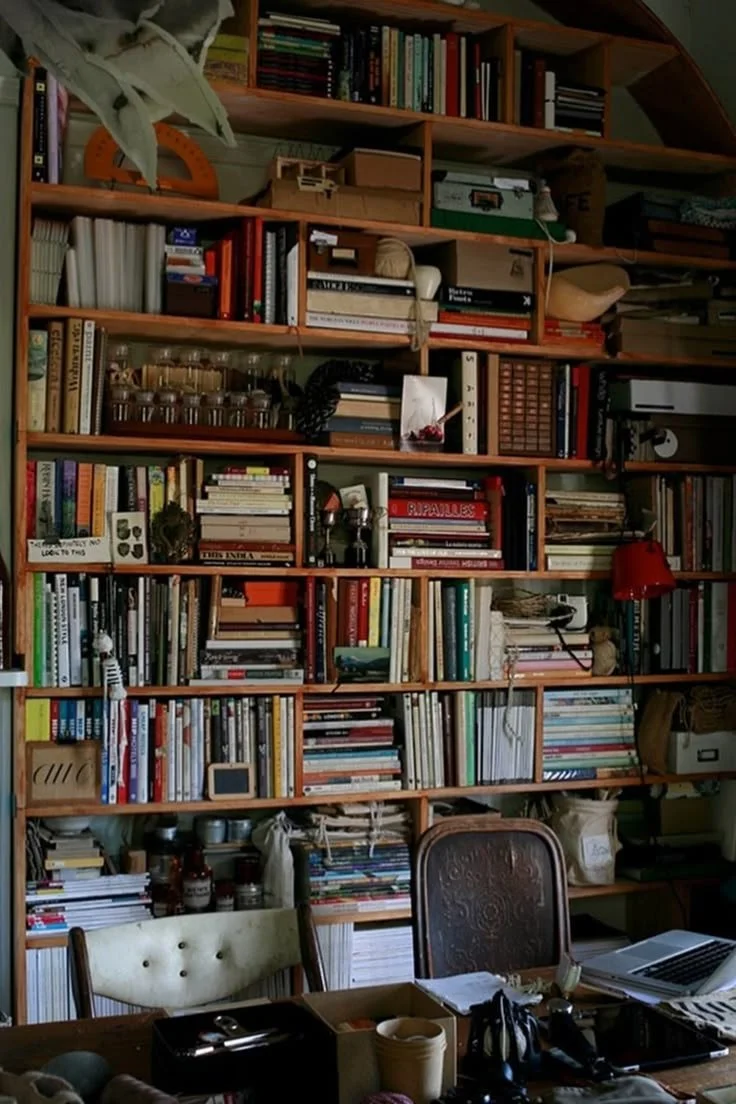
excessive open shelving
oversized furniture
too many decor moments happening at once
Some homes feel like every corner is yelling.
The most luxurious interiors rarely demand attention from every direction. They feel quieter. More intentional. There’s breathing room between elements and a clear visual hierarchy that allows the eye to settle rather than constantly search for where to look next.
That doesn’t mean minimal.
And it definitely doesn’t mean sterile.
It means balanced.
A space should not feel like it’s auditioning for social media 24 hours a day.
Interestingly, many people experience this in trendy restaurants, boutique hotels, or heavily styled Airbnb spaces. They photograph beautifully online but feel surprisingly exhausting after an hour or two in person.
Why?
Because the brain is processing more information than it needs to.
Every shelf is filled. Every surface is styled. Every corner contains another vignette. It’s like listening to ten conversations at once and trying to focus on just one.
The result is a space that feels visually busy, even if you can’t immediately identify why.
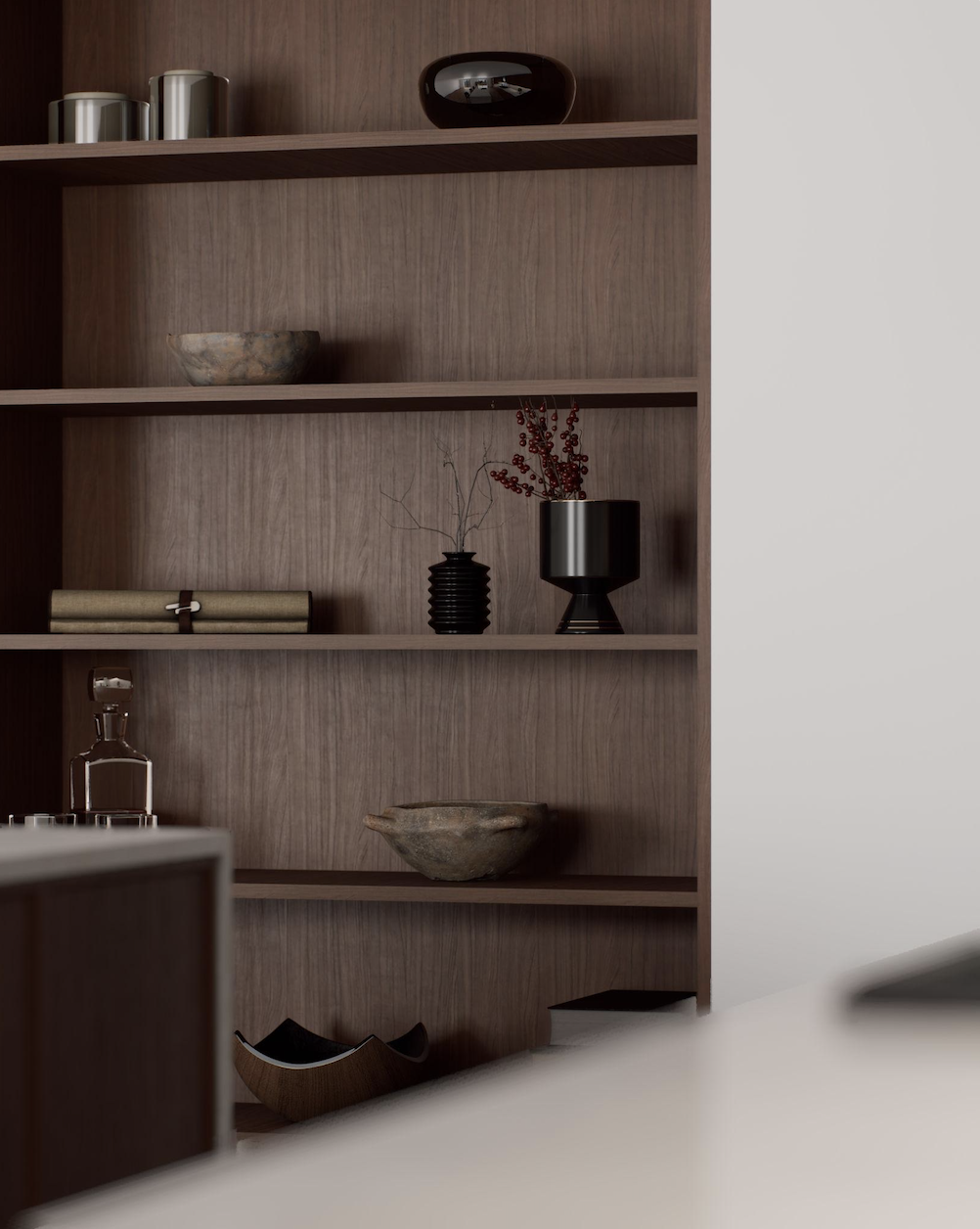
Unpopular opinion: not every empty surface is a missed opportunity.
Sometimes the most sophisticated design decision is knowing when to stop.
Beautiful spaces should still leave room for the brain to rest.
3. Poor Acoustics
This is one homeowners, and many business owners, massively underestimate.
Echoing spaces, loud HVAC systems, hard surfaces everywhere, poor insulation, or large open rooms without softness can create constant low-grade sensory stress.
Acoustics influence:
concentration
sleep
nervous system regulation
conversation quality
overall comfort
There’s a reason luxury hotels prioritize acoustic control so heavily.
Some of the most calming interiors incorporate:
drapery
rugs
plants
upholstered furnishings
acoustic wall treatments
plaster finishes
millwork
softer material layering
Ever walked into a restaurant, office space, or Airbnb that looked gorgeous online, only to find yourself leaning across the table to hear the person sitting directly in front of you?
Every conversation blends together. Chairs scrape across the floor. The espresso machine hisses. Someone opens their laptop three tables away and suddenly every keystroke sounds like a miniature drum solo.
Visually captivating? Maybe.
But acoustically, it’s giving conference room.
Often, the issue isn’t the design itself, it’s the acoustics. Hard surfaces like concrete, glass, stone, and metal reflect sound rather than absorb it, allowing noise to bounce throughout the space. Without softer materials to dampen sound, even a relatively quiet room can feel surprisingly loud.
The body notices this long before the brain consciously identifies the problem. You may feel distracted, overstimulated, restless, or oddly eager to leave without fully understanding why.
Some spaces invite people to linger.
Others make people want to chug their coffee and get out of there.
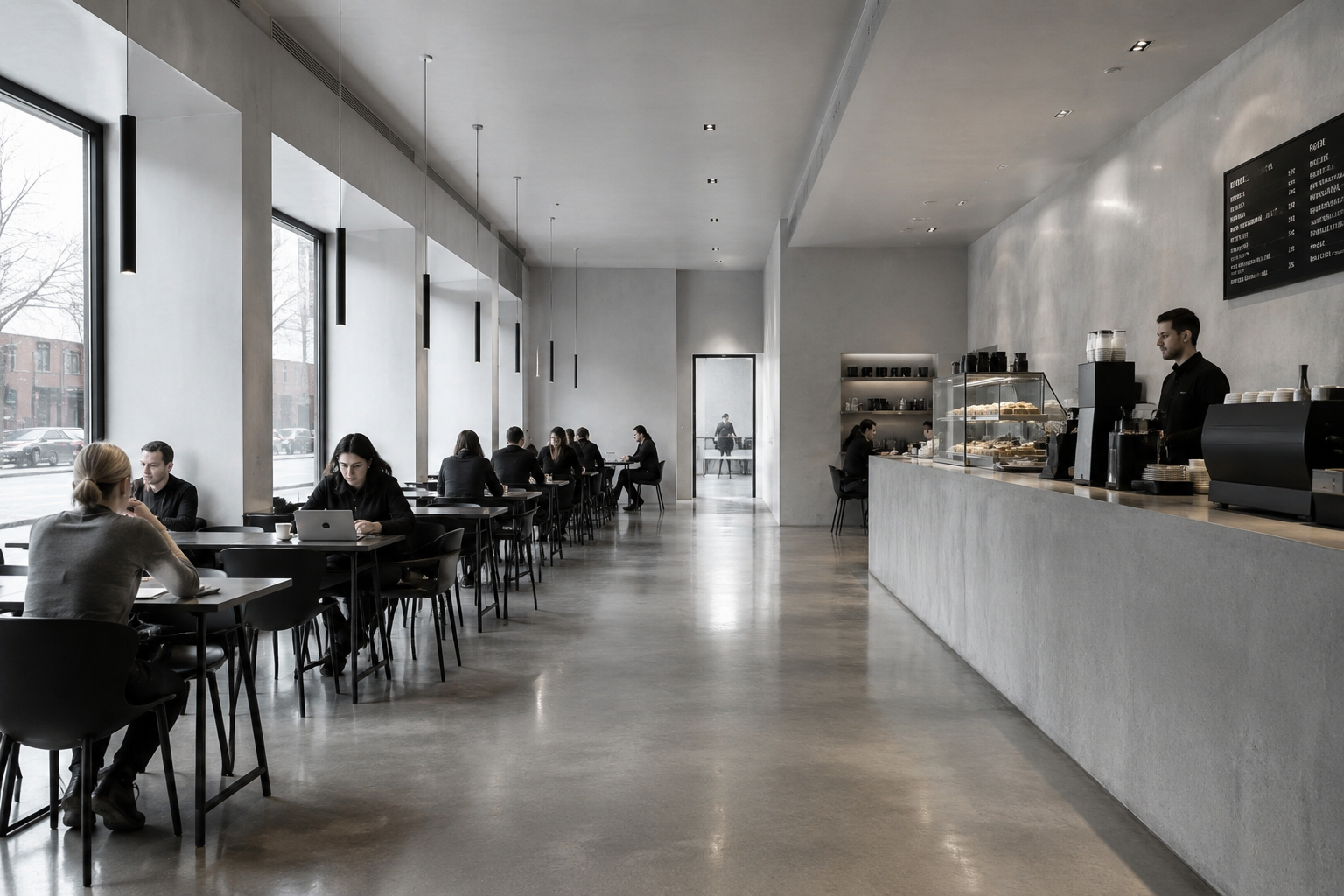
Image via AI
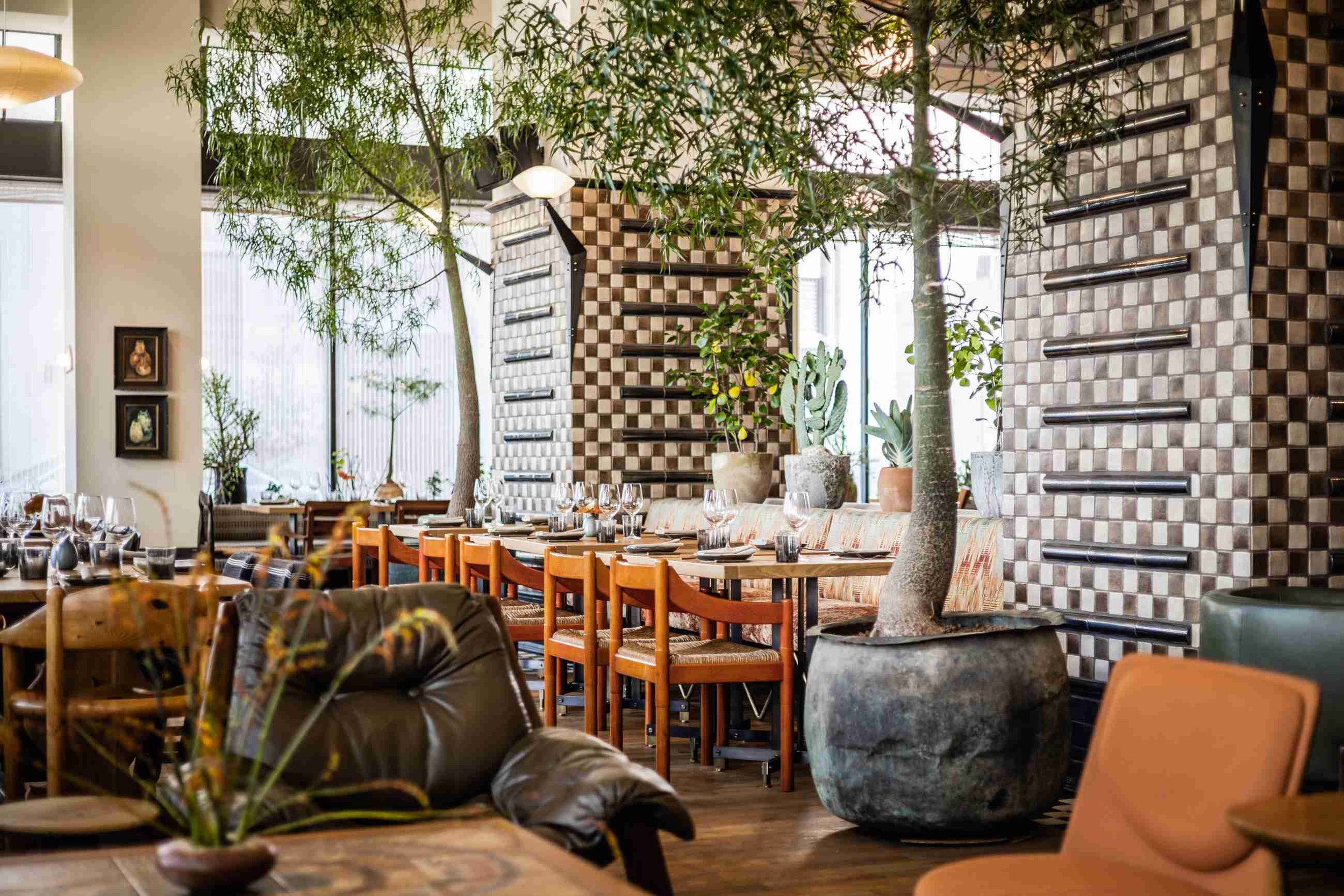
Image via Downtown LA Proper Hotel
4. Beautiful, But Annoying
A beautiful space that functions poorly becomes mentally exhausting very quickly.
And unfortunately, no amount of expensive furniture can fix a bad layout.
Common offenders include:
kitchens with insufficient storage
awkward circulation paths
poorly placed lighting switches
clutter-prone entryways
bathrooms with no landing space
oversized rooms that somehow still feel uncomfortable
furniture layouts that require an obstacle course to navigate
These may seem like minor inconveniences on their own.
They’re not.
They happen every single day.
Good design should reduce friction, not create it.
You shouldn’t have to walk across a dark room to turn on a light. You shouldn’t be balancing your phone, makeup bag, and coffee on the edge of a bathroom sink because there isn’t a proper landing space. And nobody should have to perform a three-point turn around a coffee table just to sit on the sofa.
Yet somehow, it happens all the time.
Think about the difference between a thoughtfully designed luxury hotel suite and a poorly planned short-term rental.
In one, everything feels intuitive. There’s a place for luggage. The lighting controls make sense. Surfaces are exactly where you need them. The room seems to anticipate your needs before you realize you have them.
In the other, you’re wandering around looking for outlets, setting your suitcase on the floor, and accidentally turning on every light in the room except the one you actually need.
The best spaces don’t make you think.
They simply work.
Sometimes the most impactful luxury isn’t visual at all.
It’s ease.
People remember how spaces make them feel just as much as how they look.
And a space that functions effortlessly will almost always feel more luxurious than one that’s constantly asking for patience.
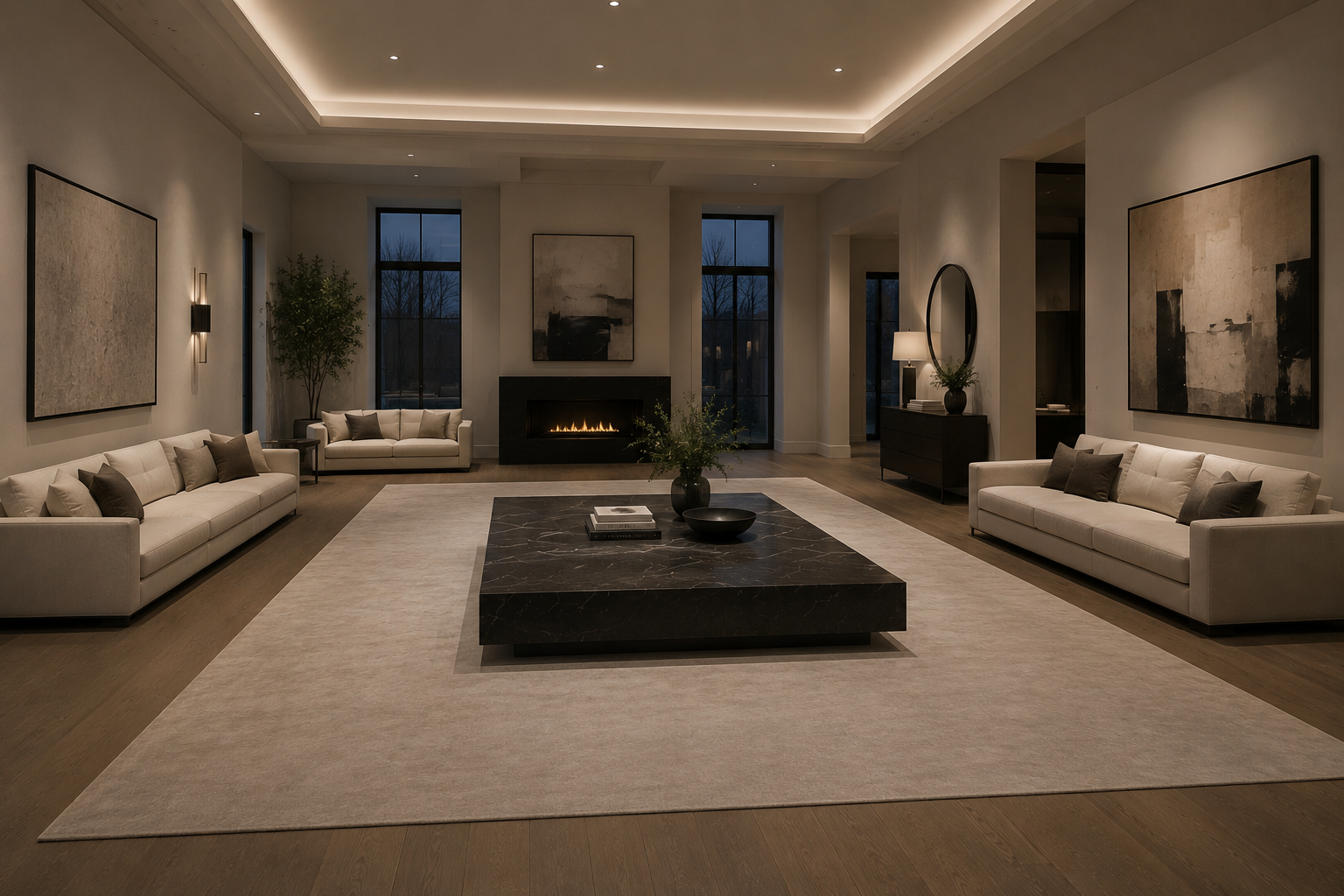
Beautiful isn’t always enough.
Image via AI
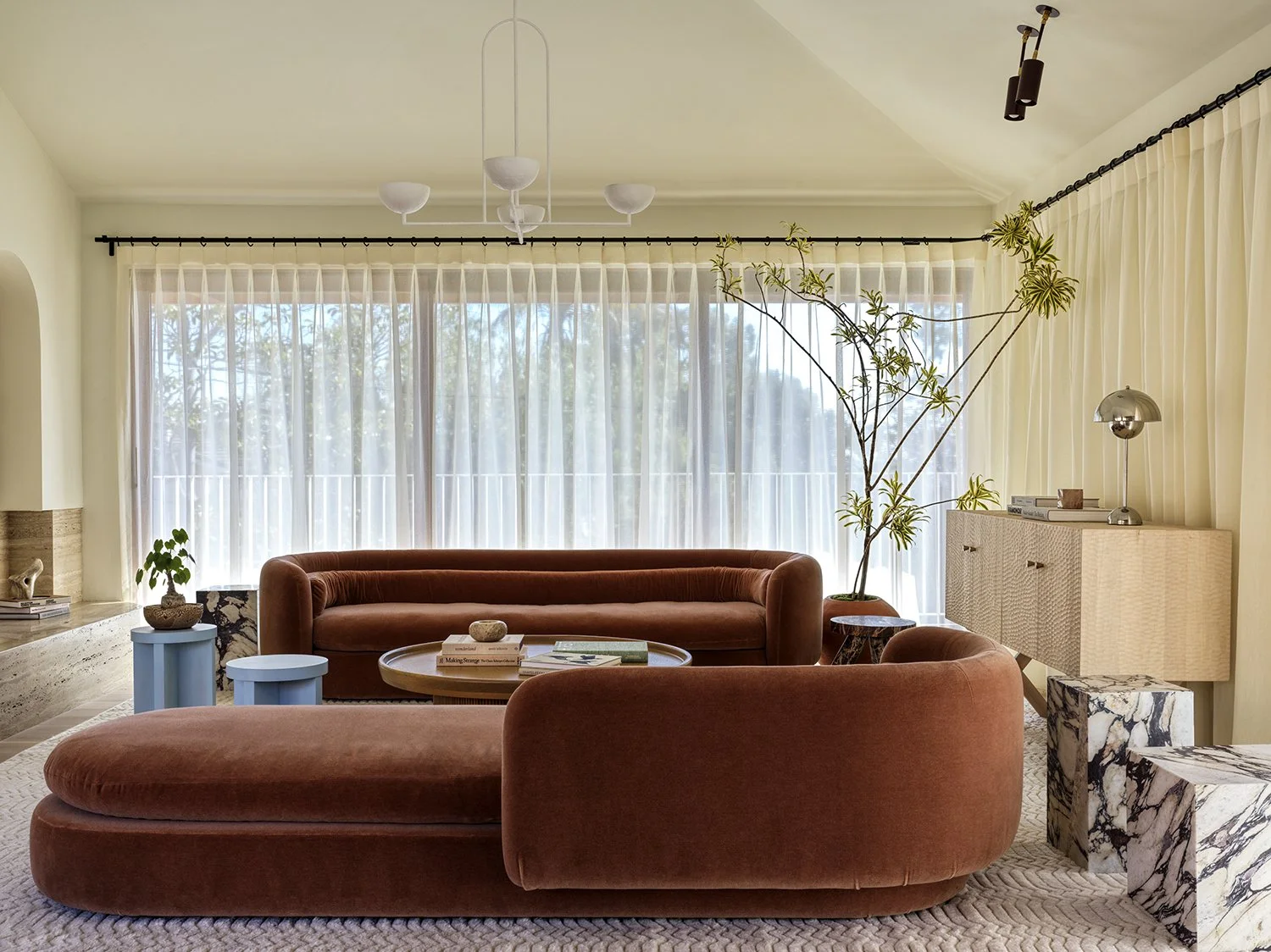
The room above isn’t successful because it’s beautiful. It’s successful because it feels effortless to use.
Design: AndAndAnd
Why We Keep Chasing the Hotel Feeling
Let’s be honest.
Most people have stayed in at least one hotel room and immediately thought:
“Why does this feel better than my actual house?”
And no, it’s not because there’s a tiny bottle of shampoo waiting for you in the bathroom.
The best hospitality spaces understand something many residential interiors still miss:
Aesthetic appeal is only half the job.
The spaces people remember most create a sensory experience.
Think about your favorite hotel.
Not the one that looked the best online.
The one you didn’t want to leave.
The lighting was flattering.
The bed was comfortable.
The room was quiet.
The materials felt good.
The air felt calm.
Nothing was screaming for attention.
Everything just worked.
Then there are the other hotels.
The ones with the stunning lobby, the gorgeous marble bathroom, and the room so cramped you have to perform a three-point turn with your suitcase just to get to the closet.
The vanity lighting makes you question every life decision you’ve ever made.
There’s nowhere to set a drink.
The HVAC sounds like it’s preparing for takeoff.
Beautiful?
Sure.
Relaxing?
Not exactly.
That’s because beautiful and comfortable are not the same thing.
The best hospitality spaces understand that people don’t just experience design visually.
They experience it through lighting, sound, texture, comfort, privacy, scale, and perhaps most importantly, ease.
The feeling that nothing in the room is fighting you.
Many people think they’re trying to recreate a hotel aesthetic at home. Not necessarily the aesthetic itself — the feeling.
They’re not.
They’re trying to recreate that moment when they walk into a space and immediately feel their shoulders drop.
That feeling of being taken care of.
That feeling of exhaling.
That feeling of wanting to stay a little longer.
The best spaces aren’t just visually beautiful, they make people want to linger.
And in a world where everyone is overstimulated and in a hurry, that’s a pretty powerful thing.
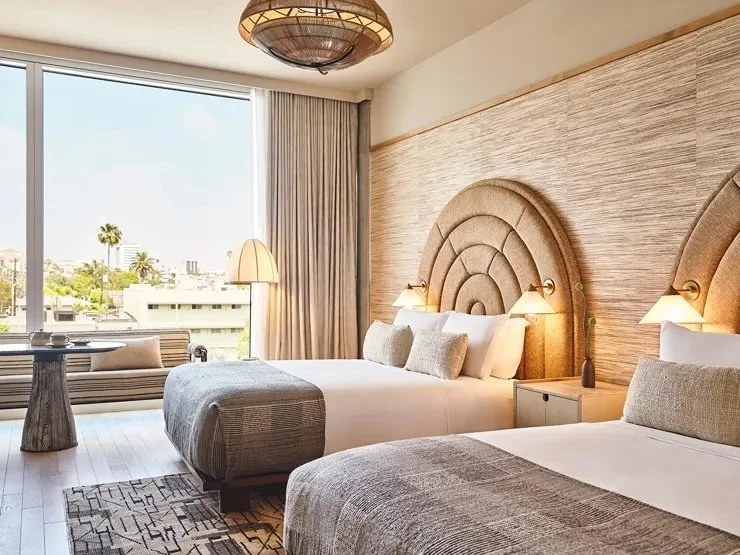
Santa Monica Proper Hotel via Design Hotels
See our previous blog post: Travel Talk: Santa Monica Proper Hotel
Obsessed is an understatement.
Why We’re Designing Around Well-Being
For years, luxury was largely visual.
A bigger kitchen.
A larger closet.
A statement chandelier.
A wine room nobody actually used.
Today, the conversation is shifting.
More homeowners are asking how they want a space to feel, not just how they want it to look.
And honestly? About time.
Because despite what social media might suggest, most people aren’t lying awake at night wishing they had a larger island. They’re wishing they slept better, felt less stressed, and weren’t completely depleted by the end of the day.
As a result, wellness-focused features such as infrared saunas, red light therapy, heated flooring, steam showers, circadian lighting, and dedicated wellness rooms are no longer reserved for spas, luxury hotels, and fitness clubs. They’re increasingly finding their way into residential and commercial projects alike.
Not because people suddenly became obsessed with saunas. Because people are exhausted.
Modern life is loud.
Our phones never stop buzzing.
Our screens never turn off.
Everyone wants our attention all the time.
For many people, home is becoming the counterbalance.
The place where they can recover from the outside world.
That doesn’t mean every home needs a cold plunge, a meditation room, and enough wellness gadgets to qualify as a boutique health retreat.
In fact, some of the most effective wellness-focused spaces are surprisingly simple — natural light, comfortable seating, softer acoustics, thoughtful lighting, or simply a place to sit quietly without being reminded of seventeen unfinished tasks.
The most successful wellness spaces don’t feel clinical, trendy, or like a futuristic biohacker laboratory.
They feel human.
Because wellness design isn’t really about the amenities.
It’s about creating an environment that supports the people living in it.
And increasingly, that may be one of the most meaningful forms of luxury there is.
When was the last time a chandelier lowered your cortisol levels? Although… the right light could definitely lower my cortisol 😂
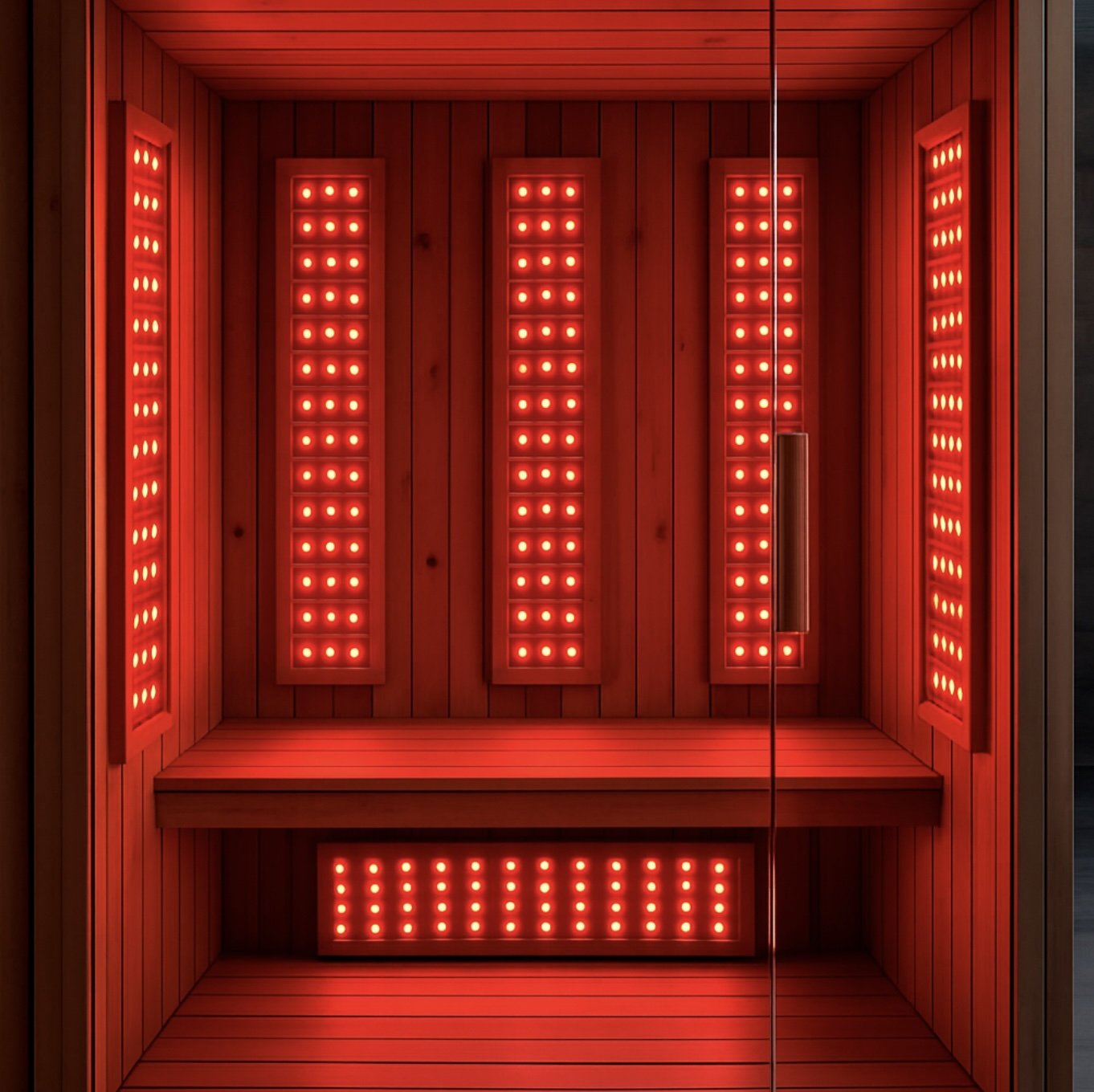
Recovery spaces are no longer reserved for luxury spas and wellness clubs. Increasingly, they’re being thoughtfully integrated into residential and hospitality environments alike.
Image via Pinterest

Wellness spaces have come a long way from looking like gym locker rooms. When thoughtfully integrated, they can feel just as architectural as any other room in the space.
Image via Sauna Cloud

A decade ago, the conversation was wine rooms. Today, it’s recovery rooms. That shift says a lot about where our priorities are headed.
Image via Nature’s Therapy

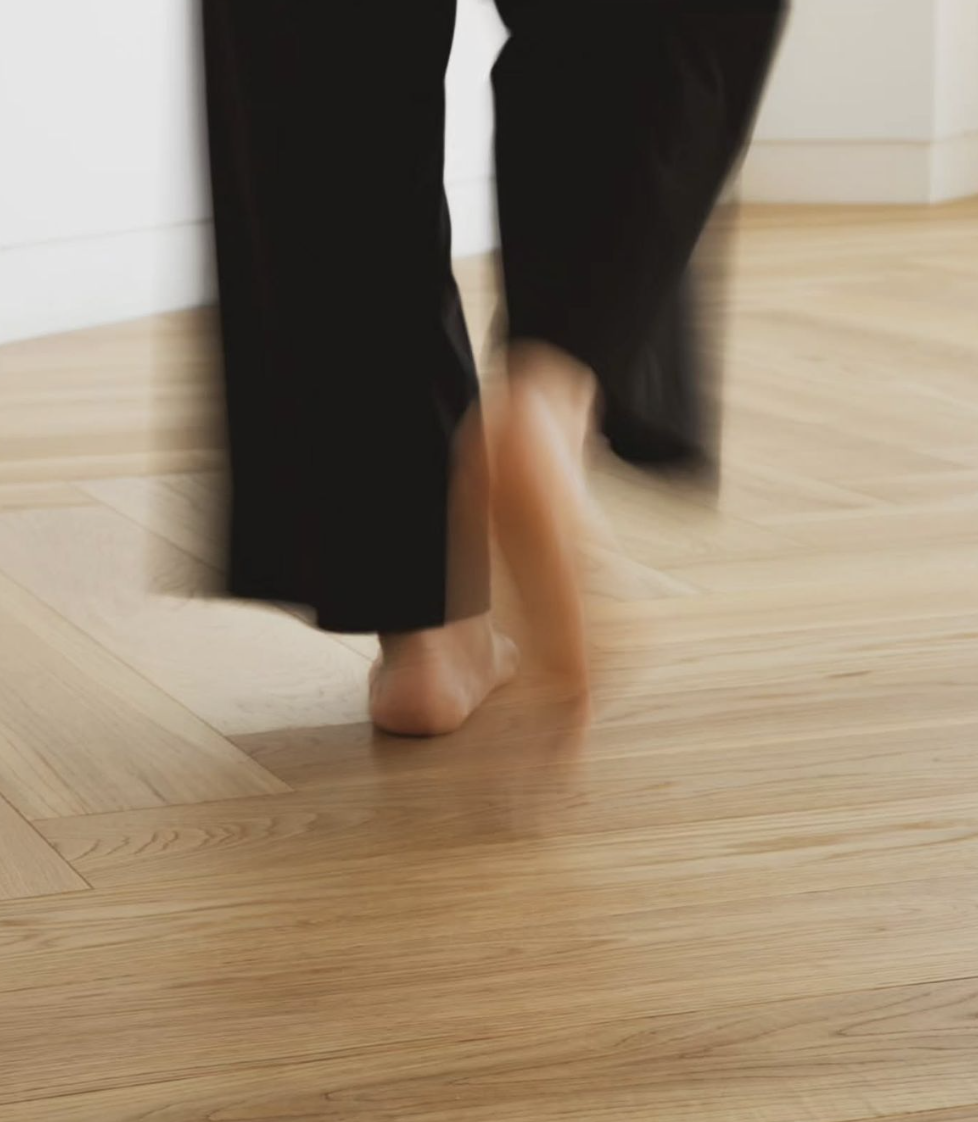
Radiant heated flooring is one of those features people rarely think about until they experience it, and then suddenly every cold floor feels personally offensive.
Images via Pinterest
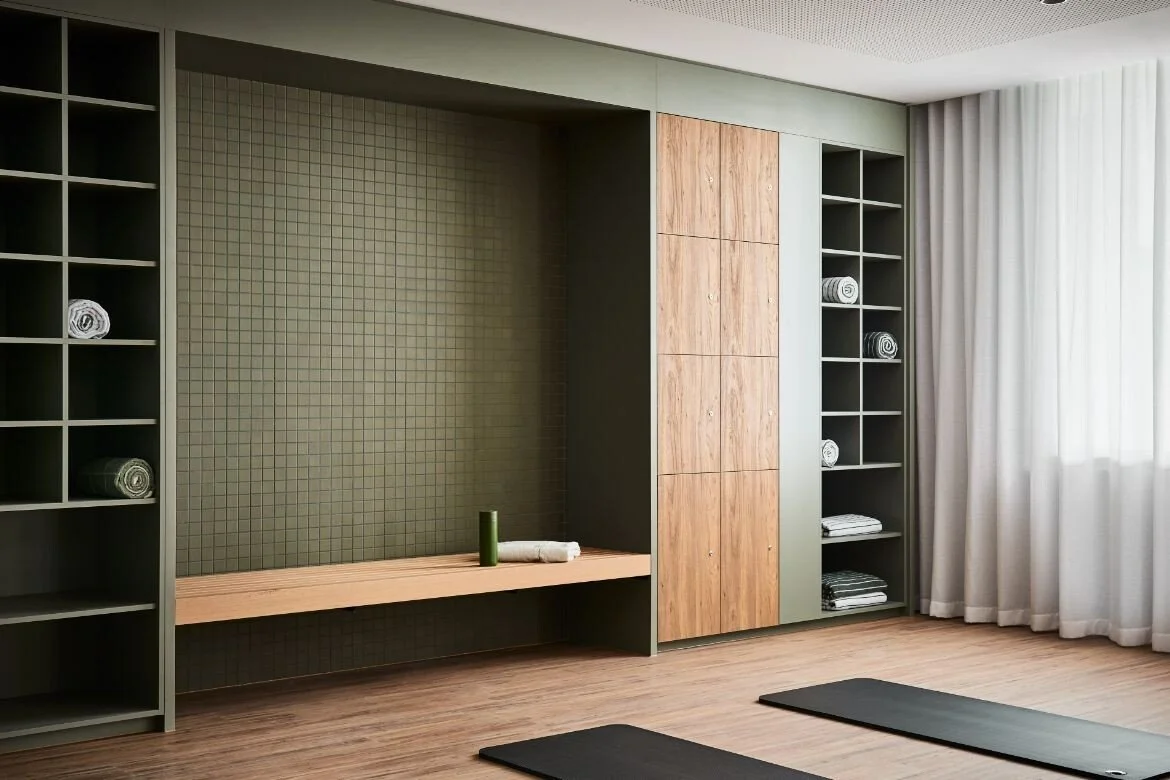
Sometimes the most restorative space is simply the room that allows the brain to exhale.
Image via Pinterest
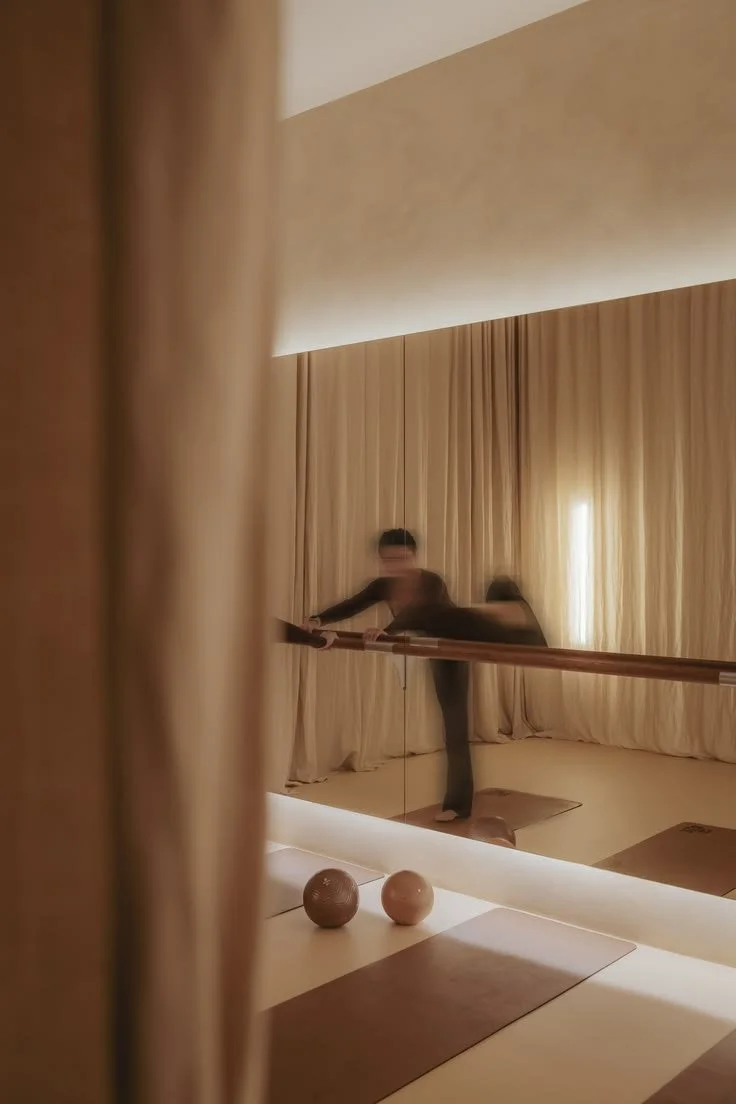
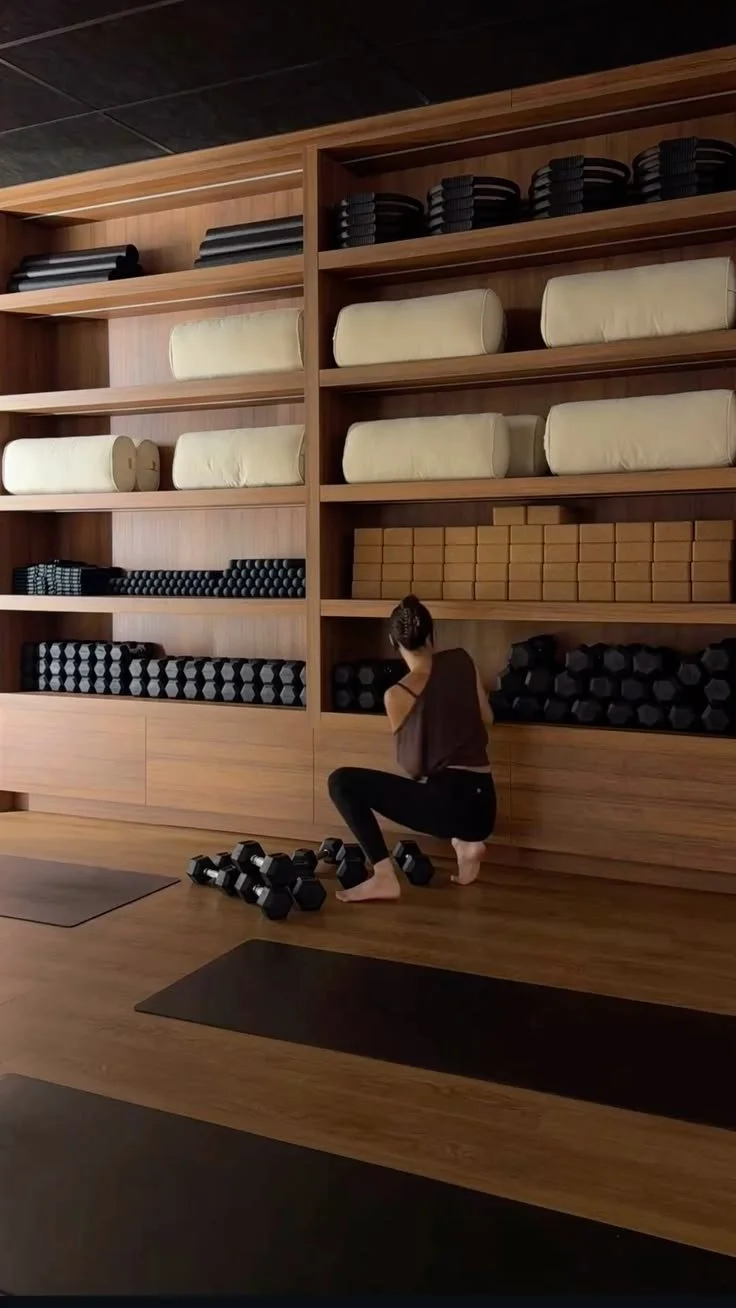
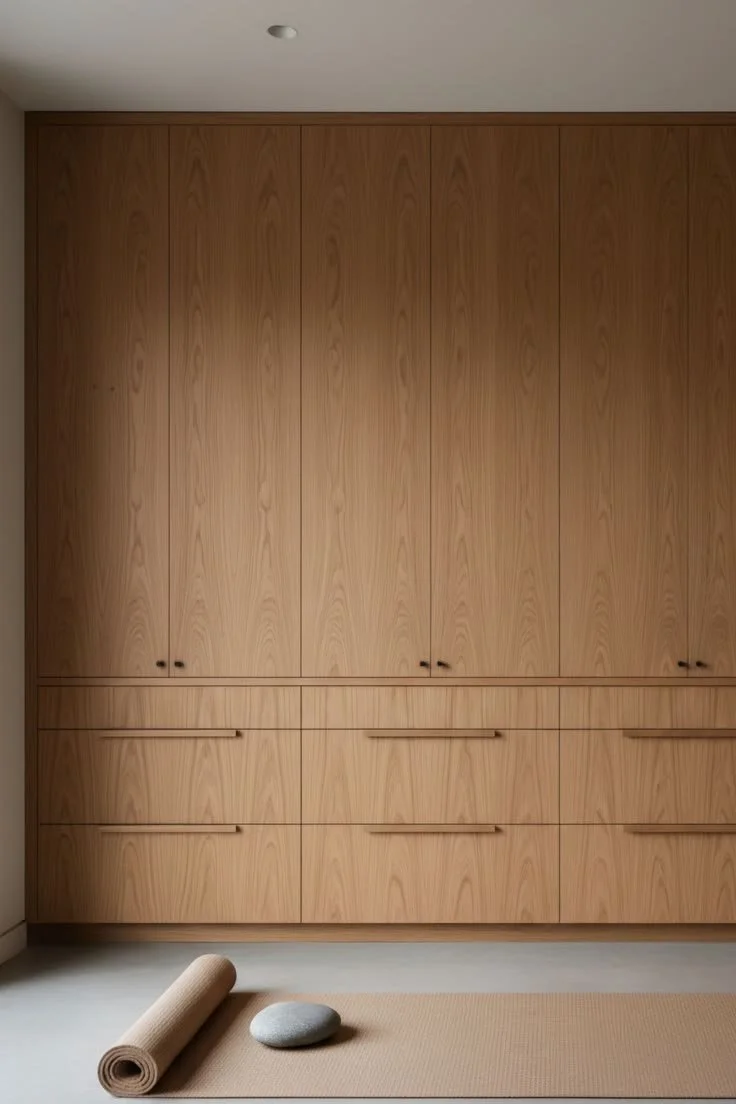
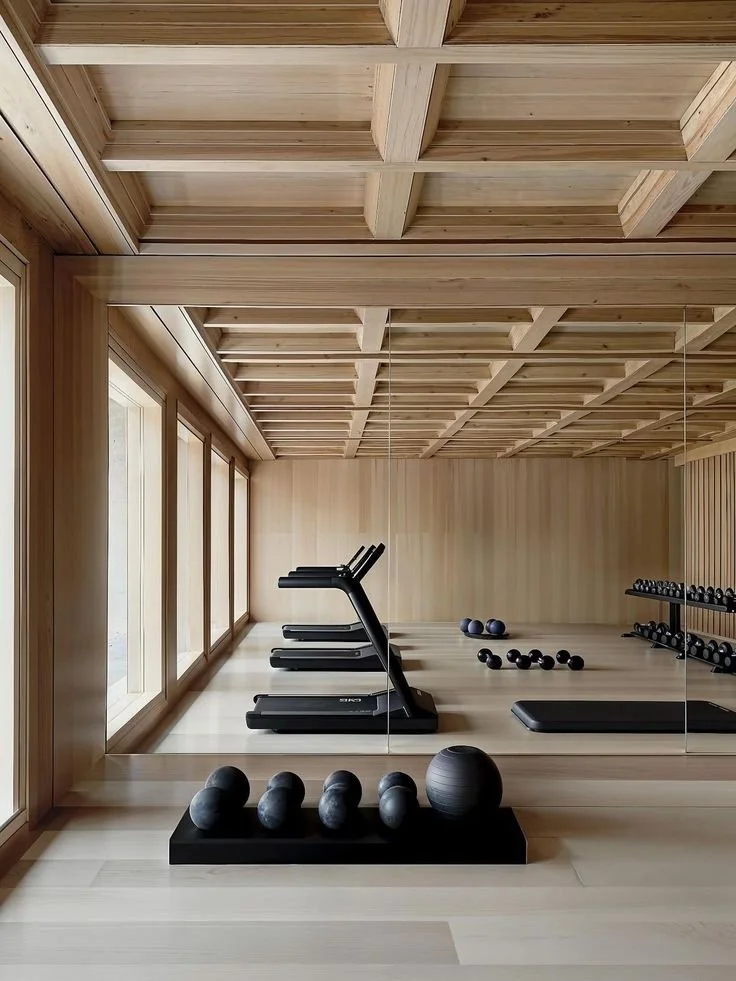
Images via Pinterest
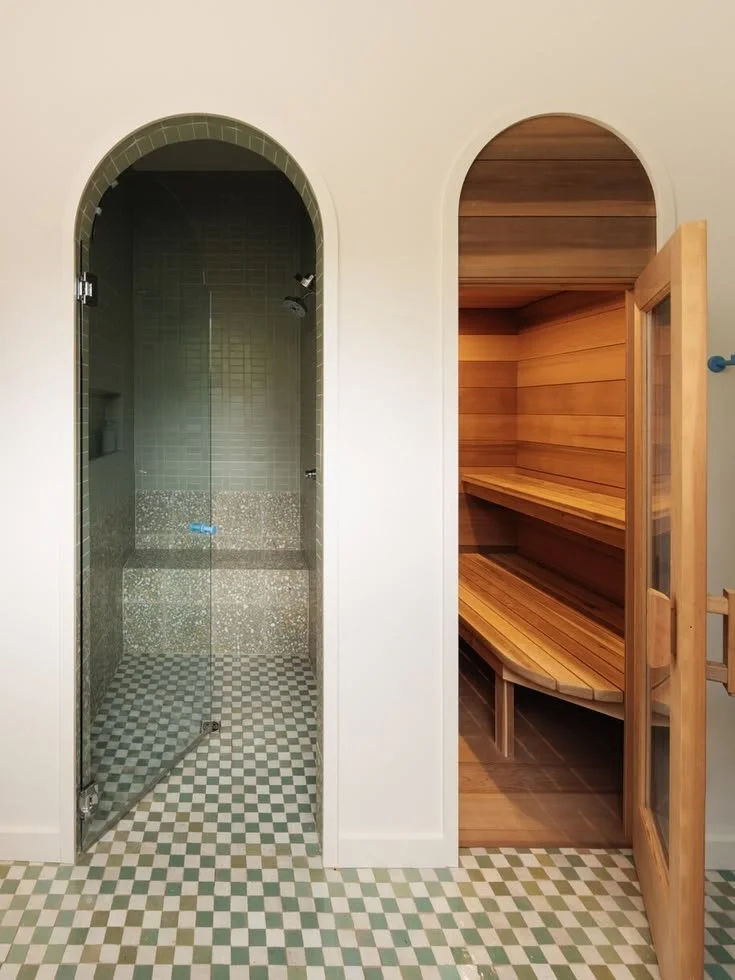
Design : KLH Custom Homes
FAQ
1. What is wellness-centered interior design?
Wellness-centered interior design focuses on creating environments that support physical comfort, emotional well-being, stress reduction, and overall quality of life through thoughtful planning, lighting, materials, acoustics, and functionality.
2. How does interior design affect mental health?
Interior environments can influence stress levels, focus, mood, sleep quality, and sensory regulation. Factors such as lighting, visual clutter, acoustics, privacy, layout, and material selection all contribute to how a space feels psychologically.
3. What wellness features are homeowners adding to modern homes?
Popular wellness-focused features include infrared saunas, heated floors, circadian lighting, steam showers, recovery spaces, yoga rooms, low-toxicity materials, acoustic enhancements, and improved air and water filtration systems.
4. Why do some homes feel stressful?
Homes can feel mentally exhausting due to overstimulation from poor lighting, visual clutter, noise, lack of privacy, dysfunctional layouts, or excessive sensory input throughout the space.
5. Are wellness-focused homes still luxurious?
Absolutely. In fact, many designers believe luxury is becoming less about excess and more about comfort, restoration, functionality, privacy, and overall quality of life.
Does your space feel as good as it looks?
If you’ve ever walked into your home, office, or business and felt like something was off, but couldn’t quite put your finger on it. You may not have a furniture problem. You may have a design problem.
Explore Studio Henree’s services or submit an inquiry to learn more.